Elements of Coolness

Last week I was preparing materials for my latest photo class, on Photo Composition. I included basics on Subject and Theme, Rule of Thirds, selective focus, leading lines, framing and all the stuff I’d learned over the years, reading “How to…” articles and photo books.
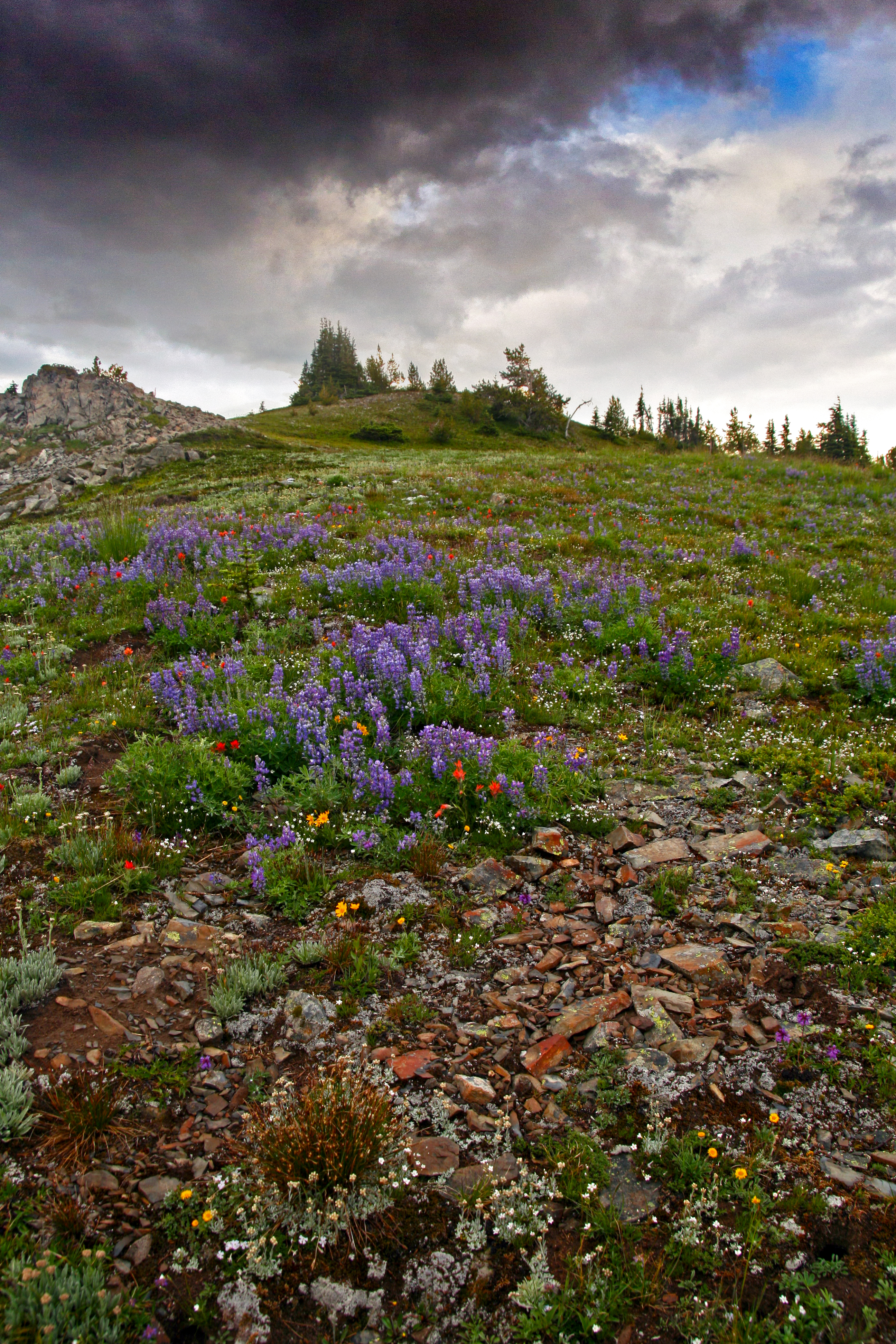
flowers and clouds 4
Then I started thinking about what I actually do, in real life, when I am out taking pictures.

And I realized that while I do utilize all these things, what I really do is to focus my attention on adding what I call Elements of Coolness.

Isolation Lake, Enchantments

Isolation Lake, Enchantments


Looking at pictures taken by other people I am often awestruck at the magnificence they managed to capture. And after a while I began to notice that the images I admired the most had one, or in many cases, more than one really awesome aspect to them.
tractor-and-sky-1m
Generally the more Elements of Coolness in the image, the more remarkable the image is. Photos with several stay imprinted in my brain.
Maple Pass Loop Storm em
What is an element of coolness? Well, a reflection adds a very cool aspect to a photo. Bright colors do it for me (I’m a Color Junkie). A wide view from high on a ridge, wildlife, an awesome sunset, fireworks, people doing crazy stuff, flowers, mountains, stars, hot air balloons, the moon, a stormy sky…all of these are Elements of Coolness.
Sequim Balloon Festival

Sequim Balloon Festival


July 4th Carnival

July 4th Carnival


Sunset on the Port Townsend Ferry

Sunset on the Port Townsend Ferry


North Cascades Mountain Goat

North Cascades Mountain Goat

So, when I am planning to head out to capture images I have (of course) a plan of what I am going to take pictures of, as in flowers, or mountains, or whatever. Mostly I am considering how I can add cool components to the shots. I await sunrise or sunset. I watch the skies and look for crazy clouds or weather. Water and reflections are a magnet for me. I get out there and scan for lines or patterns.

Samish River

Samish River

I plan outings based on the moon cycle, flowers blooming, trees changing, sun setting and stars shining.
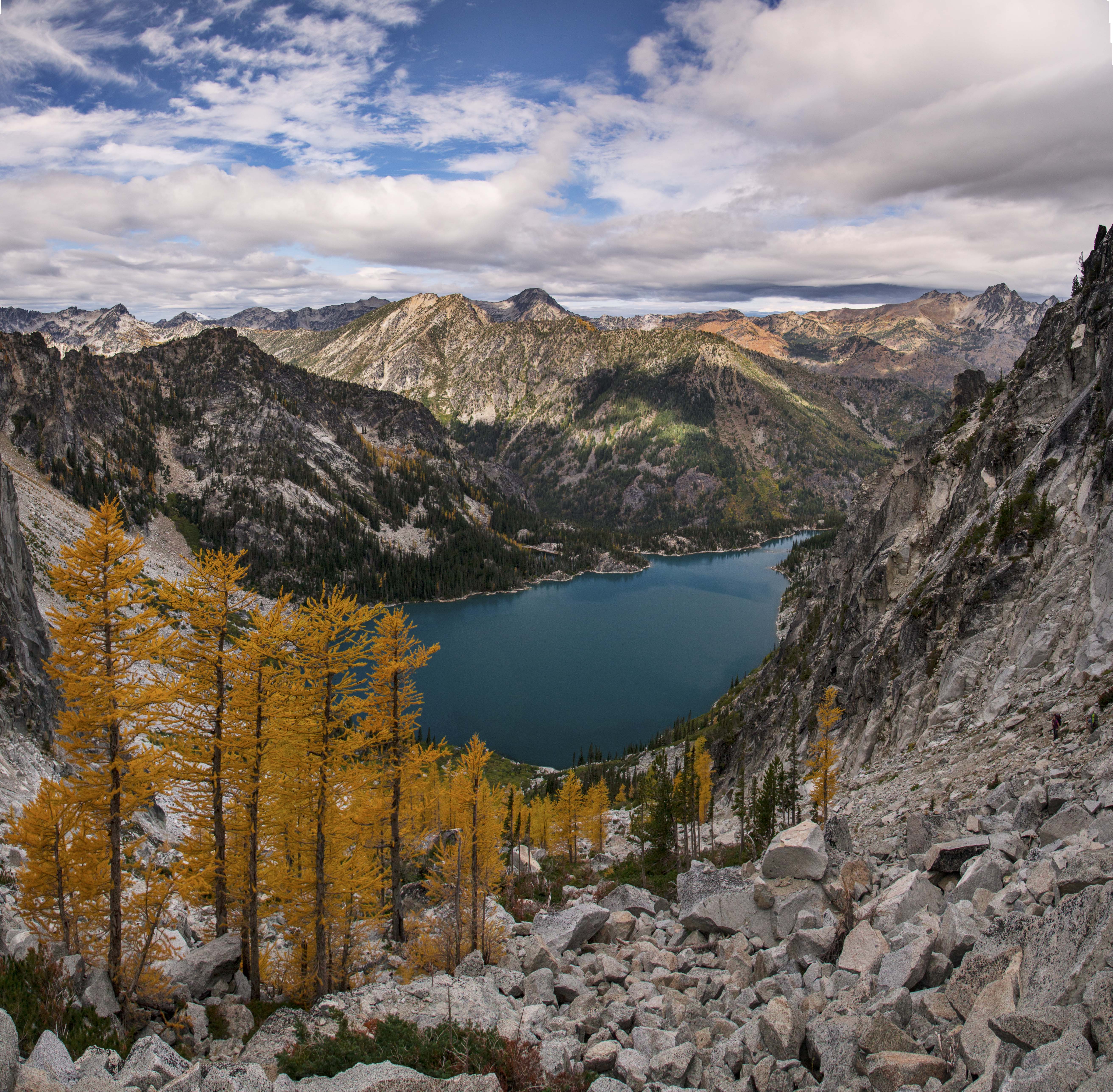
Colchuck Lake, Enchantments

Colchuck Lake, Enchantments


My goal is to add as many elements of coolness as I can to the image. Sometimes its luck, like when I visited Palouse Falls this spring and happened to choose a night when some intrepid soul had started a camp fire down in the basin at 1am!
Palouse Falls

Palouse Falls

But more often than not I am able to add coolness elements by going back several times. Once you’re at a place once you get a feel for the place. When you return you can even bring things with you, like more people, or a dog…or a photogenic tent.

Sahale Glacier Camp

Sahale Glacier Camp


I went to photograph lookout towers several times and had issues with illuminating the inside. A headlamp just wasn’t cutting it. So, on my latest trip I hauled a special flashlight that opened up and threw out a nice broad, softer light.
Park Butte Lookout and Mount Baker

Park Butte Lookout and Mount Baker


Next time you see an image that you fancy, count up how many elements of coolness there are. Sometimes there is only one, like a picture of the tulips, but when you start adding more elements, wow, the image really takes off.
Tulips at Sunrise

Tulips at Sunrise

Start a list of your own. Think in terms of how you can add cool elements. Work out learning new techniques for image capture (like nighttime shooting) so that your list is bigger. And Voila!, you will soon have cooler images of your own.

Sahale Camp Photomerge

Photomegre is one of the multitude of Photoshop Tools. It is a system of merging 2 or more images into a panorama.
Here are two original jpeg images from Sahale Glacier Camp. I took these with the thought in mind to later merge them. using a tripod I captured one image and carefully swung the camera on the tripod and lined up the second one. It wasn’t any fancy movement, I made note in my mind of where the frame’s edge was and pointed the camera in the approximate place to take up where the first image left off, planning for some overlap. I was using a 24 mm lens. I set my image quality when capturing the images so that I would have both a RAW file and a jpeg of the shots.
IMG_1468 em

IMG_1469 em

Once back home I opened both of the raw files together in Photoshop CS6 and synchronized them so that what ever changes I made to one were duplicated on the other. I worked to lighten the foreground and darken the sky. Using the sliders for highlights, shadows, exposure, clarity, whites and contrast I played around until I liked the result.

I also used the brush tool on the foreground to bring out more details on the rocks.

I saved the images as jpeg files. Here they are. sa 3em
sa 3_1em

Once this was done and images saved I went to Photomerge, selected the two modified images and let Photoshop work its magic. Untitled_Panorama 1201 em

Opening the panorama as a jpeg image I filled in the corners using the clone stamp tool and tweaked the levels settings a bit, and Viola! Here is the final image.

Sahale Glacier Camp, North Cascades National Park

I have printed the image as a 40″ x 15″ canvas print and it is very stunning.

Tips for Taking Great Trail Photos

Copper Ridge North Cascades

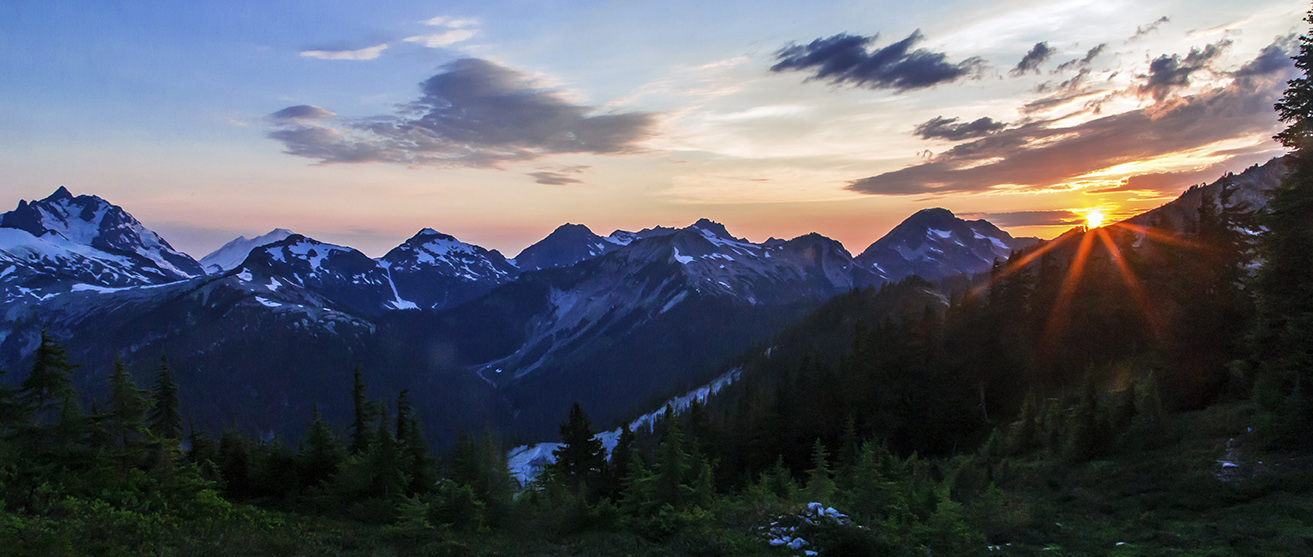
1. The best light is in the morning and evening. Day hikes get you to your destination in the middle of the day. Plan your campsites to include the most scenic places. This may involve longer or shorter days that you would normally do, but it’s all worth it! A guide book is good for descriptions, you can get many great ideas of what and when to shoot but if I’ve never been to an area before, I do an image search for the specific place and get ideas of what’s there. I plan my entire trip around where I want to be at sunrise and sunset to take pictures.

Mount Logan and waterfall North Cascades National Park

2. Minimum of what to bring with you:
a. One lens – I always bring a Zoom Lens, a 24mm to 104mm or a 28mm to 135mm are good starting spots. This makes it possible to capture a wide angle shot and also get in close with the telephoto end. Of course it’s nice to have several lenses, but then you have to carry them!
b. Polarizer – This is a filter that attaches to the end of your lens. It handles refracted light so that the sky and clouds look wonderful and is a must for getting stunning images of water and reflections.
c. Light weight tripod, they are cheap and easy to strap on your pack. You can always weigh them down if needed
d. Simple cable release. When you use the tripod any movement of the camera makes the image blurry. This device allows take pictures without touching the camera.
e. Extra batteries, charged the night before you leave!
f. Lots of memory! Its cheap and doesn’t weigh anything

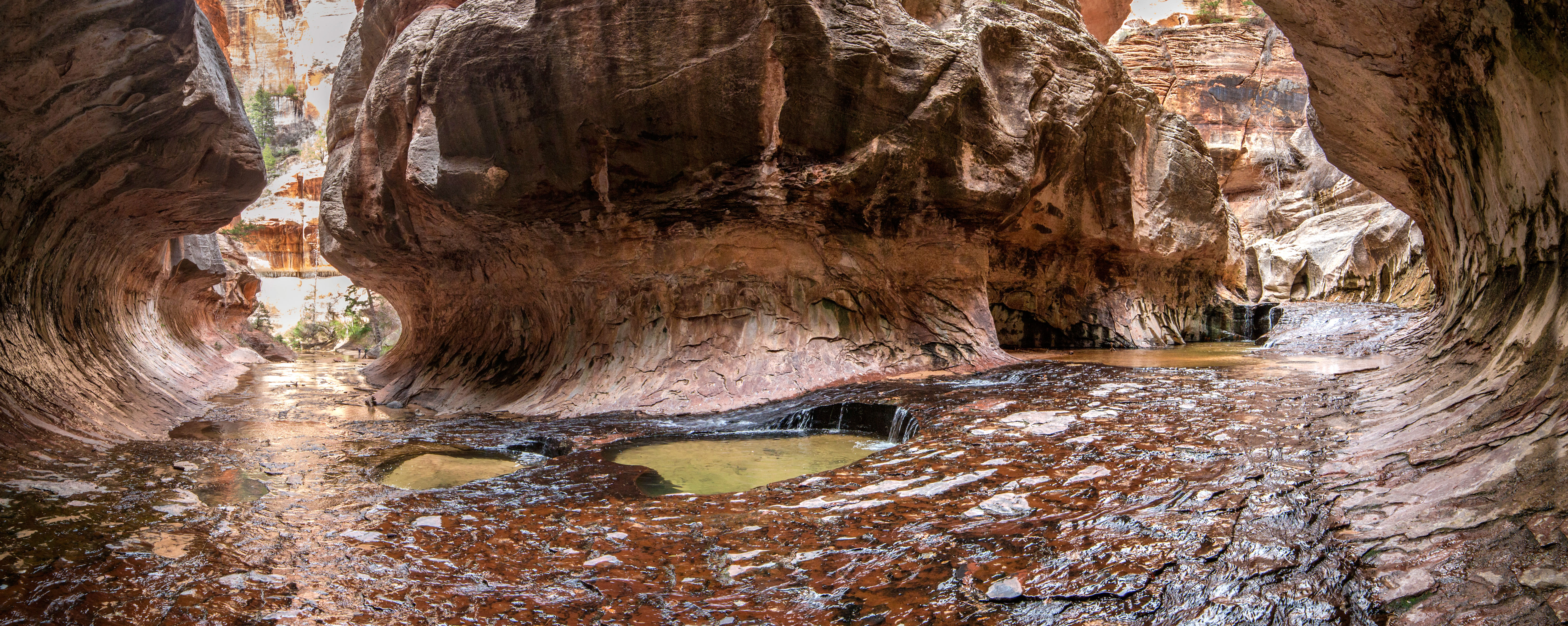
Left Fork Canyon, the Subway at Zion National Park, Utah

3. Avoid the auto mode for image capture. When you set the camera on automatic mode, the camera does all the thinking for you. You are a lot smarter than your camera! Instead use the Manual Mode on your camera or the various Creative Modes if there is no Manual setting.

Zion River and Orion

4. Bracket your exposure. Bracketing means that you are capturing the same exact scene, but with different settings. This could include altering your depth of field (how much of the scene is in focus) or how bright or dark the image is. Scenes often have a great disparity between the dark areas and the bright ones. Try multiple shots, where you capture the details of one then the other.
a. Using the manual mode, set your aperture and shutter speed based on what the light meter tells you, THEN take several more shots of the same thing with slightly different exposures. If you have a manual setting, simply shoot over and under the recommended exposure.
b. If you are using a creative mode you can “trick” the light meter by pointing the camera a little bit above (or below or right or left) your intended subject, press the button half way, hold it, then lower or raise the camera back to your start spot and press the shutter the rest of the way.

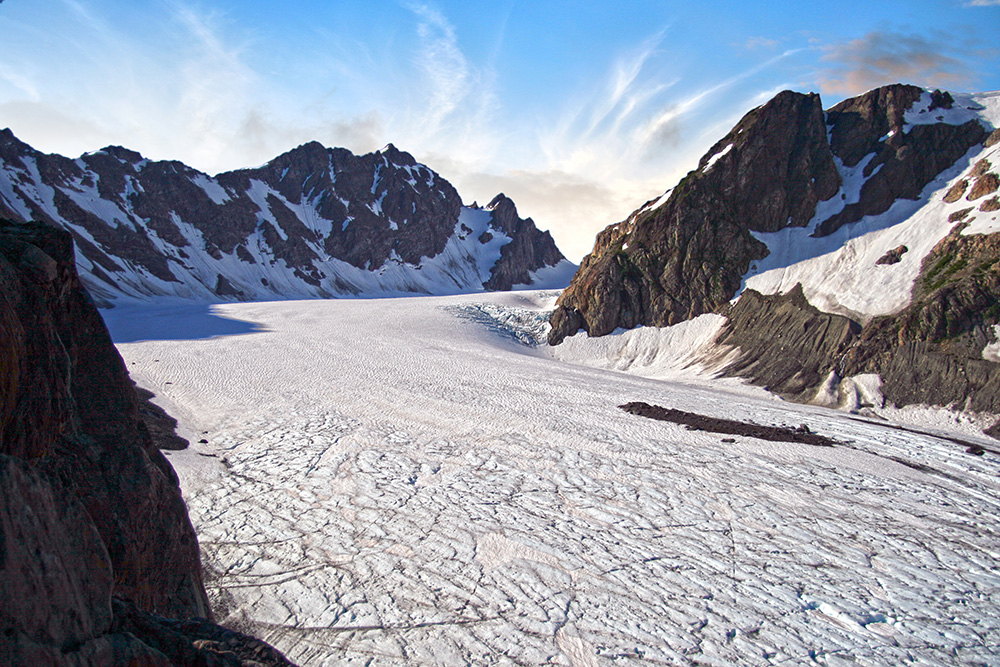
Mount Olympus and Blue Glacier Image 5

5. Shoot in the RAW format. JPEG format compresses (and looses data from) the images, where as RAW records all the data and allows you to handle areas of over or under-exposure. It took a lot of effort to haul all your gear out there, not to mention yourself! The scenery is fantastic, the weather is perfect, who knows if you will ever have a chance to return…so shoot in RAW!

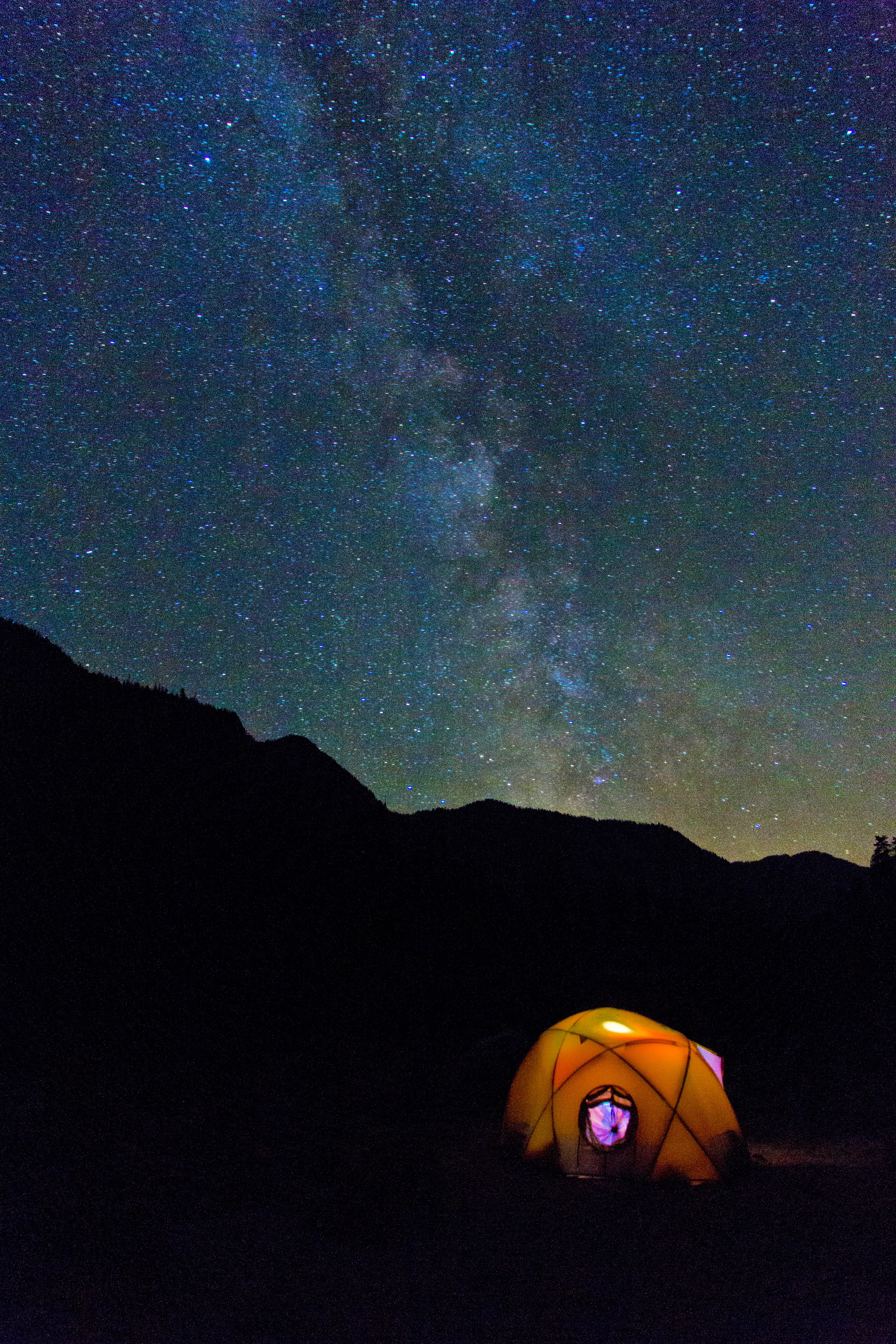
Camping-under-the-stars-NCNP

6. Four simple tips on Composition
a. The Rule of Thirds. Imagine a tic-tac-toe grid over your image. Try to get your subject on these lines, away from the middle. Get points of interest where the lines intersect.

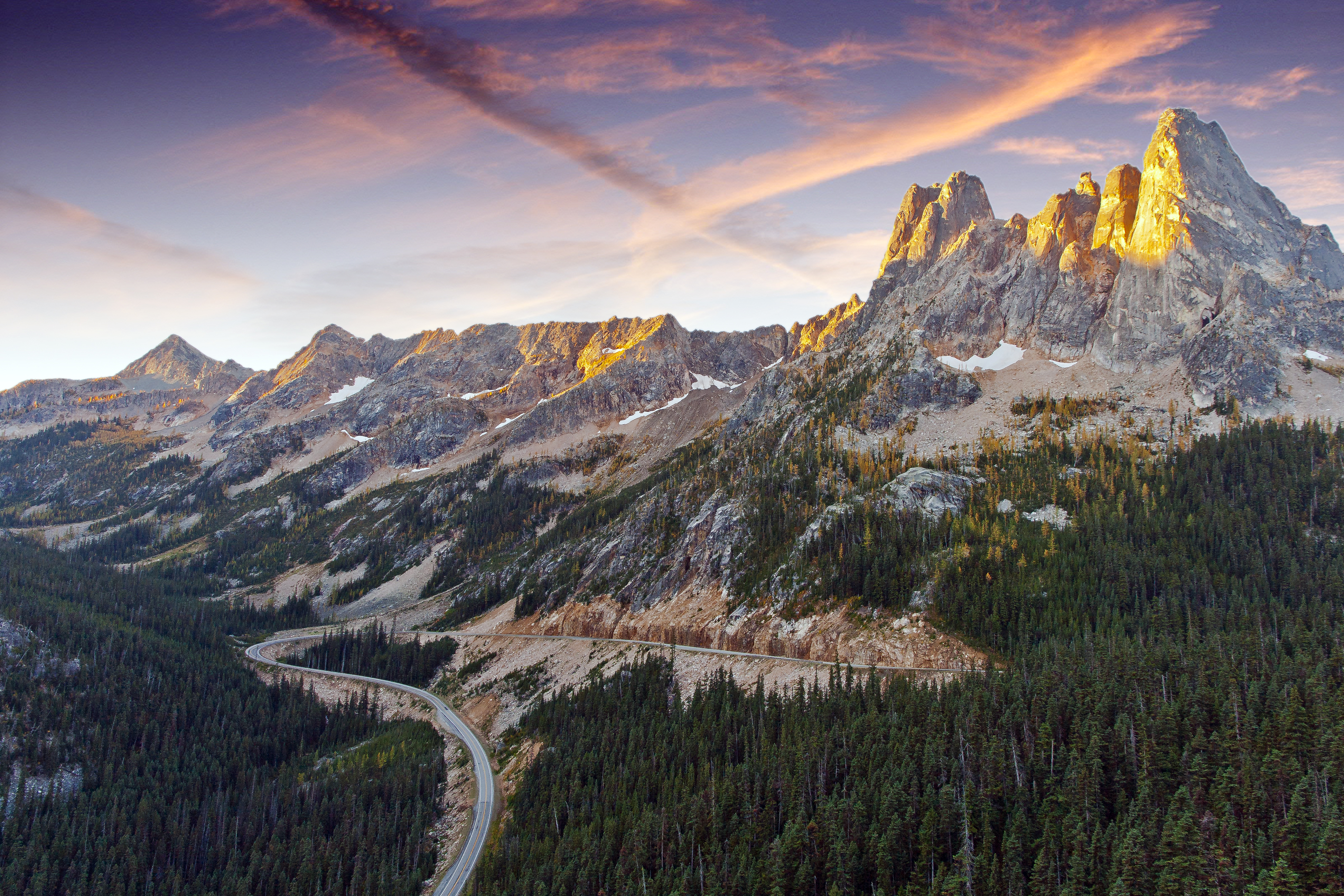
Liberty Bell from North Cascades Highway

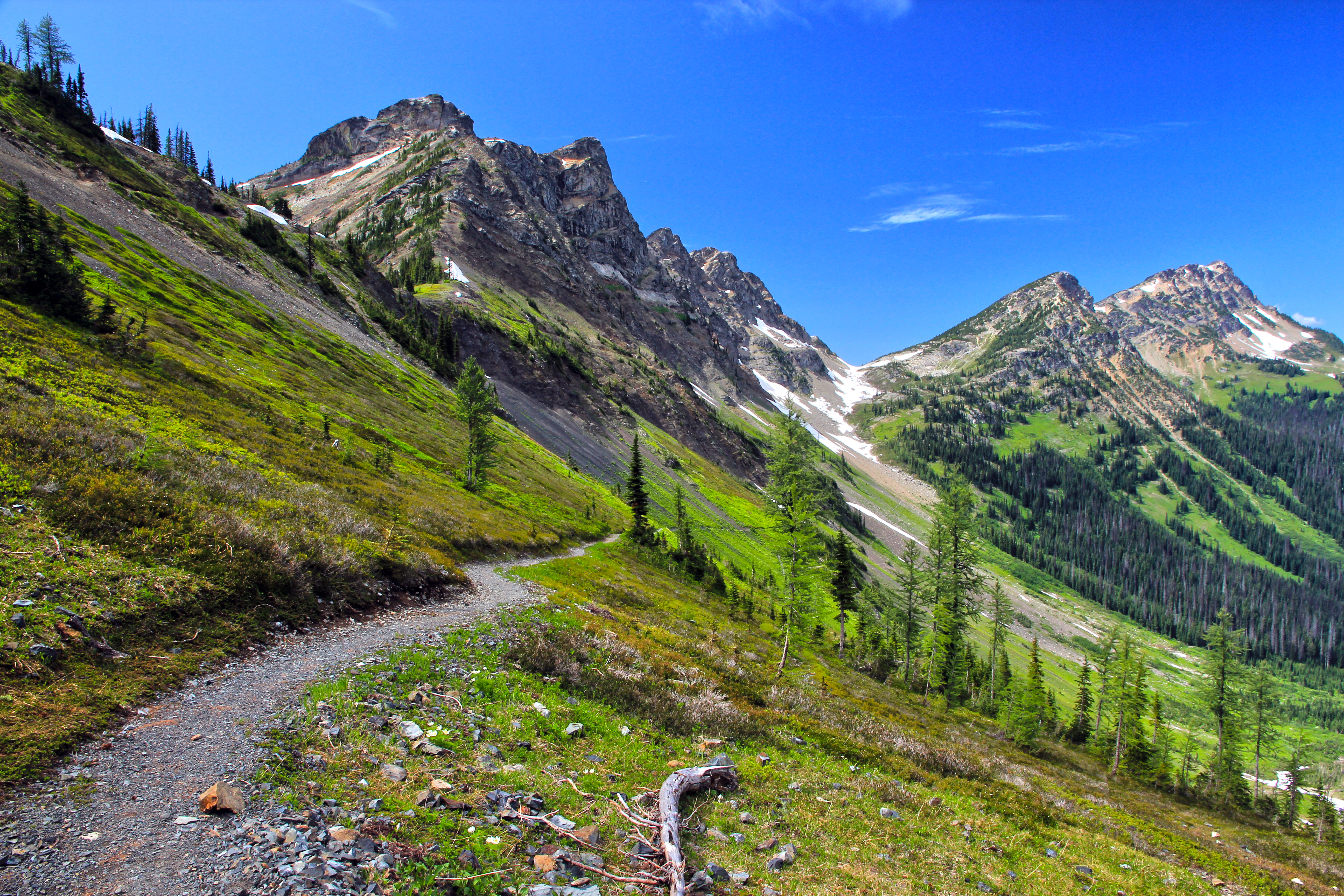
b. Look for lines. Trails, clouds, trees, and more can create leading lines that add a wonderfully simple and compelling element to images. When you see a line anywhere walk all around it composing shots from different angles.

Arriving at Copper Ridge Lookout North Cascades National Park

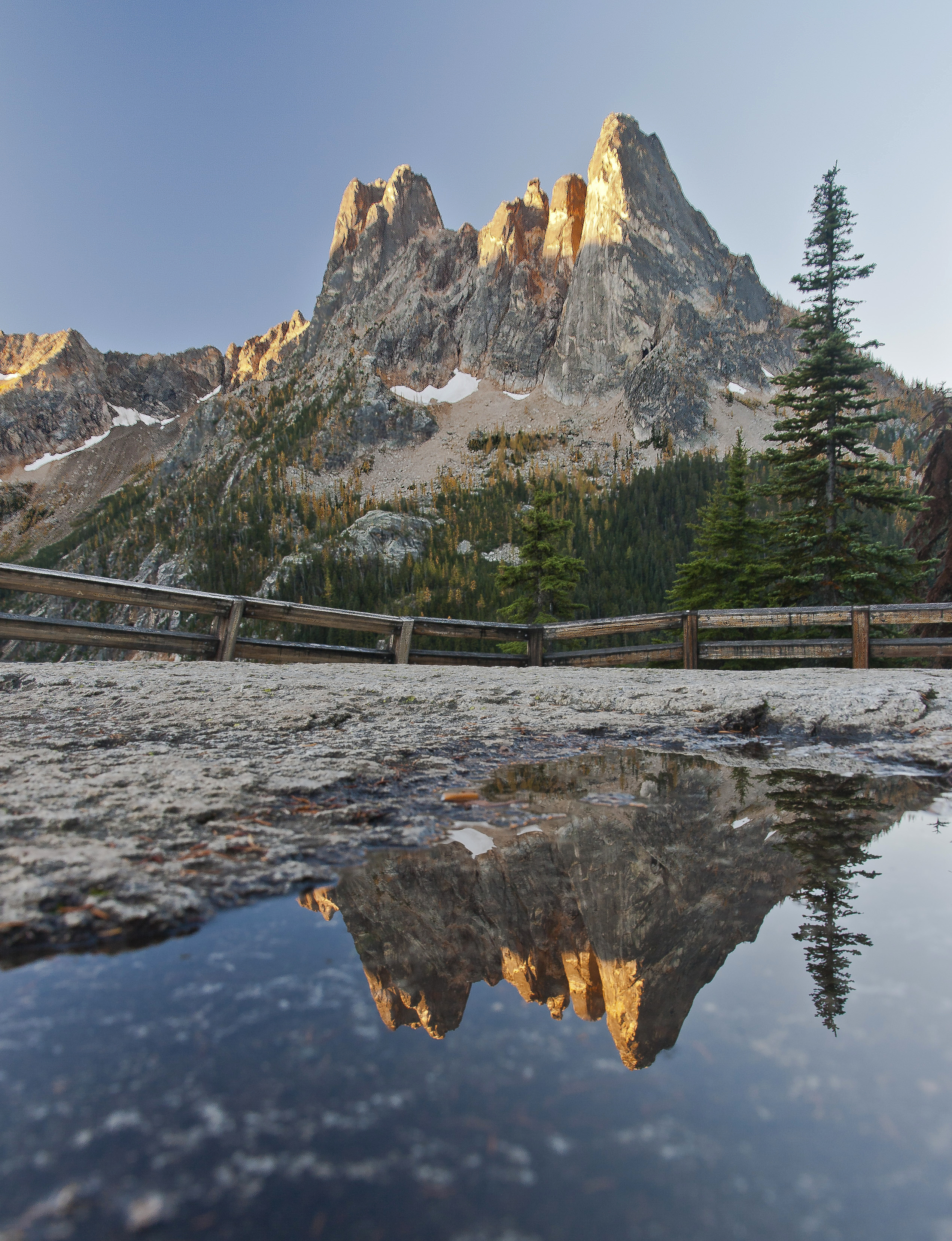
c. Reflections. Even a small puddle can make for a fantastic reflective composition. Get down on the ground for the best scope.

AndyPorter_Shuksan_Landscape
Liberty Bell Reflected from the Washington Pass Overlook, Highway 20, North Cascades Highway

d. Near and Far. Pictures of an unbelievably awesome horizon will be 1,000 times better if you include something close. A tent, people, trees, flowers, any and all of these make a vista much more interesting.

Morning at Sahale Glacier Camp

Using Lines in Landscape Imaging

When composing a landscape shot there are many cool things to look for: a dramatic sky, any sort of reflection, a near and far effect and any lines which can pull the viewer into and around or through the image.

Lines present themselves with surprising regularity. I have not mastered the use of lines yet, by any stretch, but I love working to incorporate them into my compositions.

As I do a lot of backpacking and hiking trails are an often used line…
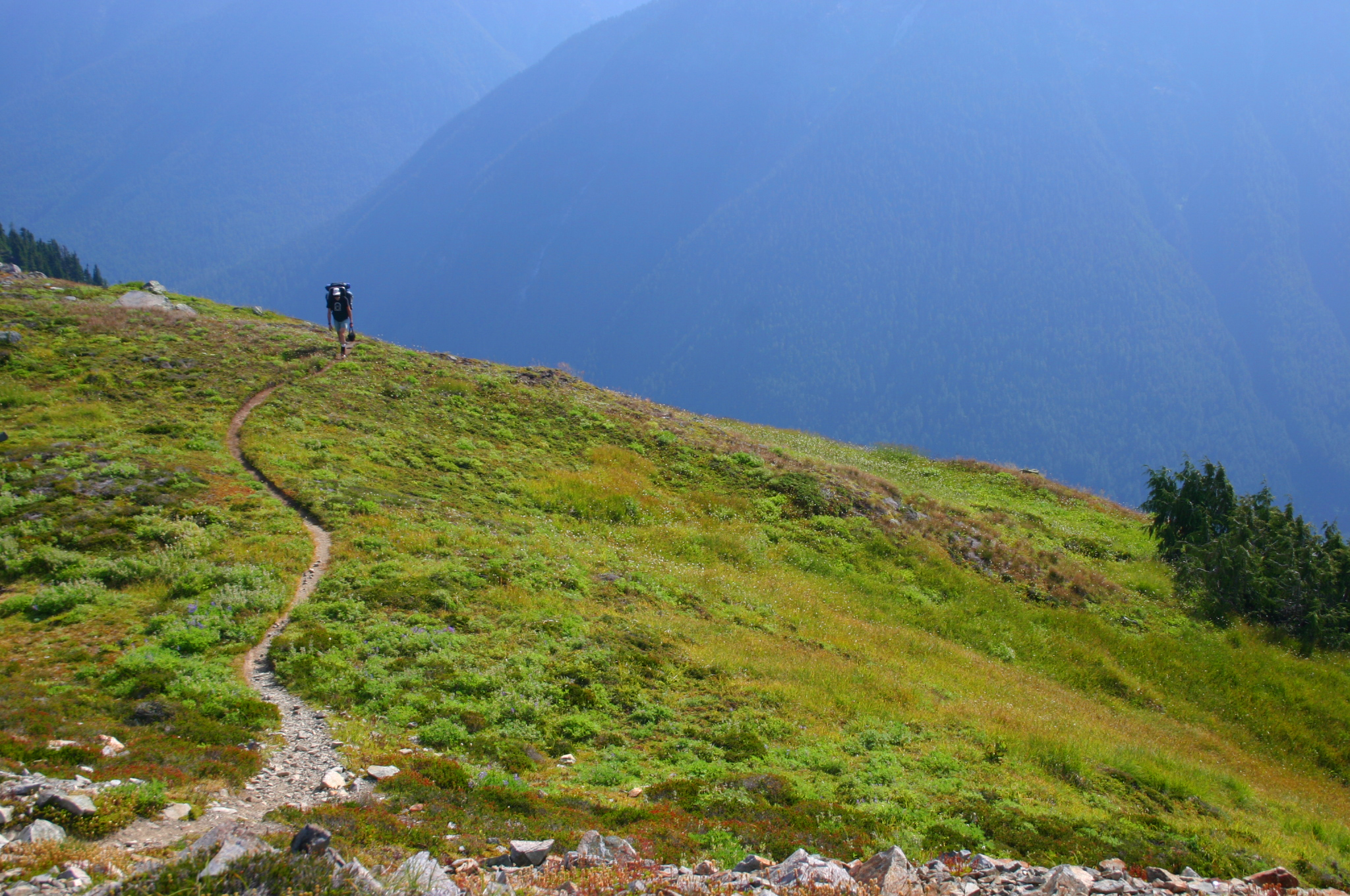
Andyporter_ Sahale hiker 2

Arriving at Copper Ridge Lookout North Cascades National Park

It seems to me that the zig-zaggy lines work better then the straight ones…
cr 4em

The image below benefits from a diagonal line originating at the lower left corner.
Ascending Rock Pass

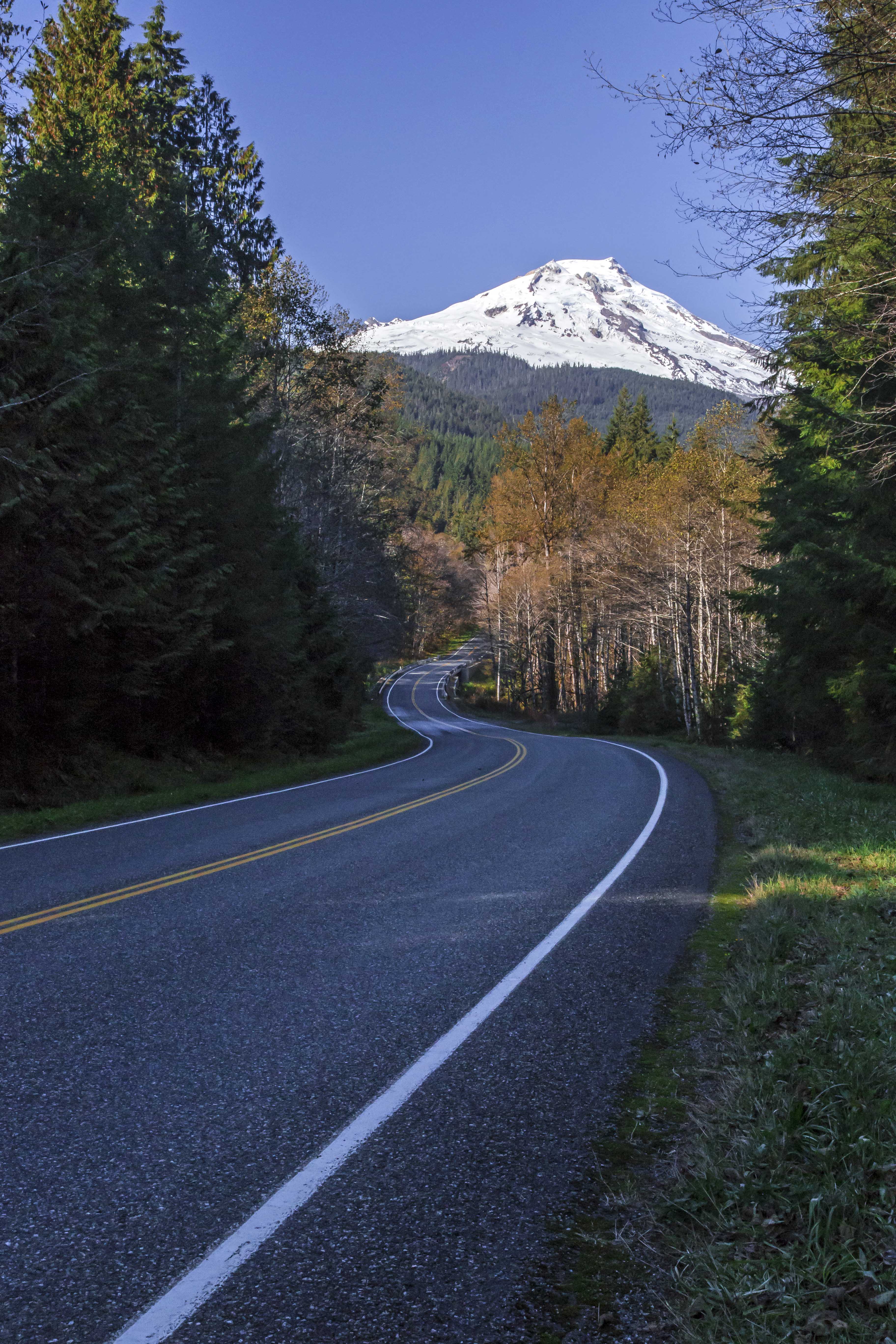
Of course roads already have lines painted on them and make a simple target! mount baker road em

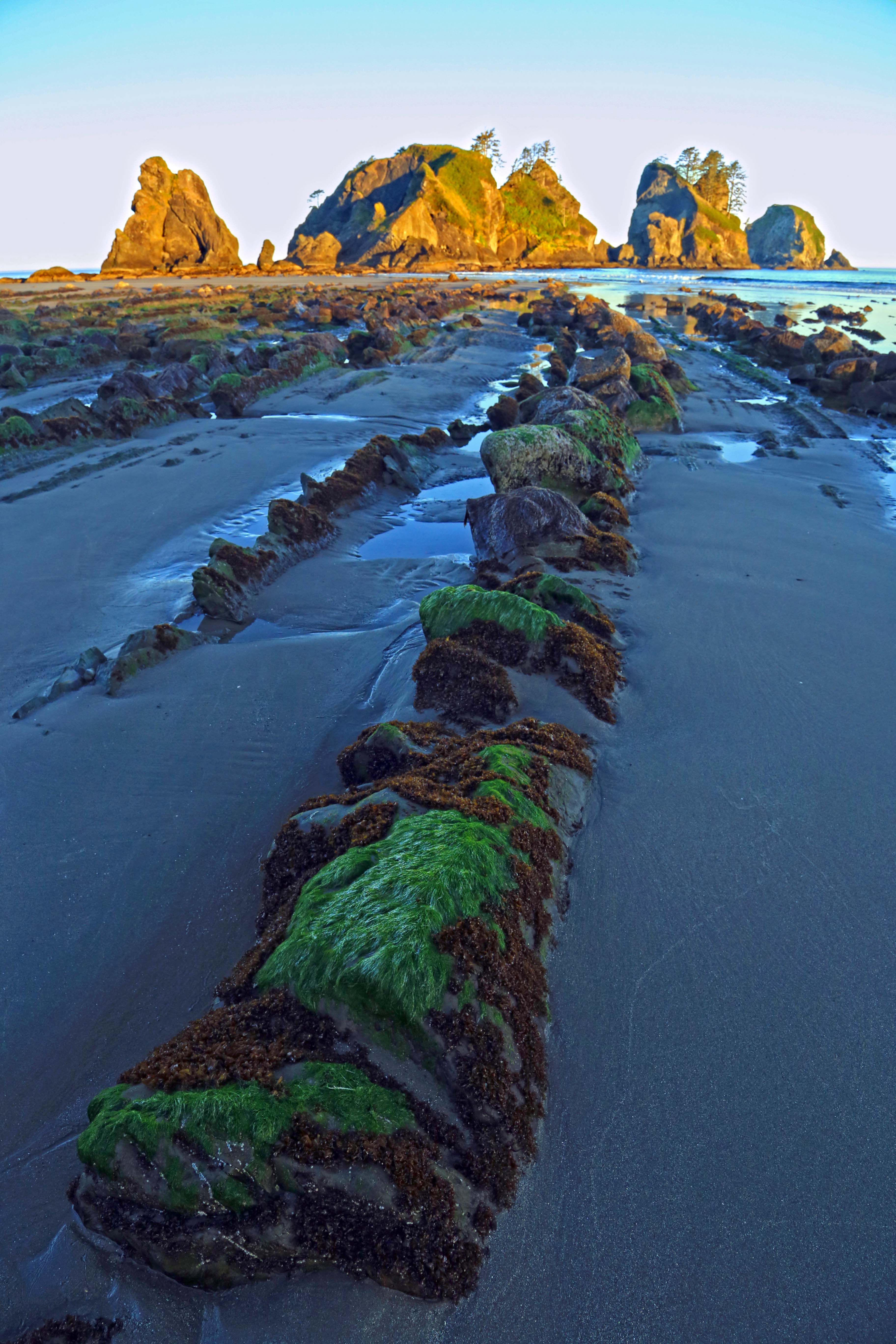
Here mud and stone provide lines into the light…
lines into the sunset

Sunset 6, Point of the Arches, Olympic National Park

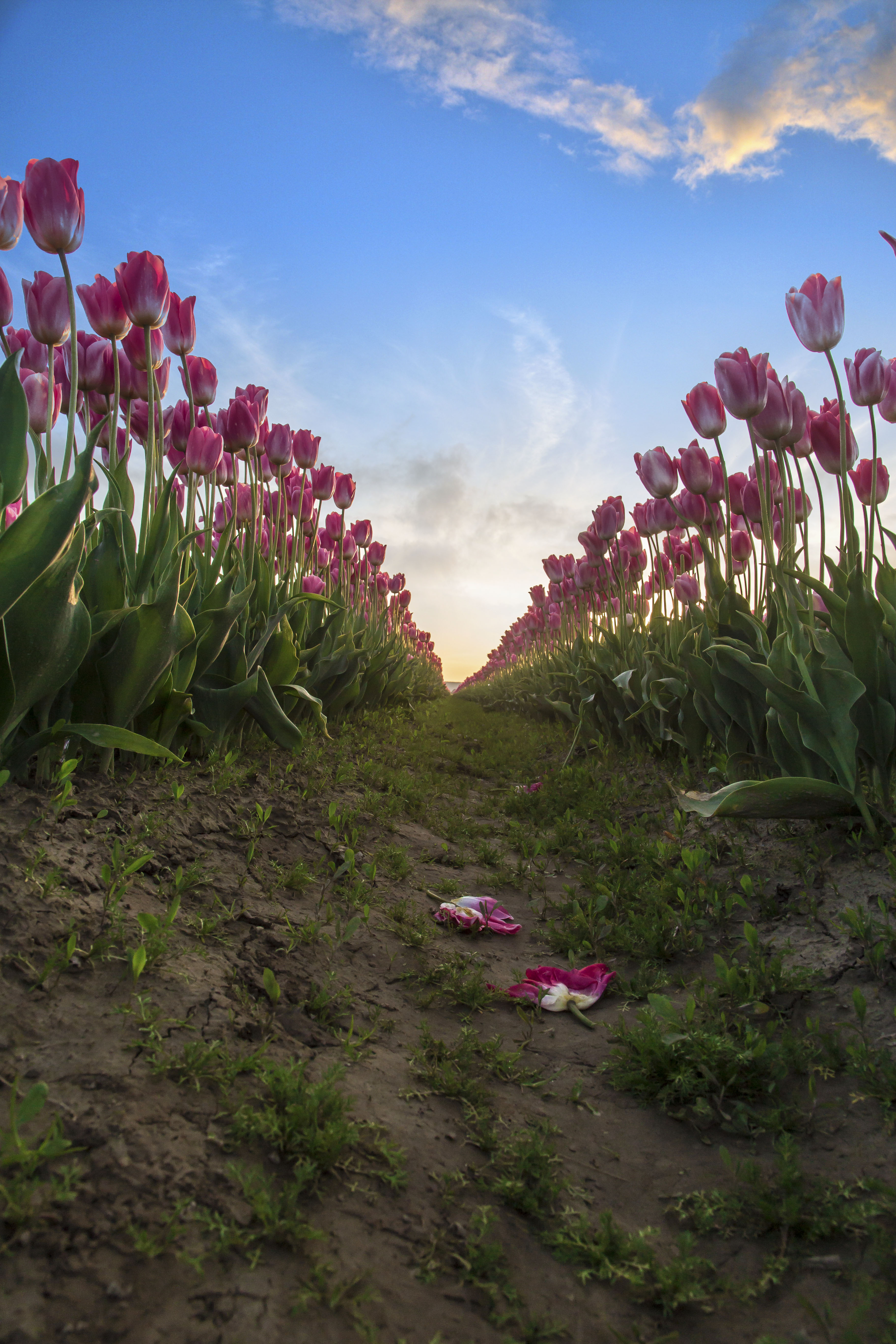
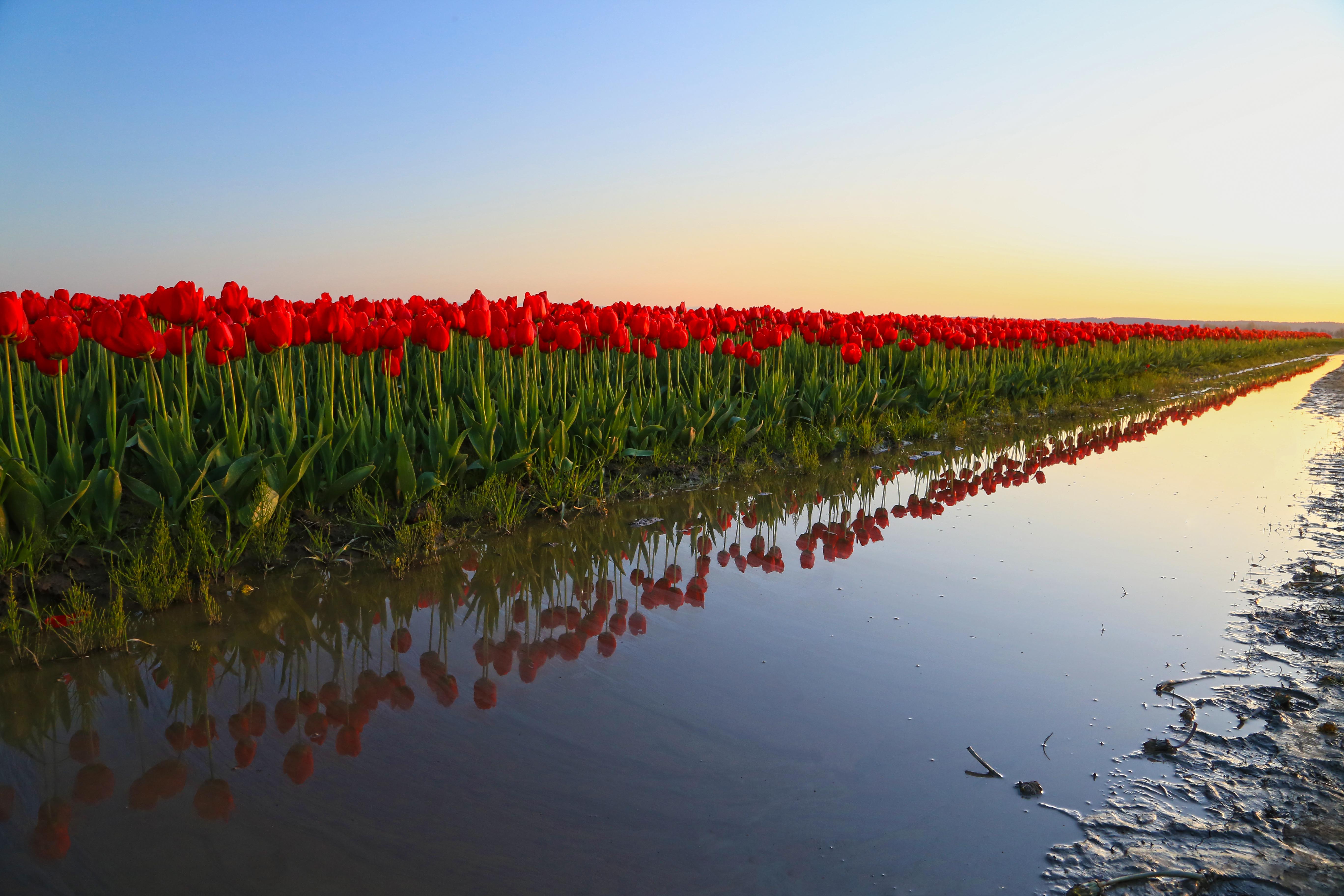
During Tulip Festival the opportunities for capturing lines amongst the rows is endless.
infinite pinks em

reds reflected em

Straight…
poa 1em

or curved…
Skagit Valley from Sauk Mountain

lines add a powerful dimension to any image!

Here is a link to the next series of classes! Look for a Photoshop Class Coming soon!

Capturing and Manipulating Images in the RAW format

I am probably preaching to the choir here, but if you are not capturing your images in the RAW format you are really missing out.

For some years I set my camera to capture the largest JPEG file available and modified the images in Photoshop. I learned many cool techniques for selecting and altering the color, tone, contrast and more of these JPEG images.

About 2 years ago I changed my camera settings so that the images are captured as both JPEGs and RAW.

Since then I have studied how to make alterations to the RAW images and the difference is astounding. I found that when you start with a RAW image that you can make alterations to your shot so much easier.

Photoshop CS6 offers a simple set of controls for RAW images, modifying the lens distortion is an easy fix. Saturation also becomes SO much easier to alter, in the RAW format you can selectively change the saturation, brightness or tone of one color at a time.

Here is an example: This first image is the original shot.
IMG_1395

This second image was modified as a RAW image in CS6.
IMG_1395 as Smart Object-1em

Here is another shot. First the original,
IMG_2166

then the altered RAW shot.
pumpkins 7em
Have a close look at the boards on the barn, and the sky. There is no way that I could have made these changes as clearly and quickly if I started with a JPEG shot.

Without a doubt start to capture in the RAW format now. Even if you don’t currently have the software to alter images in the RAW format, do it anyway! Some day you will have the ability (software, time, interest, etc) to work with the RAW images and you will be most happy that you shot in RAW!!!