These three images of Mount Rainier were captured while hiking along the Lily Basin Trail in the Goat Rocks Wilderness. The lake with the small island is called Packwood Lake.
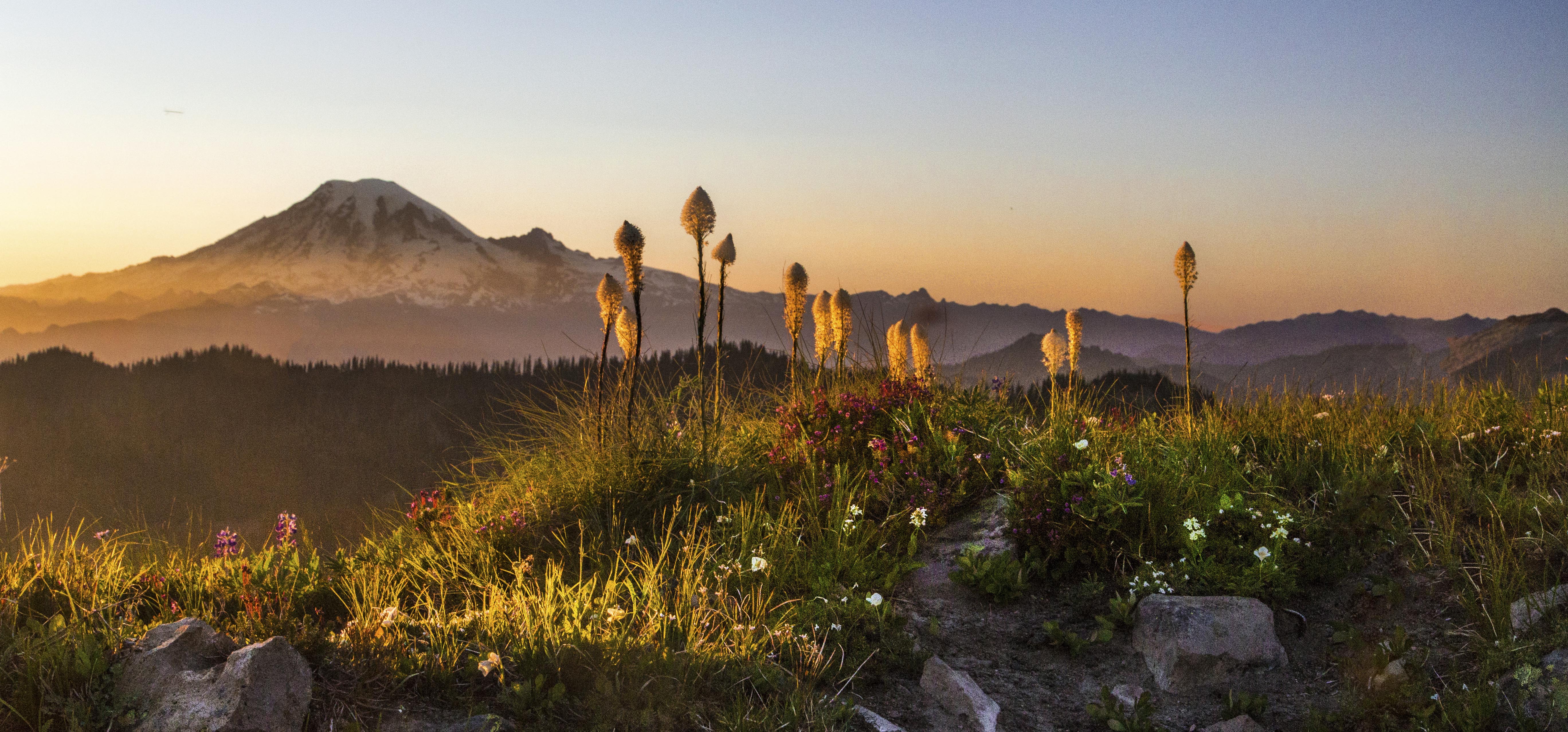
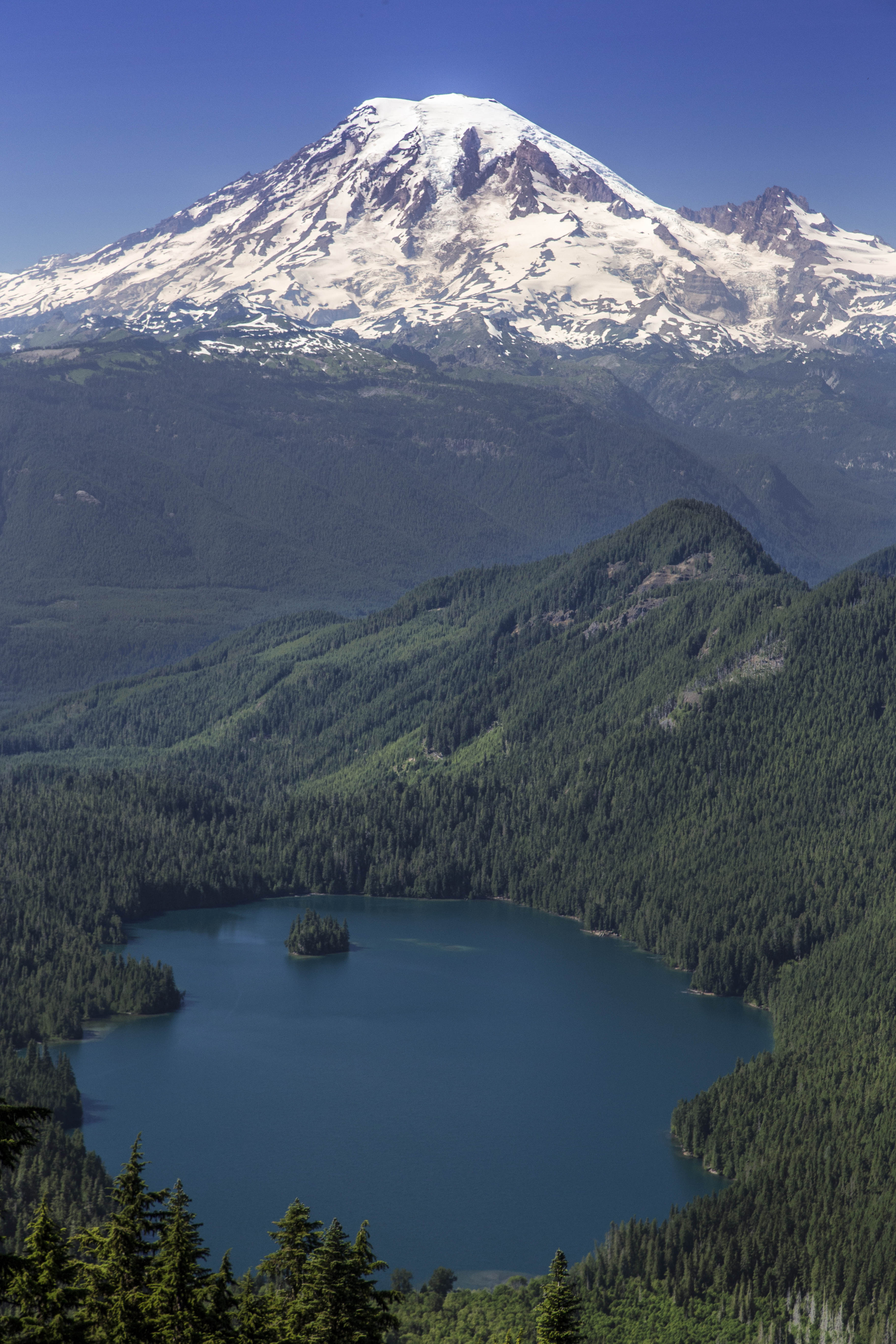

These three images of Mount Rainier were captured while hiking along the Lily Basin Trail in the Goat Rocks Wilderness. The lake with the small island is called Packwood Lake.

We arrived atop Devils Dome late in the afternoon and set up camp. 
Though we were atop the peak snow fields nearby supplied us with water. The sunset was magnificent, but we watched it from inside our tent mesh because the mosquitoes were ravenous. 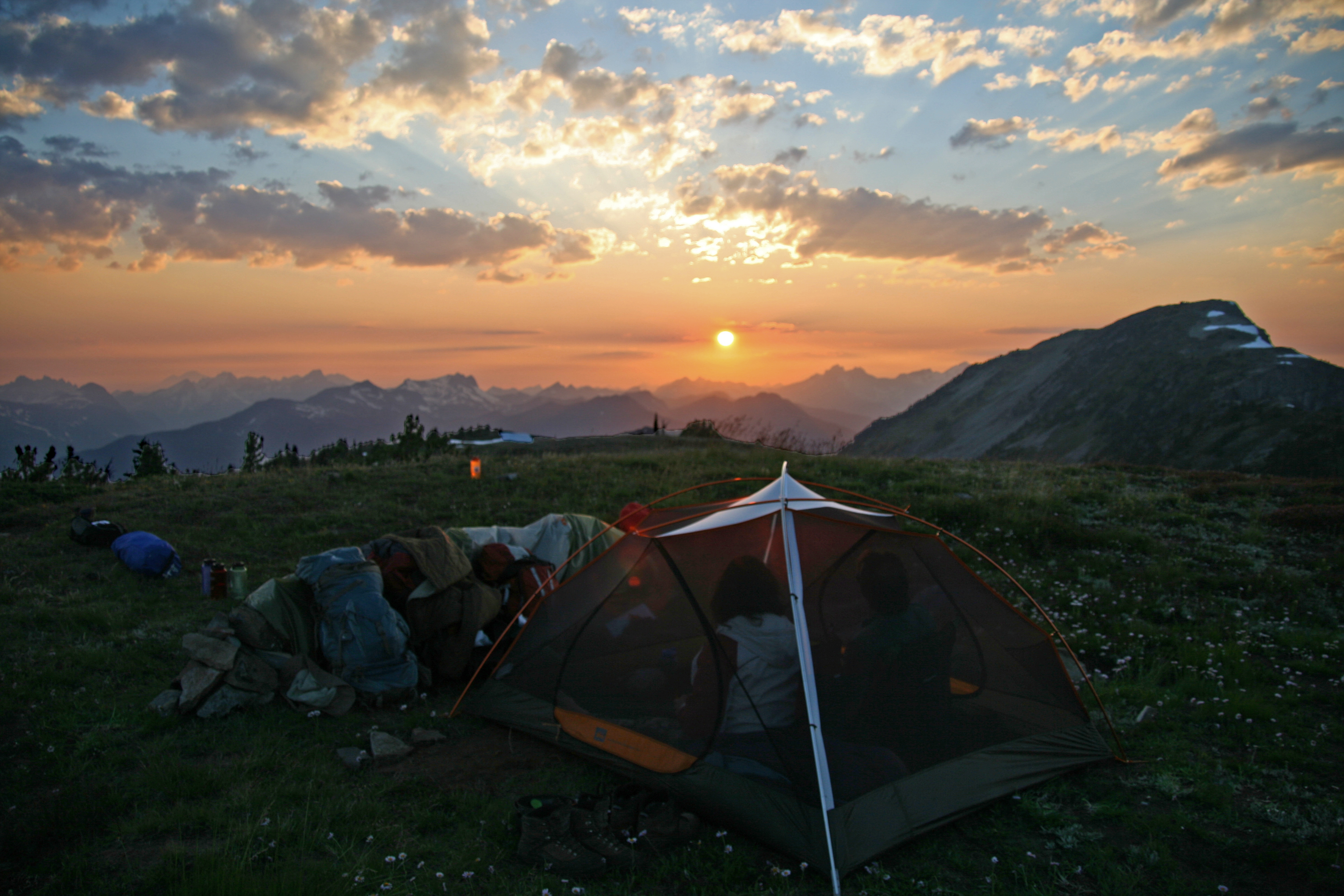
Devils Dome affords a 360 degree view of Jack Mountain, to the south, Hozomeen to the north, The glaciated peaks of North Cascades National Park to the west and a broad expanse of the Pasayten to the east. 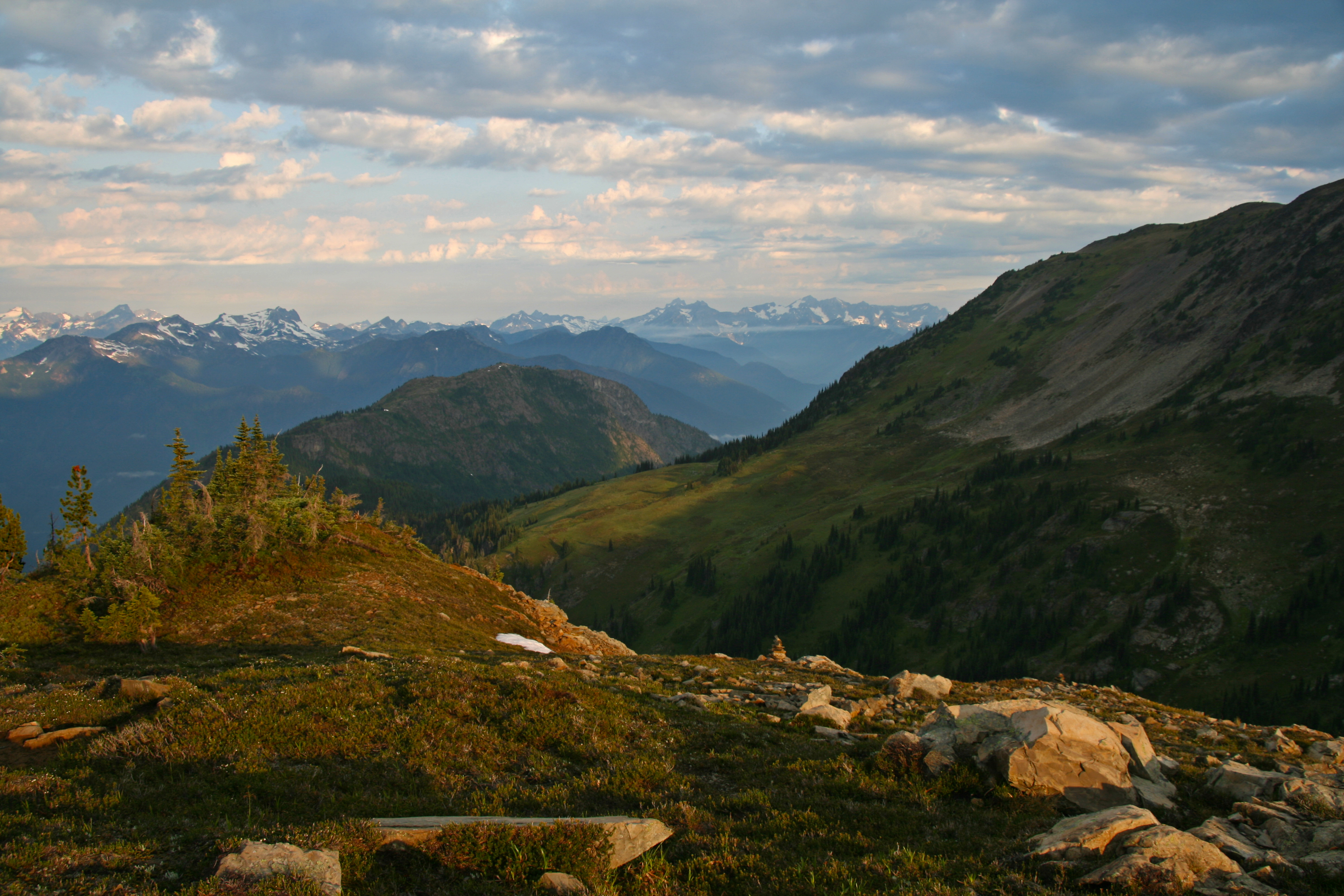
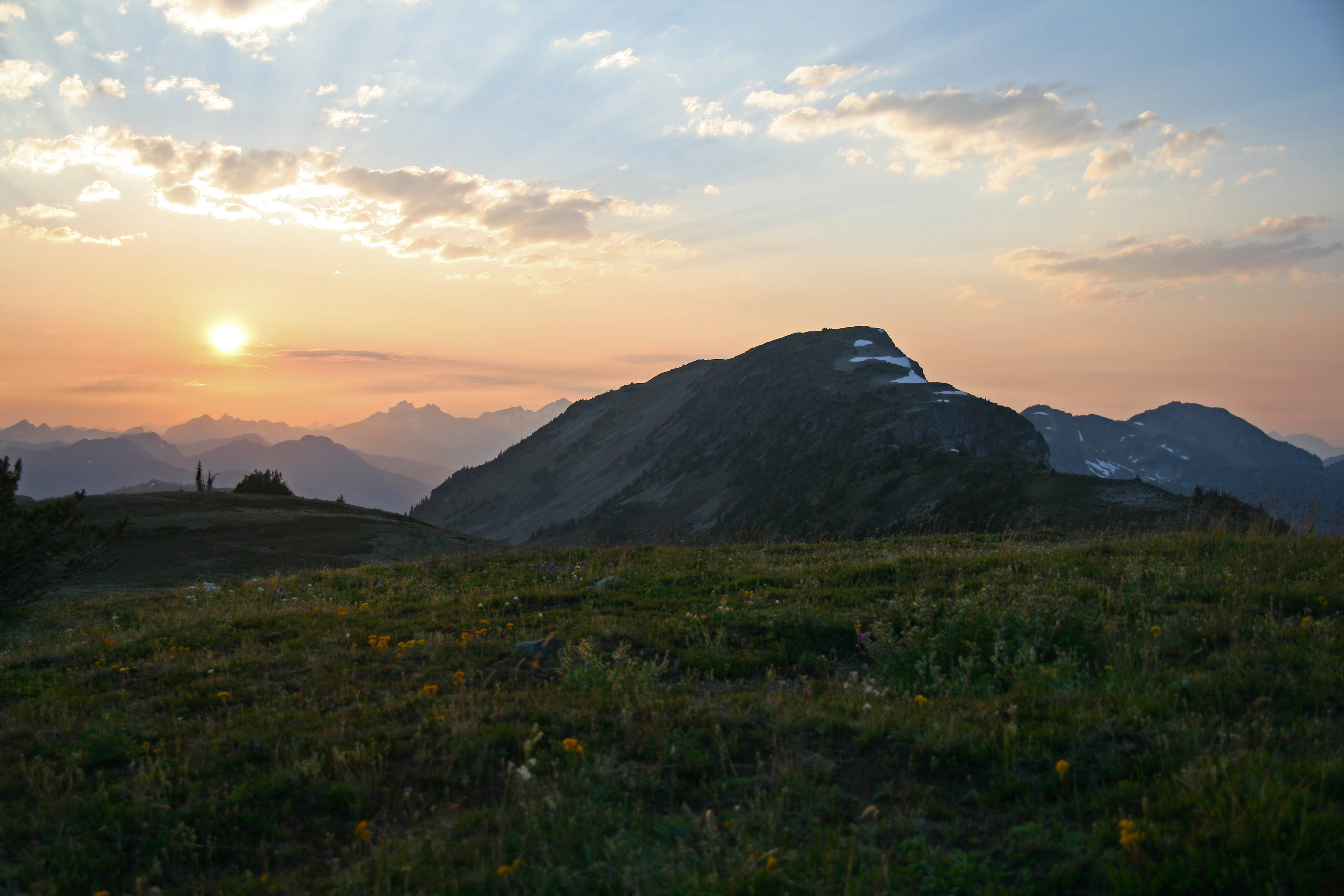

After a wonderful dinner we quickly went to sleep excited about the beauty tomorrow promised.
Something woke me up. I lay for a moment with eyes closed, sensing. There was a stillness, which was odd seeing that I was camped on a mountain top, and the smell of rain in the air. Suddenly opening my eyes I saw that the sky was clouded over. I lay for another moment reluctantly picturing myself getting up and putting the rain fly on the tent when I saw the flicker of lightning in the eastern sky. I sat up looking…there was another flash…and another.
Quickly exiting the tent I stood scanning the sky. There was lightning to the east…then to the south, then again, to the west…the dark tumultuous sky was alive with flashes, the peaks briefly illuminated and then again black shapes…I looked on in wonder…and then it stated raining.
I quickly awoke my two companions and let them know that they needed to get up, get dressed and get out of the tent and give me a hand. At first they were both saying, “why don’t you just put on the rain fly and get back in, go back to sleep…” and I replied that if they stayed in the tent that they would miss the lightning show…that provided sufficient motivation and they were soon out of the tent, looking at the skies. The lightning was getting more intense, more frequent…we could see the glow of a fire to the west, over towards Ross Lake and the National Park boundary.
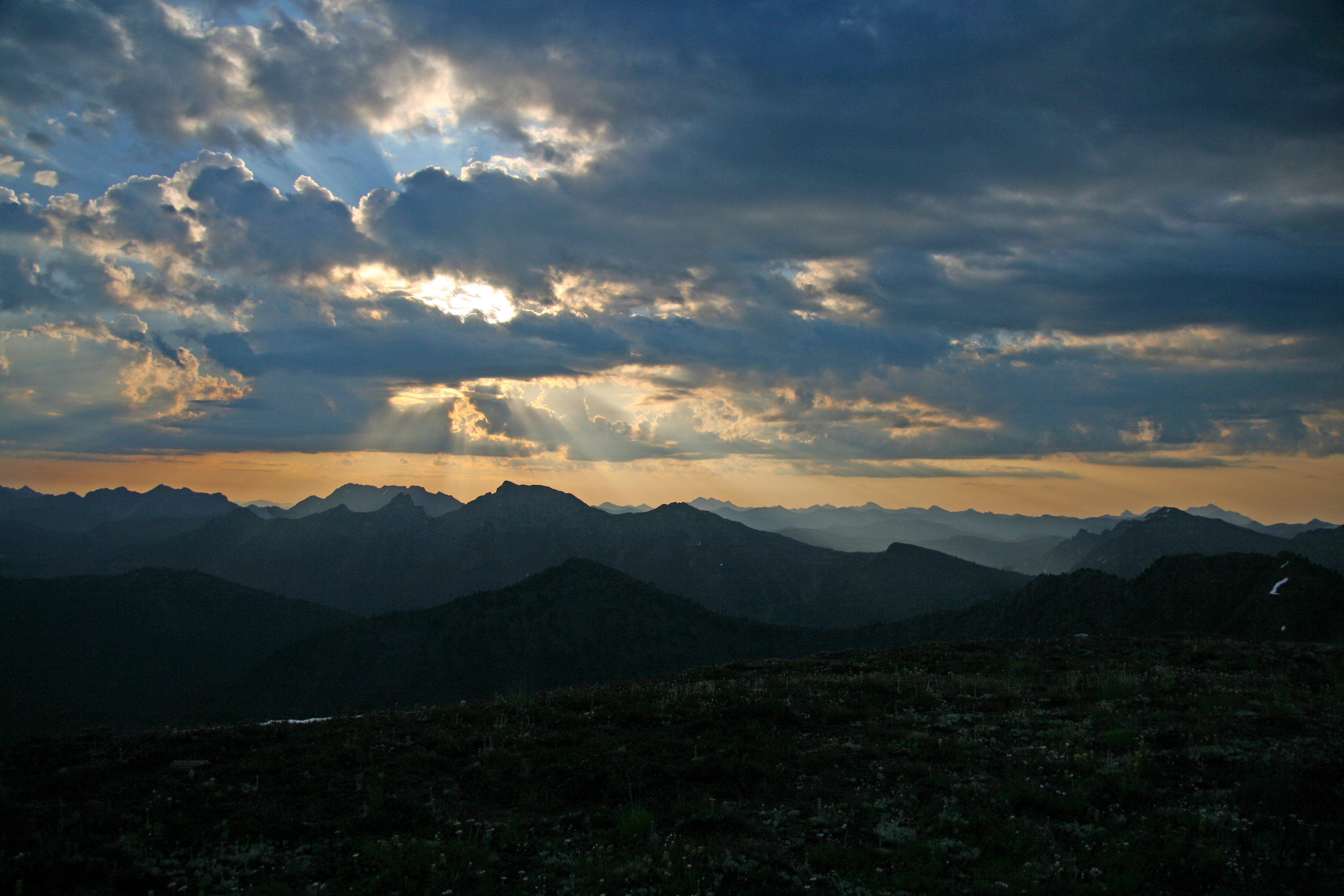
My plan was simple: get the rain fly on the tent, throw all our stuff in it, don our rain gear and then lie on the grass and watch the show. But my two friends had other ideas. One strongly advised that we immediately depart and head down the mountain to find shelter from the lightning. My other friend insisted on a more simple approach: do nothing and simply enjoy the storm. I started with the rain fly and loading the tent and soon they came to assist me.
Some one came up with the idea of planting our trekking poles in the ground, well away from the tent, to act as lightning rods (!). And so, now somewhat content with our preparations, we all watched.
The rain started to come down now. The wind picked up, strong gusts blowing across the summit. The flashes became more insistent, more frequent. With each flash the ridges between us suddenly appeared out of darkness, and then…gone back to my imagination, leaving lasting imprints of what had just been illuminated. From our vantage point we could see what looked like 6 or so fires burning…
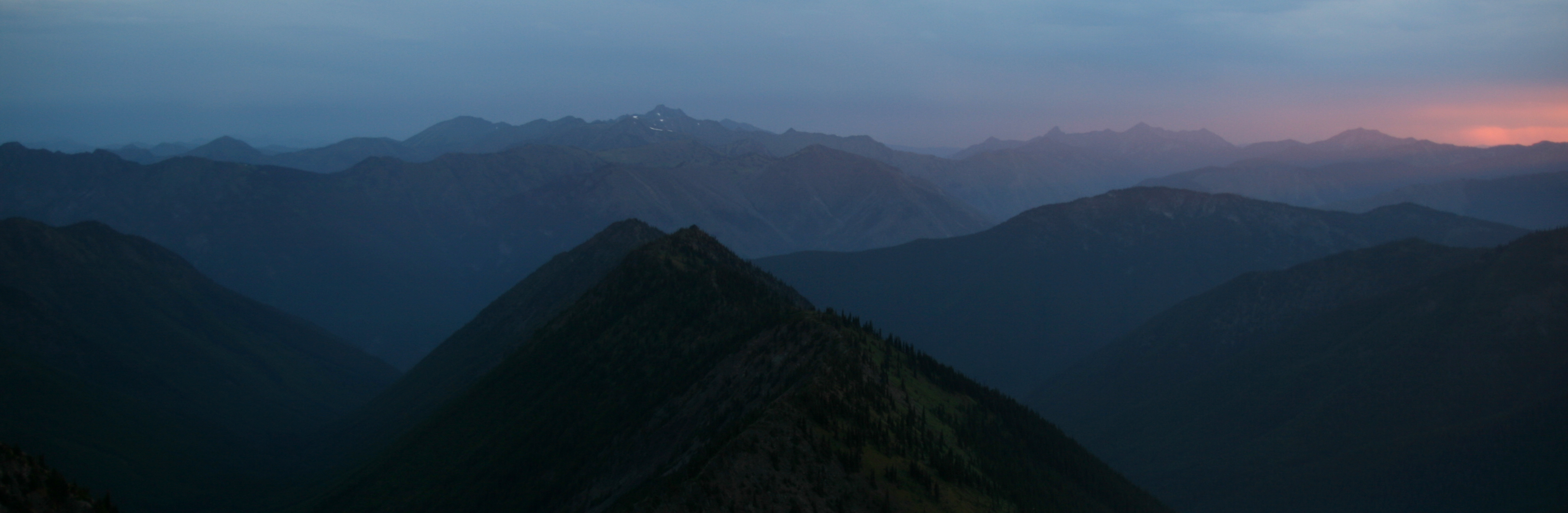
On three sides of us there were regular flashes, every few seconds, another, and then another. The wind and rain continued unabated. In fact they increased along with the regularity of the lightning, each building to a crescendo. The lightning now seemed to take on a reddish hue, then green or blue (was it just my imagination?)
Transfixed by the sheer beauty, we had front row seats for natures own fireworks show, the best we had ever seen. Just as I was starting to edge towards getting the hell out of there the tempest began to lessen, the wind shifted. The lightning to the west, which seemed to head towards us, stopped.
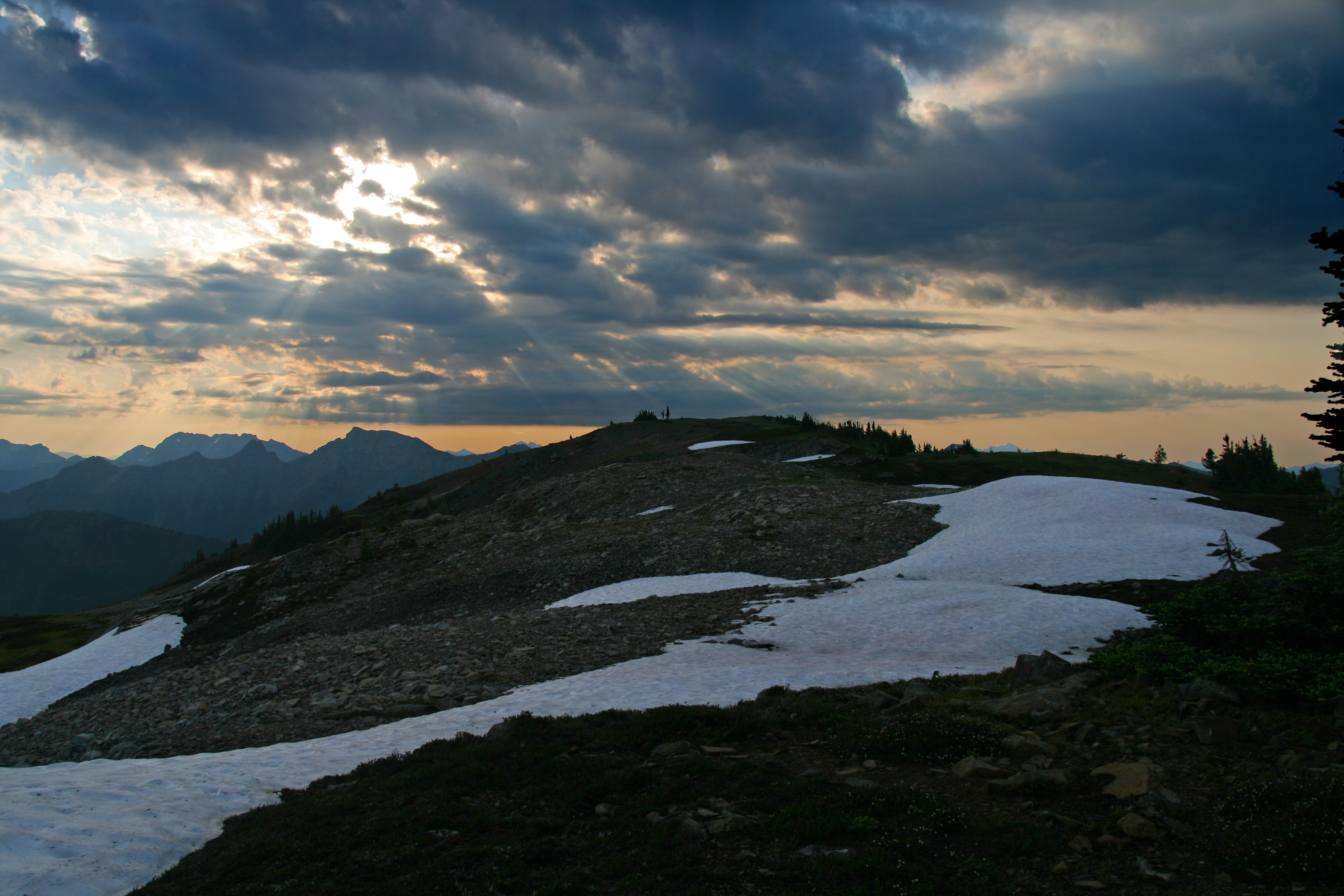
And that was it! The storm cell had passed us by. The lightning to the east faded out and in its place we could now see the faint hint of the sun.
The date was 08/08/08. This was the opening night of the Olympics in Bejing, and we mused that the fireworks we had just seen surpassed theirs, hands down. It was also the scheduled date for the start up of the Large Hadron Collider and we considered that the lightning storm was a direct result of the resultant black holes now devouring earth. These points we avidly debated, but all agreed that the peak was rightly named: Devils Dome.

As the excitement died down my friends retired to sleep and I ventured forth to catch some of the morning light.

The Pasayten Wilderness is one of my favorite places in Washington, a land of mountains and rivers, steep valleys and meadows, wildflowers and zen like peace. This experience, on day 6 of our twelve day trek which started at the Canyon Creek Trail head on the North Cascades Highway.
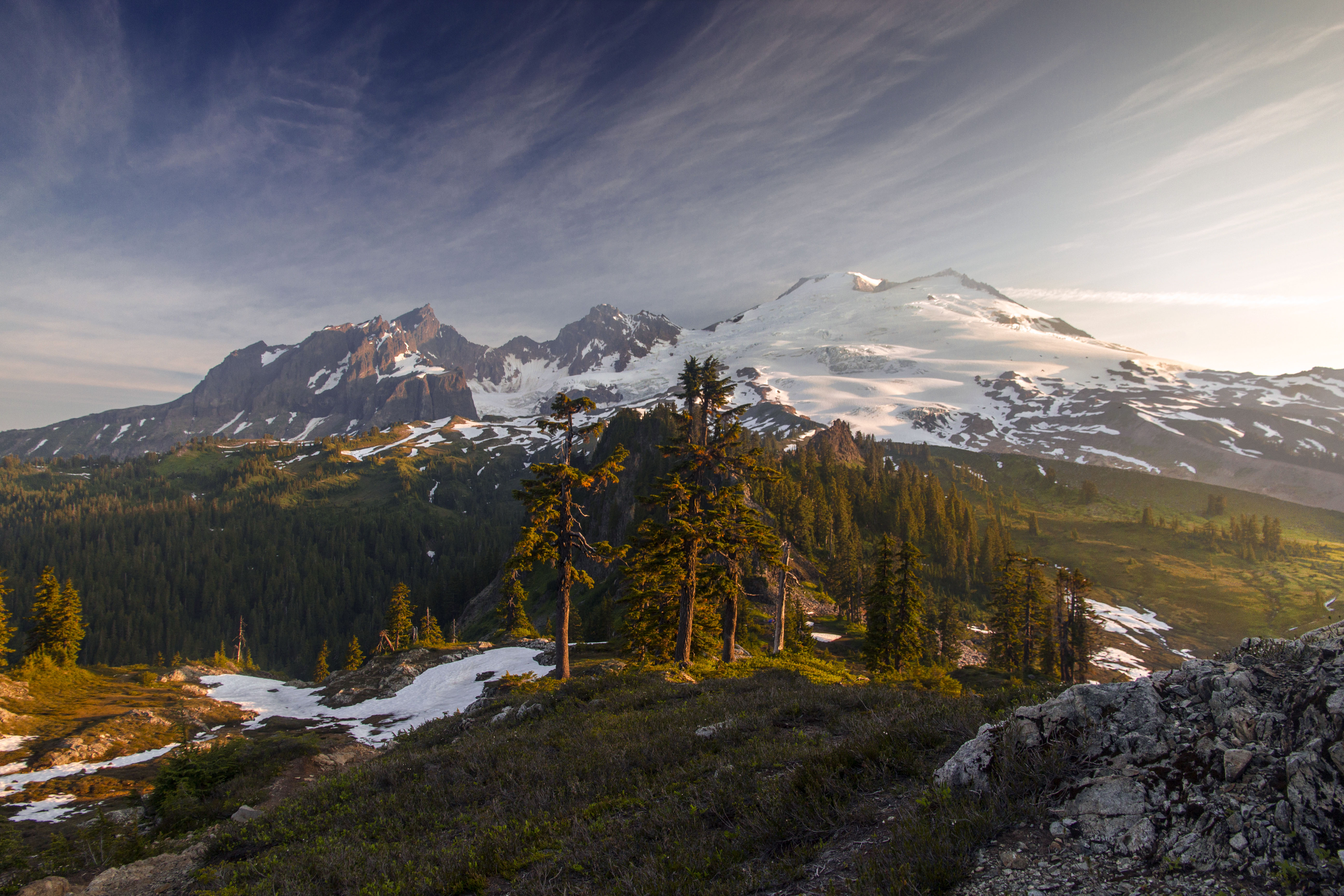
These images of Mount Baker were captured from the Park Butte Trail, on the south side of the mountain.

I had stayed overnight at the lookout tower and was on the way down at sunrise.

The rock formations on the left side of Mount Baker are called the Black Buttes.

Merry Christmas!
There are many fantastic destinations in North Cascades National Park. Sahale Glacier Camp is truly unforgettable. The Copper Ridge and the Chiliwack River Loop combines fantastic ridge views with deep, dark forests. North Fork Bridge Creek affords endless views of soaring peaks, waterfalls and meadows.
It’s hard to have a favorite, but if you love jagged peaks, lush meadows and exploration, Horseshoe Basin and the Black Warrior Mine can’t be beat.
The first time I visited the Basin was in August of 2012. We hiked over Cascade Pass on a hot day and took the spur trail up the valley towards the basin and the mine.
The basin was aglow in the afternoon light, orange granite spires surrounding the lip like fangs, too-numerous-to-count waterfalls glistening, their sparkling waters plunging down into the valley. There were wildflowers popping out everywhere, yellows and purples, reds and blues, all accenting the deep green of the basin floor.
 Horseshoe Basin, North Cascades National Park
The trail follows the stream up into the valley; it follows a course along the stream, across the stream and in the stream, brushy and wet. Shortly the trail emerges into a clearing where boulders dot the basin floor. Climbing up on the largest, the view is transfixing. The green bowl is surrounded with grandeur, full of color and drama.
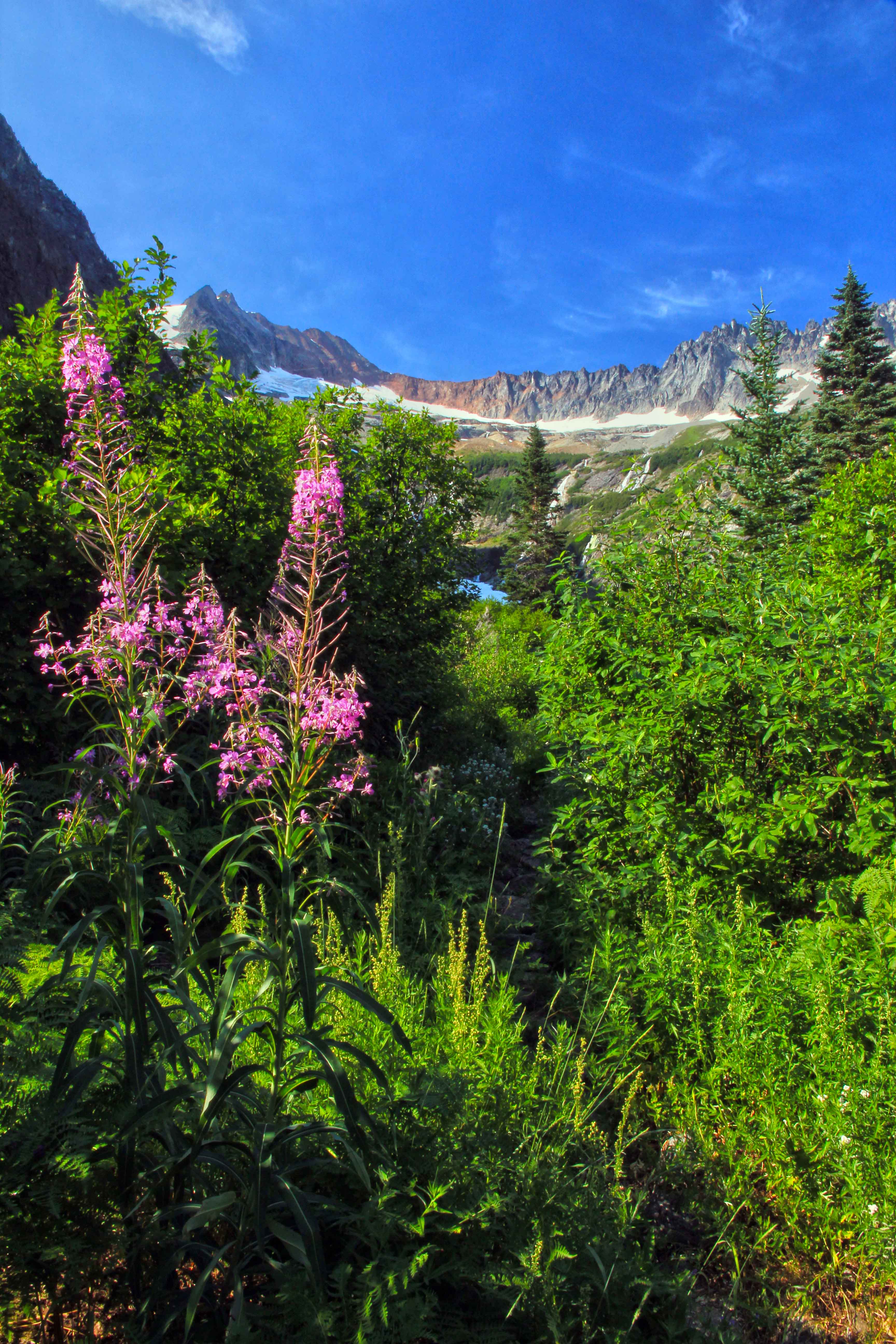 Wildflowers on the trail
We hurried on, racing the sun, heading up the valley, climbing across boulders and scree, on to a snow field, up to the gaping hole of the Black Warrior Mine. Black Warrior Mine
The North Cascades are full of old mining claims piles of colorful tailings and rusted remains of sluices and Pelton wheels littered about. But I had never visited a mine that I could enter and explore. The Black Warrior Mine operated until the mid-1950’s and is a National Historic place. 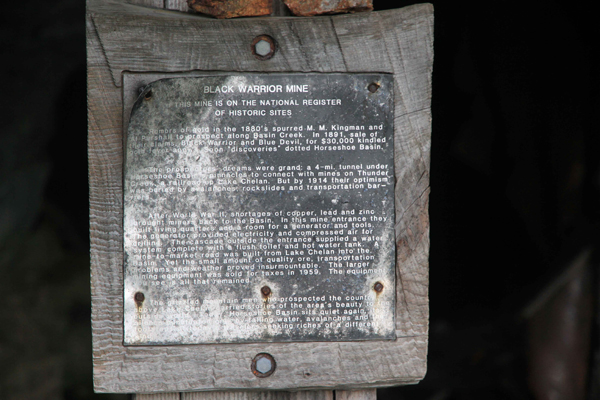
There is a sign at the entrance giving a brief history of the mine, the names of the prospectors and misled investors who poured their mostly futile efforts into this hole. There are two main cavernous rooms blasted into the mountain side which make the opening of the mine. Wooden supports and floor boards are flooded with water. Old tables and remains of habitation litter the floor. The shaft of the mine runs deep, several miles of tunnel remain; open for any brave person to explore. 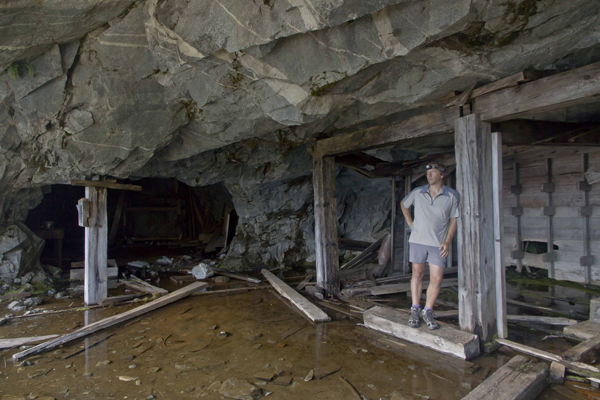 Black Warrior Mine: Kitchen
The wonder of the place is still with me. Maybe its the history, all of the people who worked so long and hard here, digging and scraping for naught. Here, as in many of the North Cascade valleys, it was miners who blazed the trails that we now use to visit the high country. The road from Stehekin, long ago, came all the way to the mine entrance. Over time nature has reclaimed the road, now vehicles can only go as far as High Bridge, 17 miles downstream.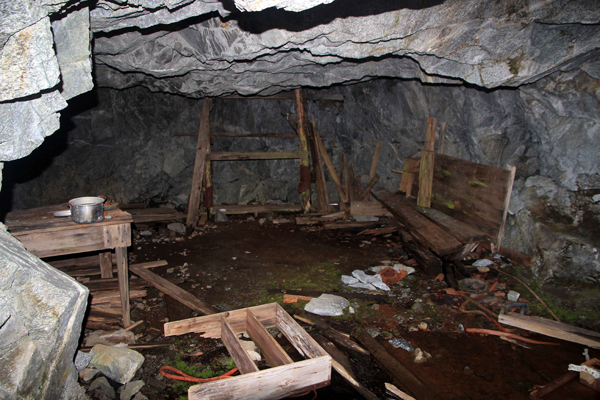 Black Warrior Mine Remains
The falling sun chased us out of the valley, we camped at Basin Creek camp that night and then next day headed down the valley, east, towards Cotton Wood Camp. View from Mine Entrance, looking down the valley
The next few days found us in Stehekin eating fresh pastry…
2 days and lots of espresso/tasty treats later we headed back up through Cottonwood and the upper valley on a bright summers day, with a welcome breeze we crossed Basin Creek again and started up towards the pass.
 Basin Creek
It was early in the morning when we came back to the trail junction with the Horseshoe Basin trail. I wanted to have another view, this time with different light. So we stopped and were having a snack before heading up the valley when we had a visitor.
The main trail coming down from Cascade Pass makes a long traverse of the mountainside, descending towards the valley floor. At the elbow of a switchback the spur trail heads up the Basin Creek draw to Horseshoe Basin. We were sitting at the junction, relaxing, when I saw a black bear heading down the trail towards us. My camera was nearby and I ran for it, got the settings adjusted and started shooting. As the bear approached she spied us and slowed her pace. My pulse was pumping with excitement as she got closer and the images clearer. I was viewing the entire scene from my view finder and suddenly had the realization that the bear was getting pretty close!
 Bear at Horseshoe Basin
I lowered the camera and considered what to do. The bear was now at the trail junction, about 15 feet from me, she paused, considering her options. My friend and I both realized that she wanted to pass up the spur, trail to the basin, right past us!

We sort of backed up, along the hillside, and spoke soft words to the bear. She gave us a look of resignation, then headed further down the main trail, cutting across the hillside, just below our spot, traversing below us for about 50 feet, then popped back up through the brush and back onto the spur trail. She gave us a last look, and continued her way on the trail up to, we assumed, good foraging grounds in Horseshoe Basin.
Exulting in our good fortune, excited and energized, we finished our snack and followed her up the valley to the basin.

Edison is a small town in NW Washington, not far from Puget Sound. Located in Skagit County, Edison is just north of the town, Bow, along Chuckanut Drive. Heading west, passing through town the Bayview-Edison Road zig-zags and soon comes to a cause-way type bridge over the slough.
Here is a series of images from sunrise, 11/23/2013 from both sides of the bridge.  Here is a barn along the way, on Farm To Market Road…
These next 4 images are from just before the sun crested the horizon…
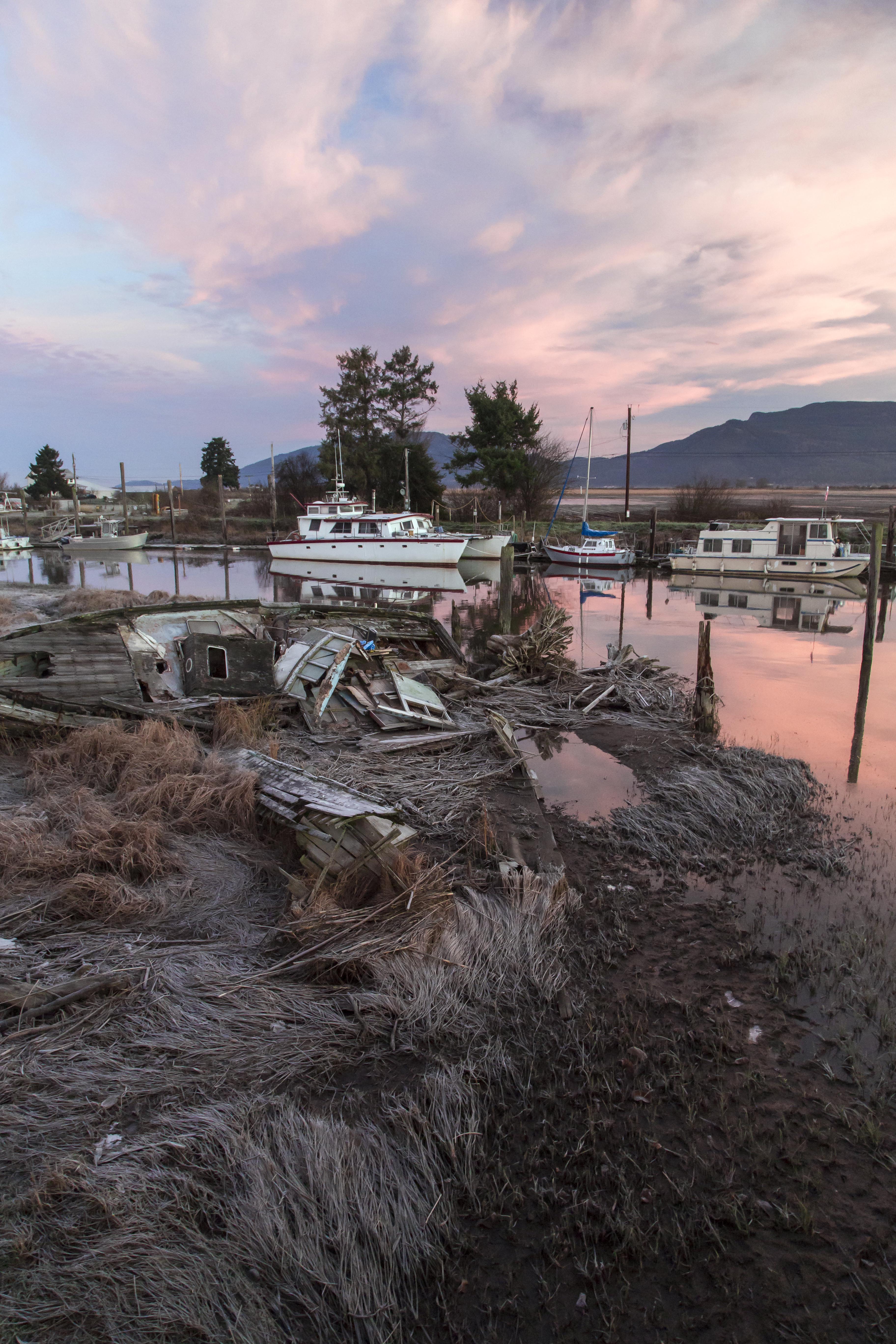


Once the morning sun’s rays arrived the scene changed, adding an entirely different light…




Walking back and forth along the top of the bridge there is a lot to capture!
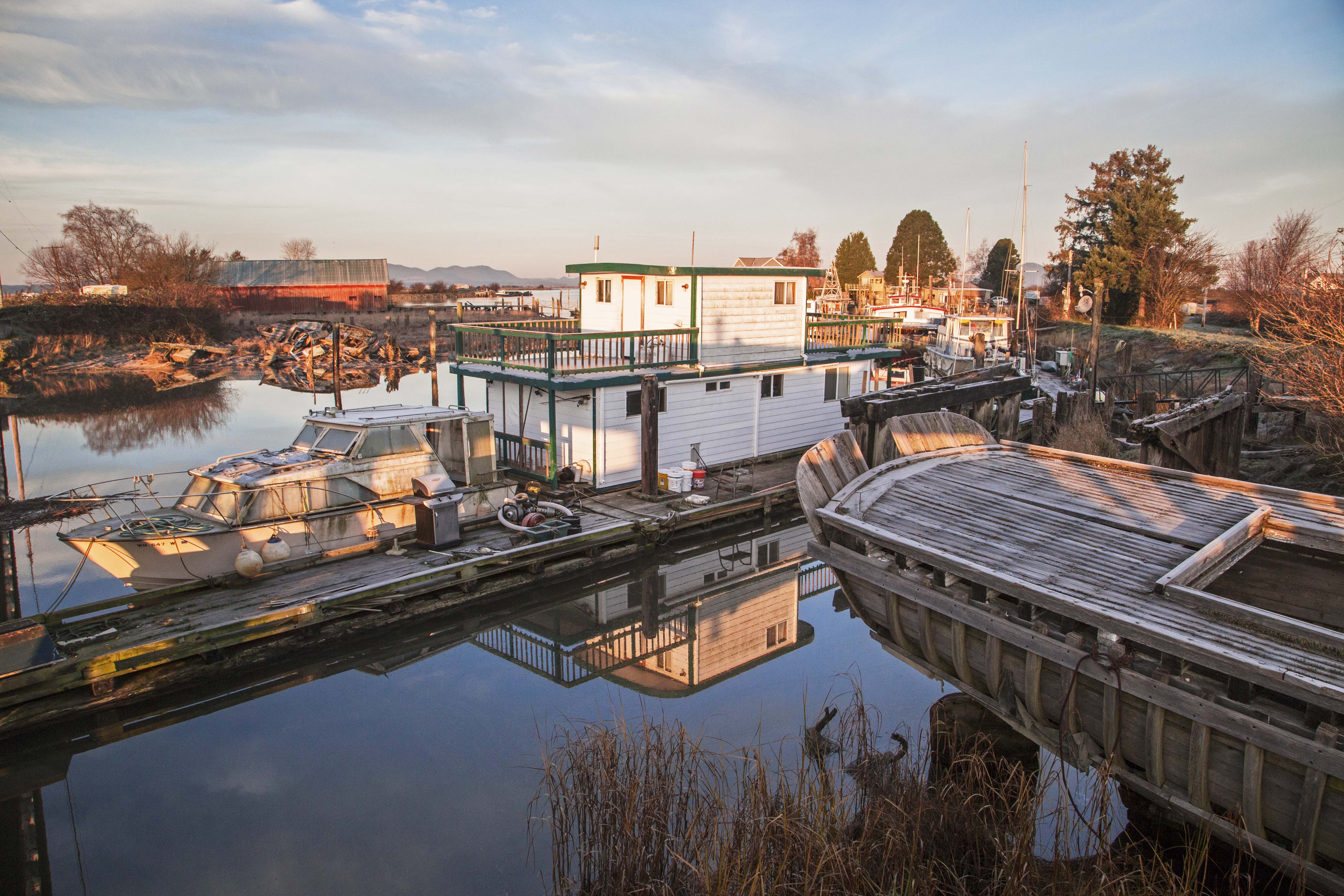

These next two images are of the same boat, from opposite sides.


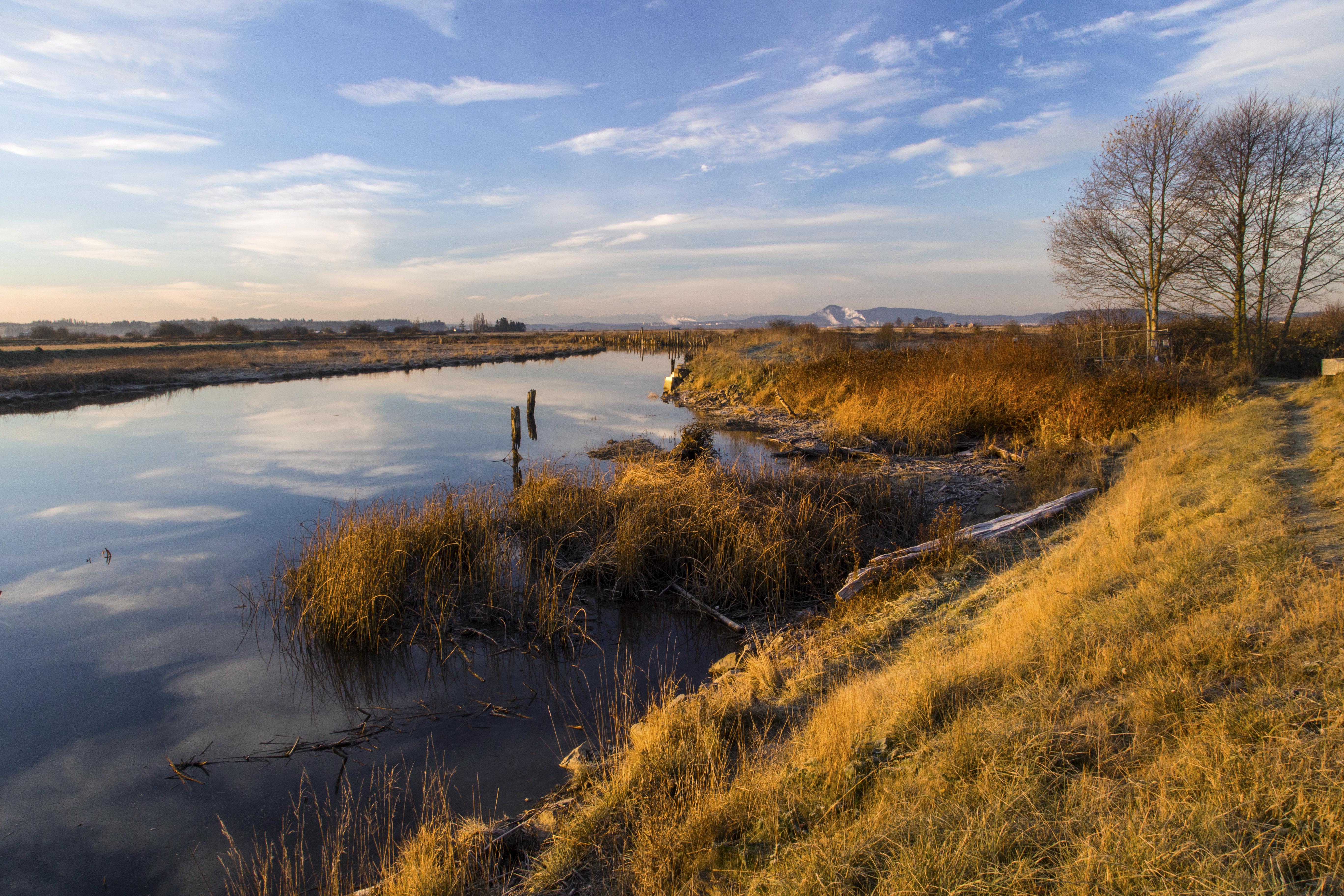
Crossing the road and looking south west here is the view of water.
I had the good fortune to make it to the Upper Cathedral Lakes Basin twice in one year! The views of Cathedral Peak and Amphitheater Mountain are stunning. When I visited in summer I noted the abundance of larch and so returned in fall to see the color explosion. Here are some images showcasing the changes between July 14th and October 2nd.
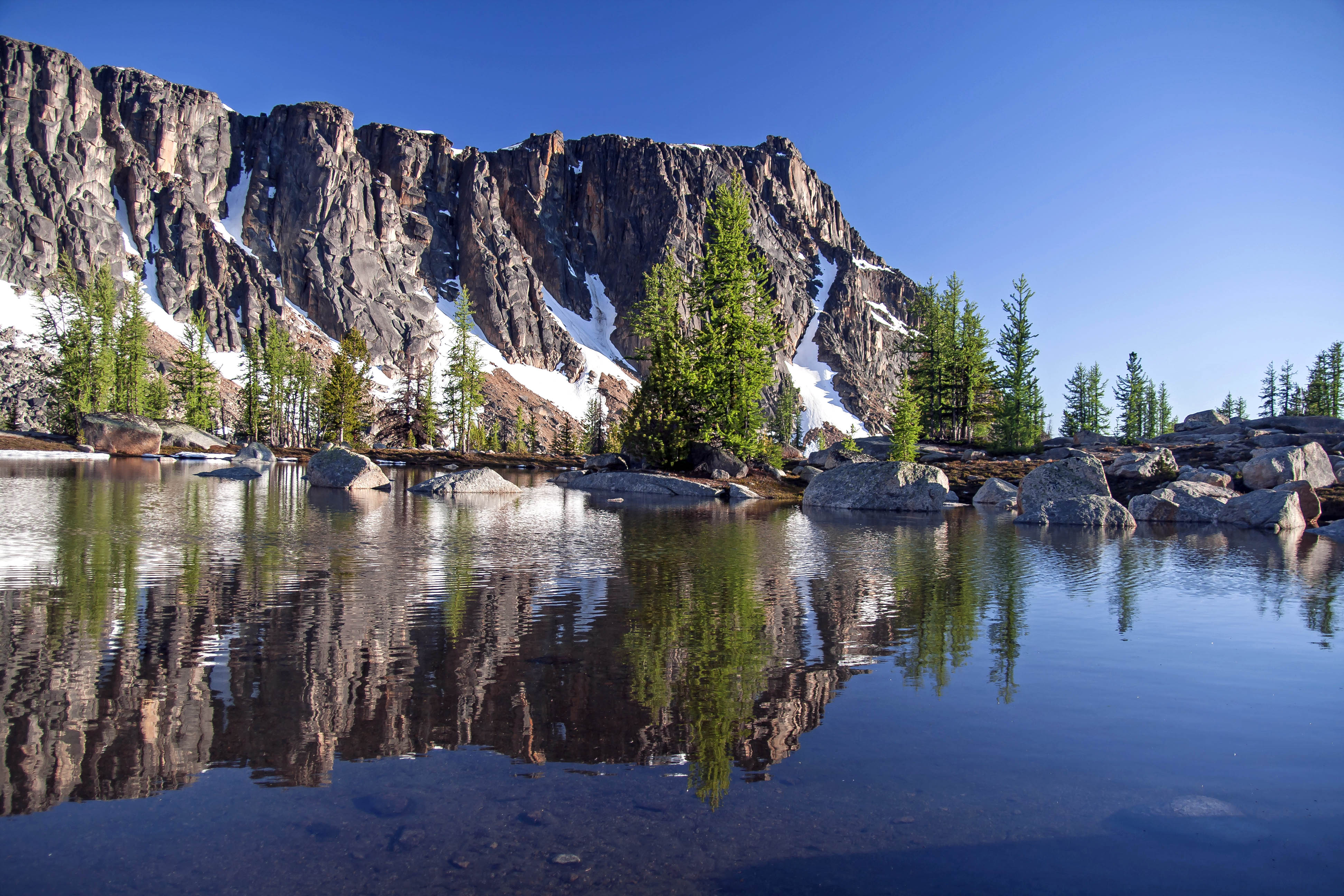
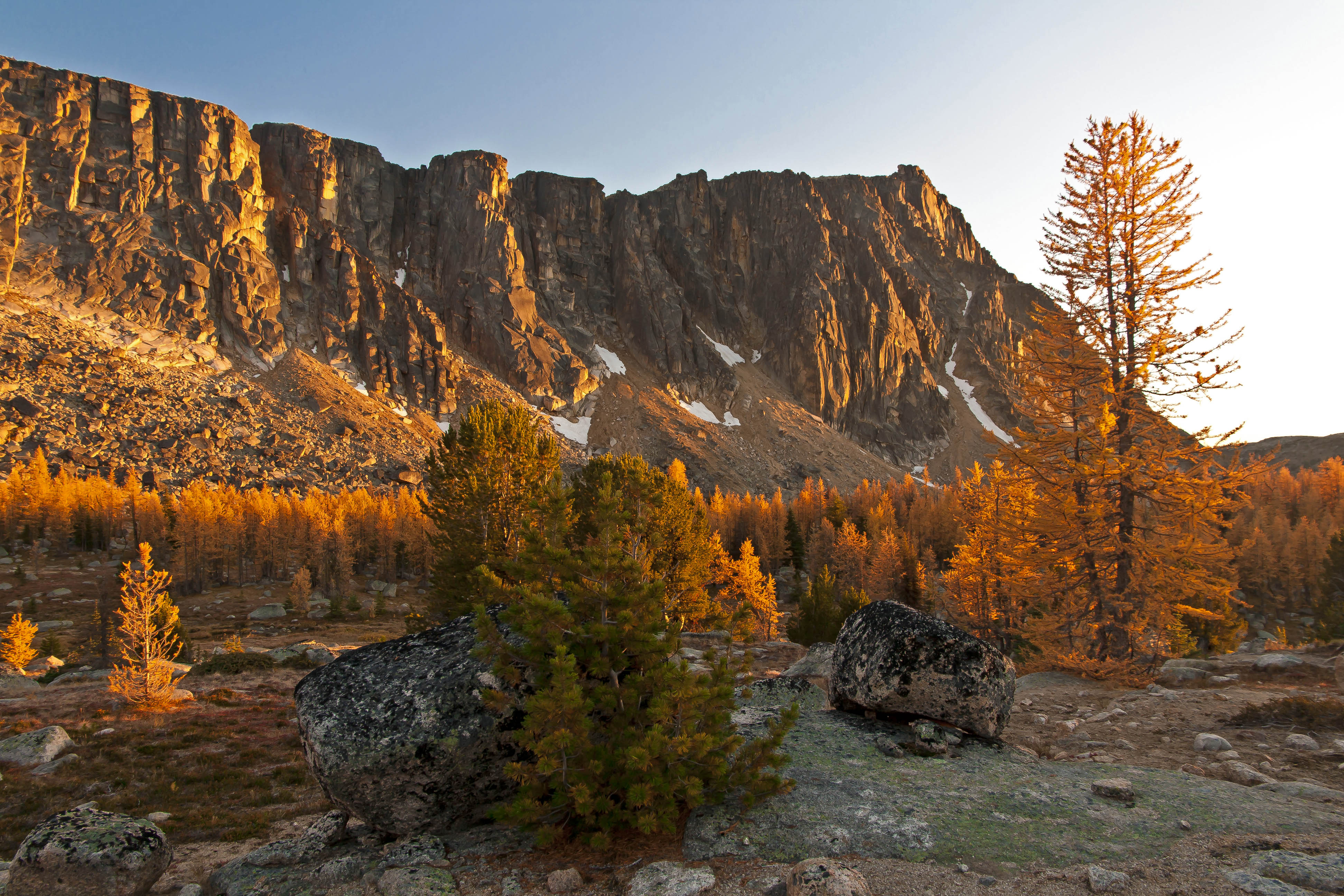
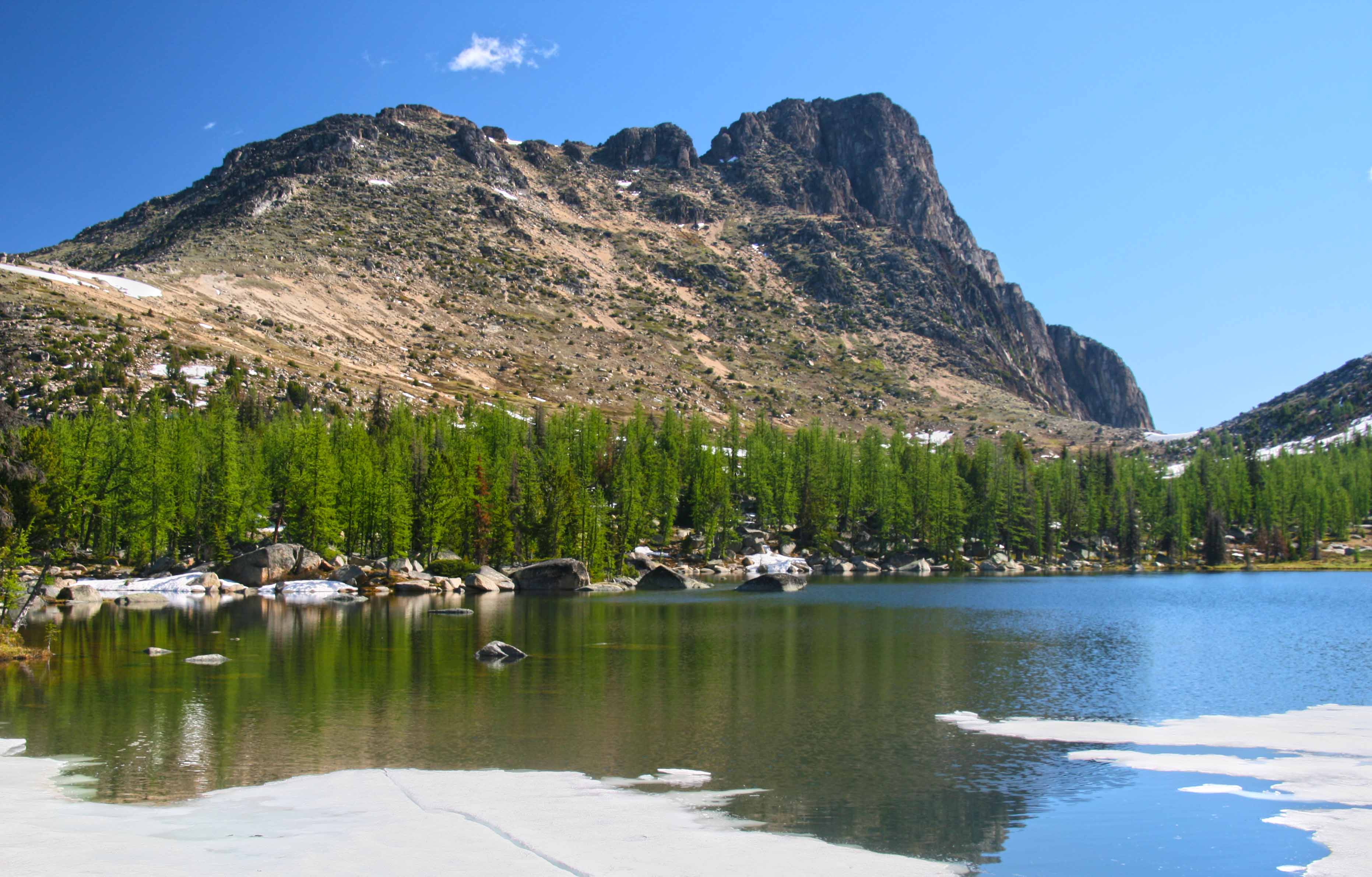

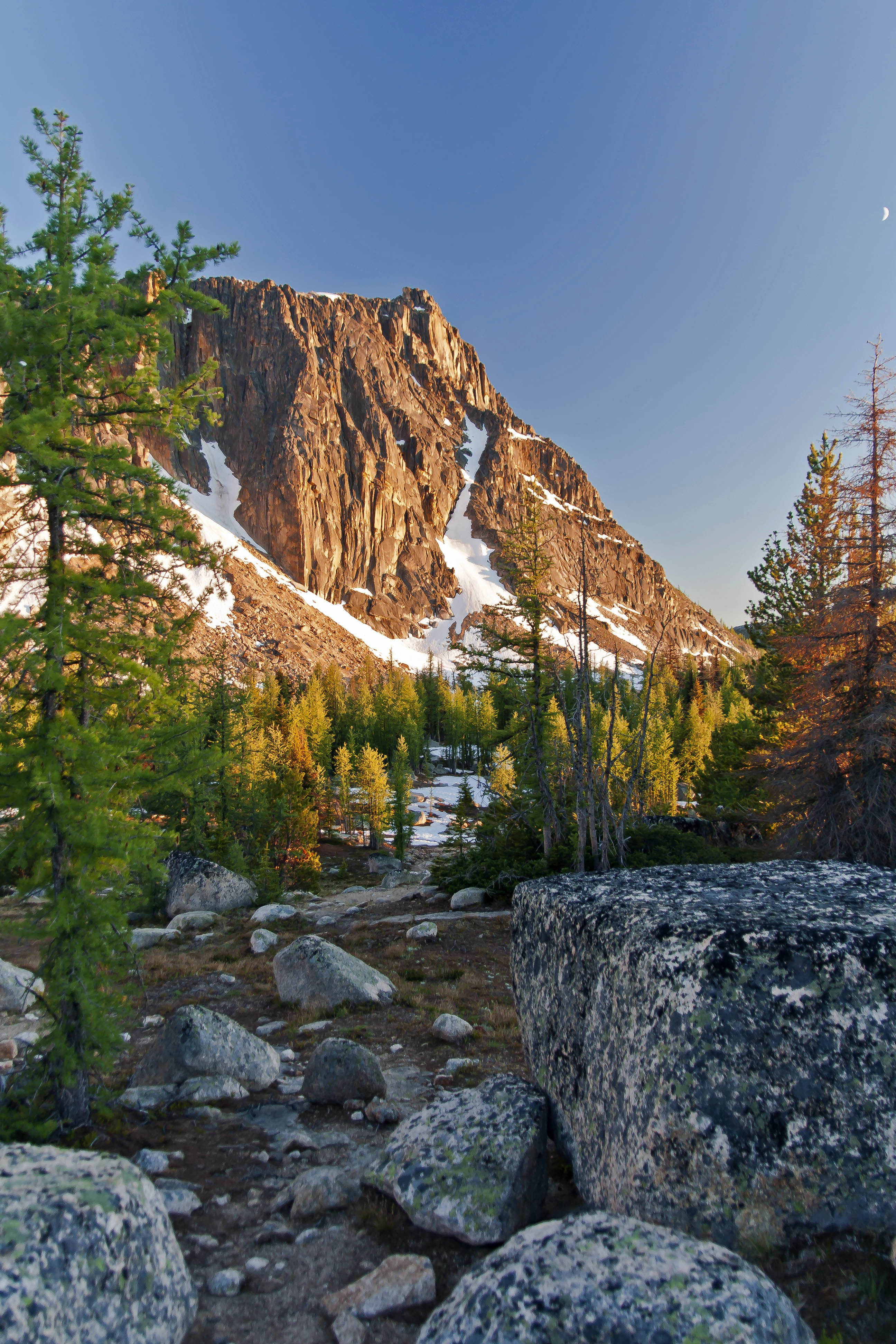


These last two images were both taken while on the October trip, the first on the way in and the second, from the same spot, on the way home!


The rain has set in and the days are short. Avoiding boredom necessitates a little creativity, which for me includes revisiting past hikes, editing images and trying to fashion a reasonable representation of a place.
The approach is from Tonasket, west to Loomis and then up the Toats Coulee Road to the Iron Gate Trail head.
The sky was blue and trees bright.
Iron Gate Trail Head Trees
The trip along the Boundary Trail (Doubling as the Pacific Northwest Trail) offer long vistas, green forests and in early October, brilliant orange larch.
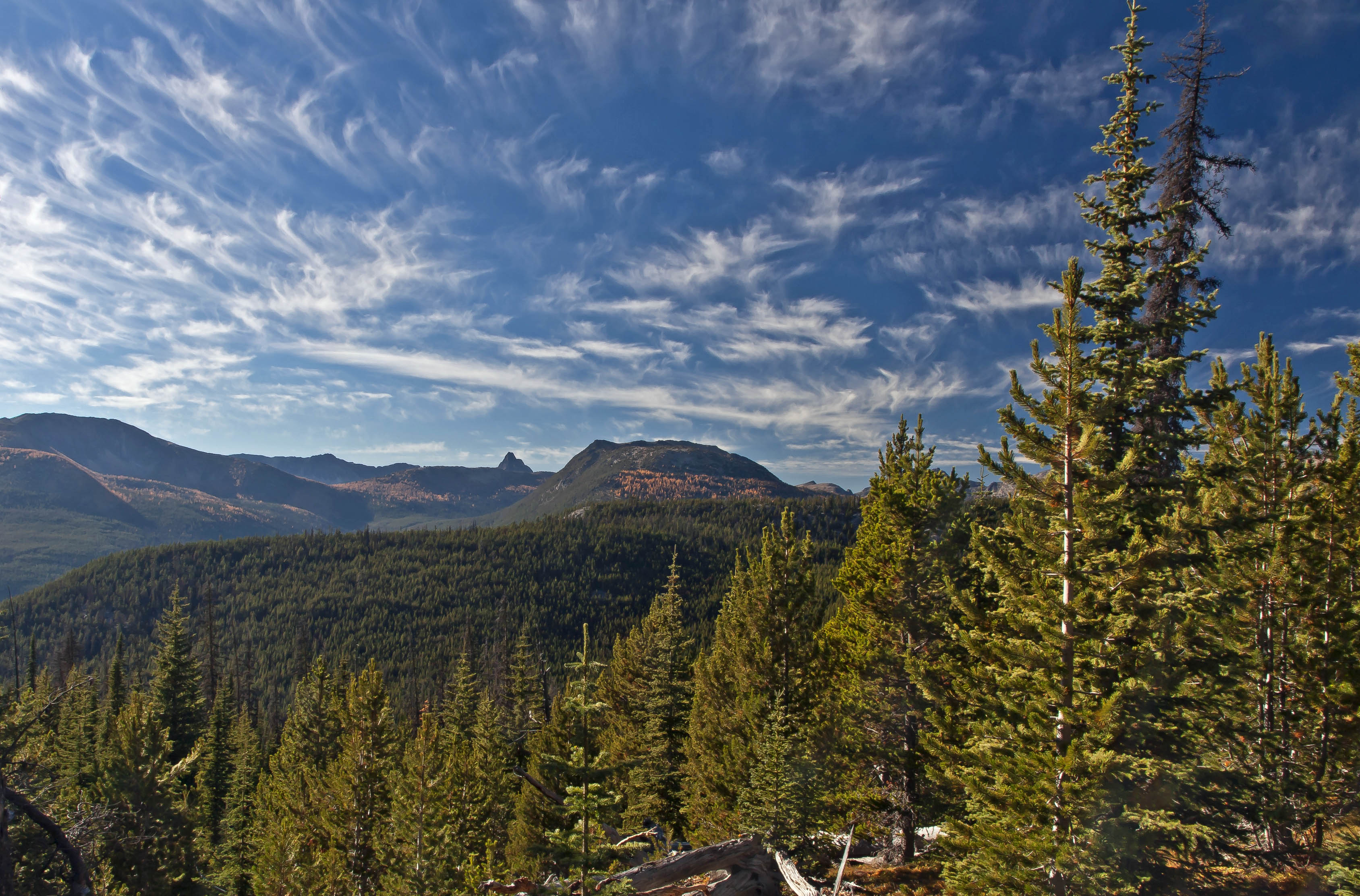 Boundary Trail
 Windy Peak
The trail is a lot of fun, the old Tungsten Mine is an interesting place to explore, and Apex Pass provides sweeping views of Remmel Mountain and the east side the of Amphitheater Mountain.
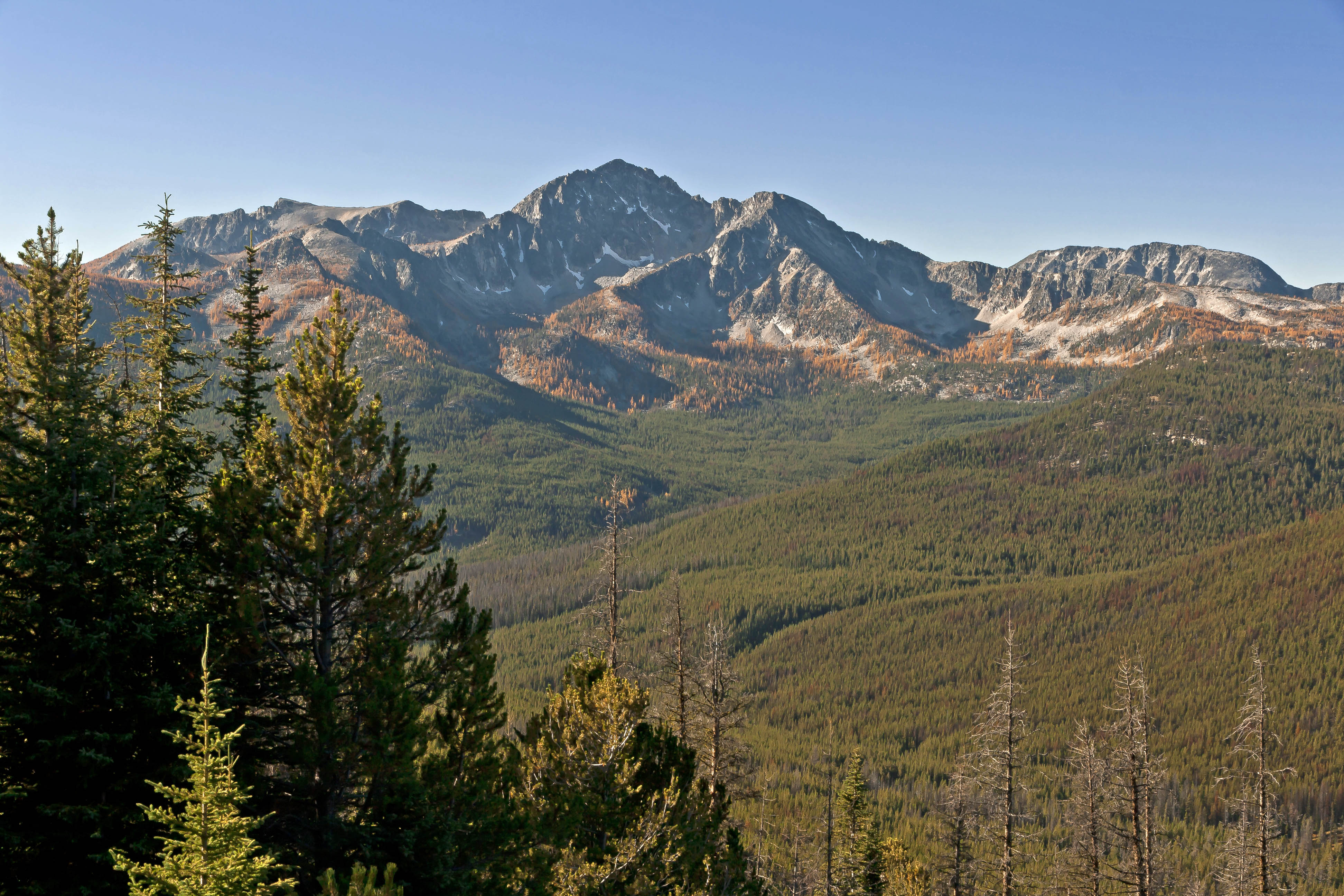 Remmel Mountain
The larch inhabit a band between 6,000 and 7,000 feet of elevation.
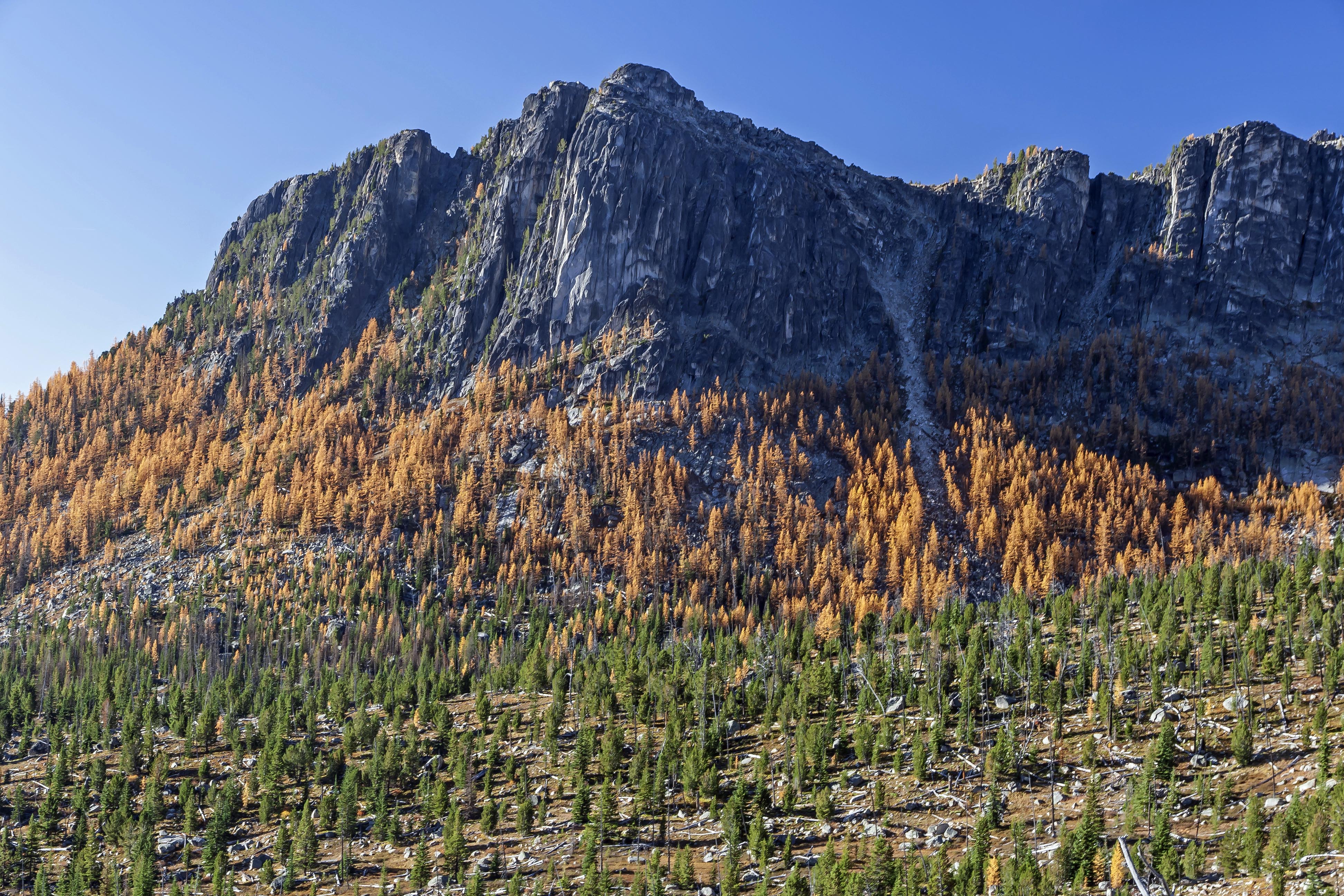 Amphitheater Mountain
Arriving at Cathedral Pass its a short stroll down to water and reflective views!
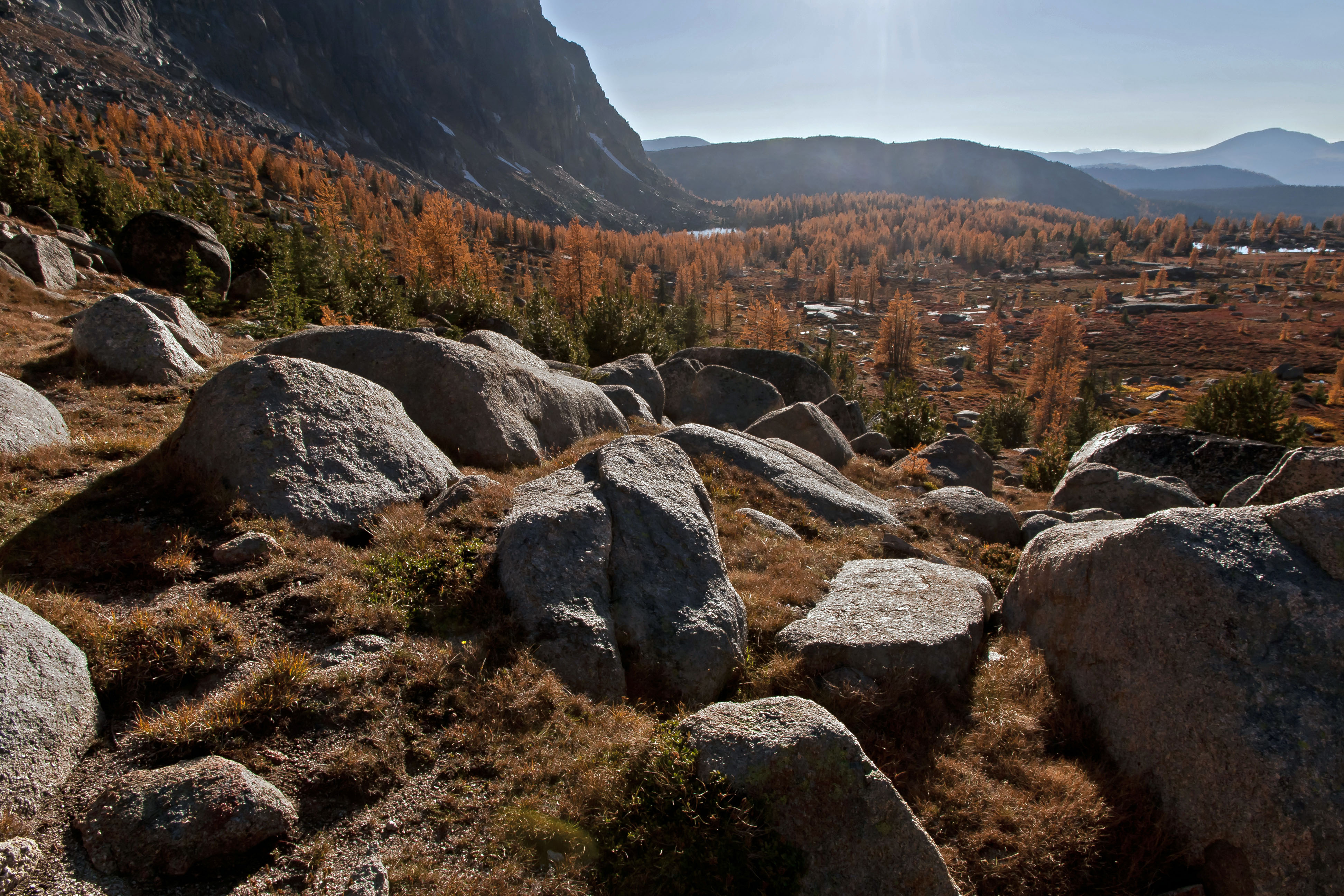 Cathedral Pass
Not a bad place to camp!
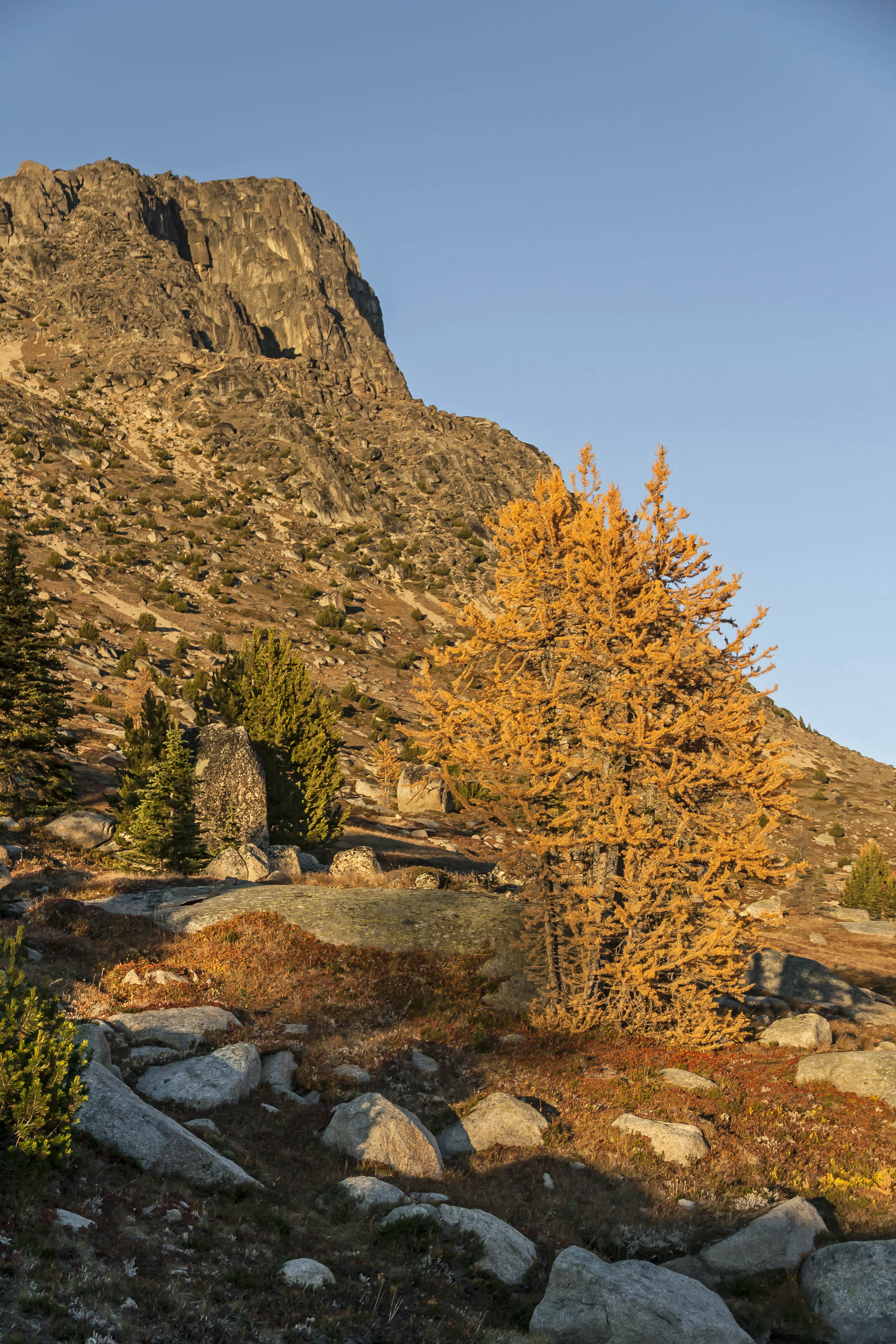 Cathedral Peak
 Amphitheater Mountain, Reflected in a snow-melt pond
Heading down a little ways to Upper Cathedral Lake just before sunset provides all you need for a true orgy of picture taking!

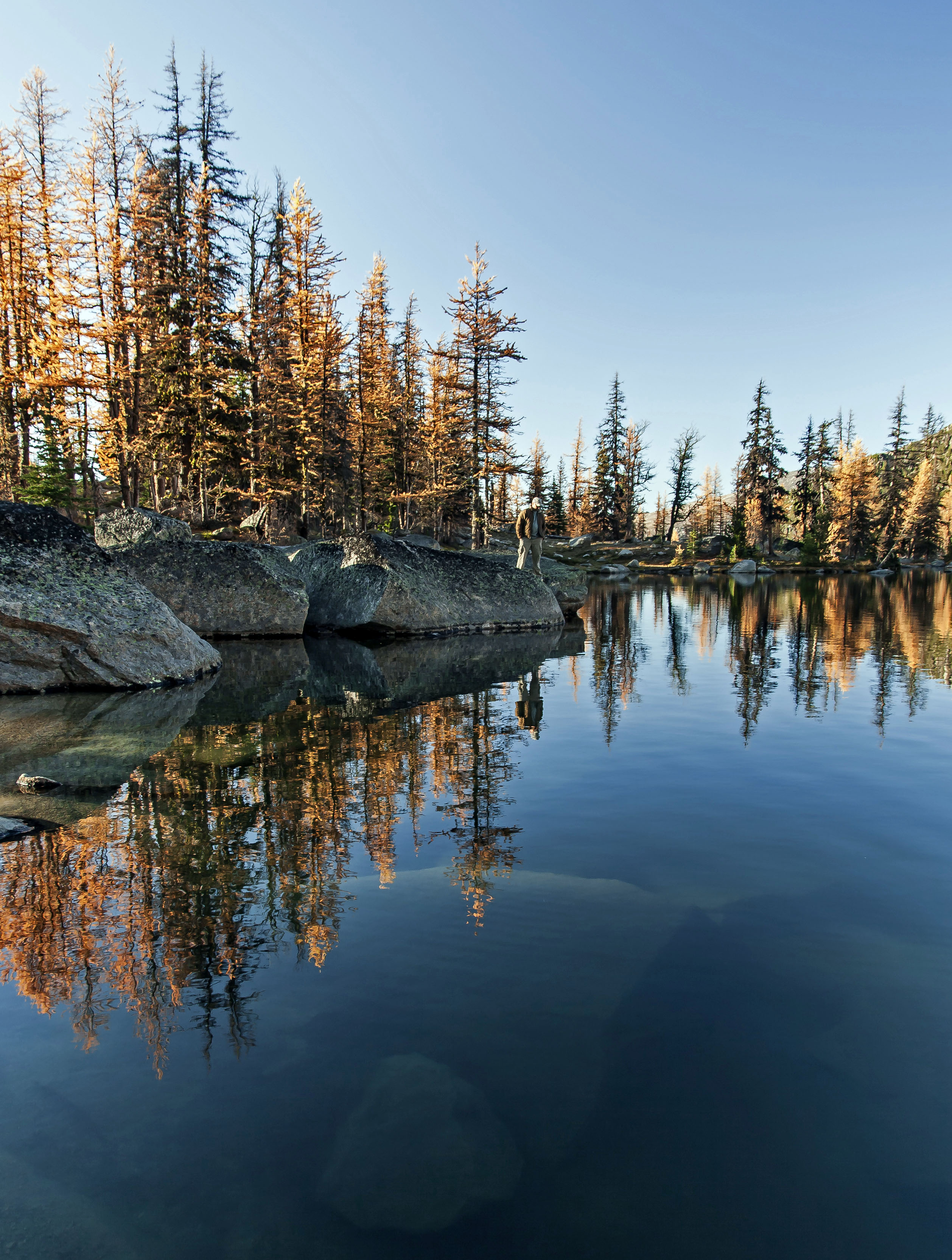
Back up at the camp site the setting sun made the trees look even more afire!
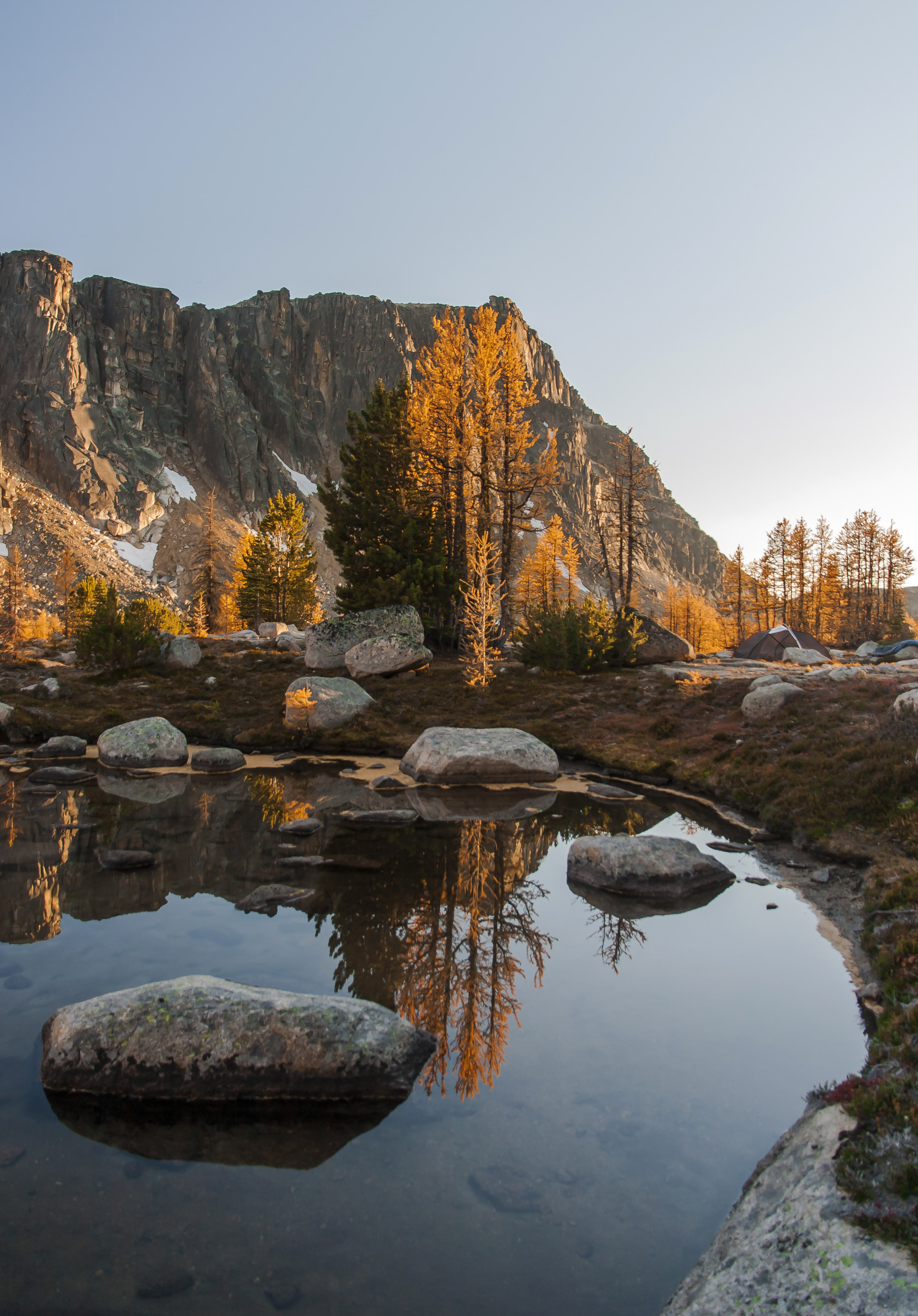
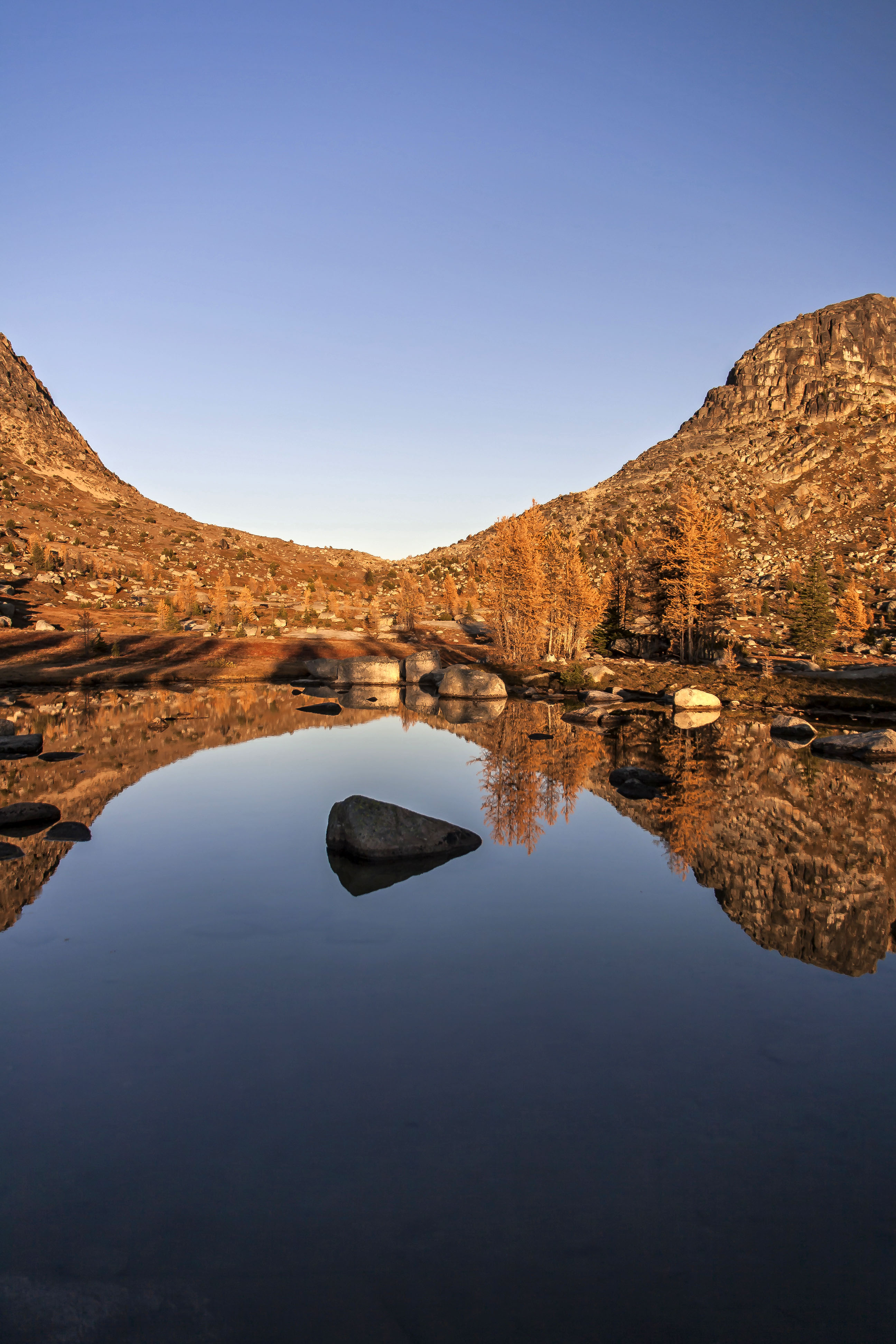
The sensory overload was fun! 
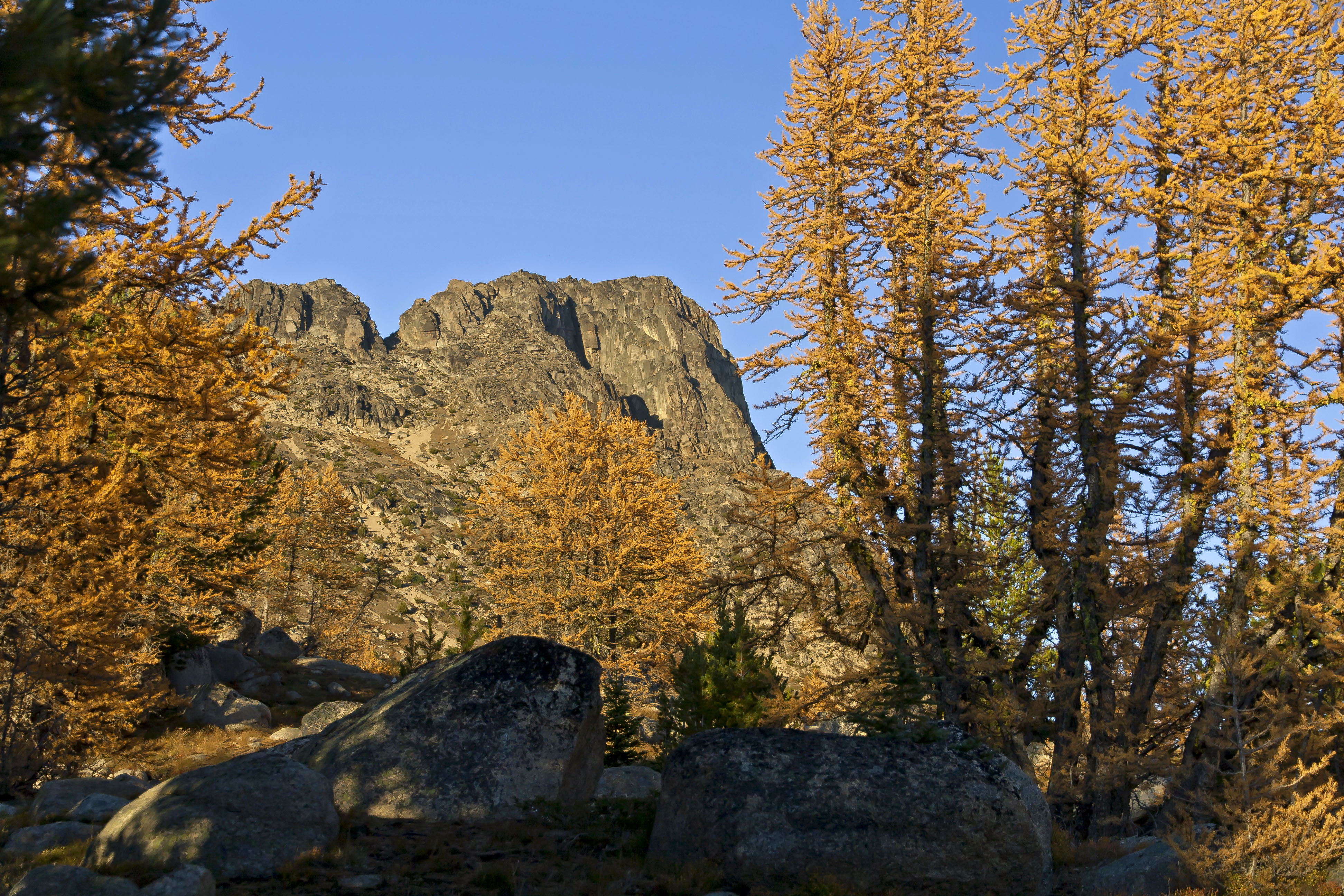
The hike back provided more changes in colors…
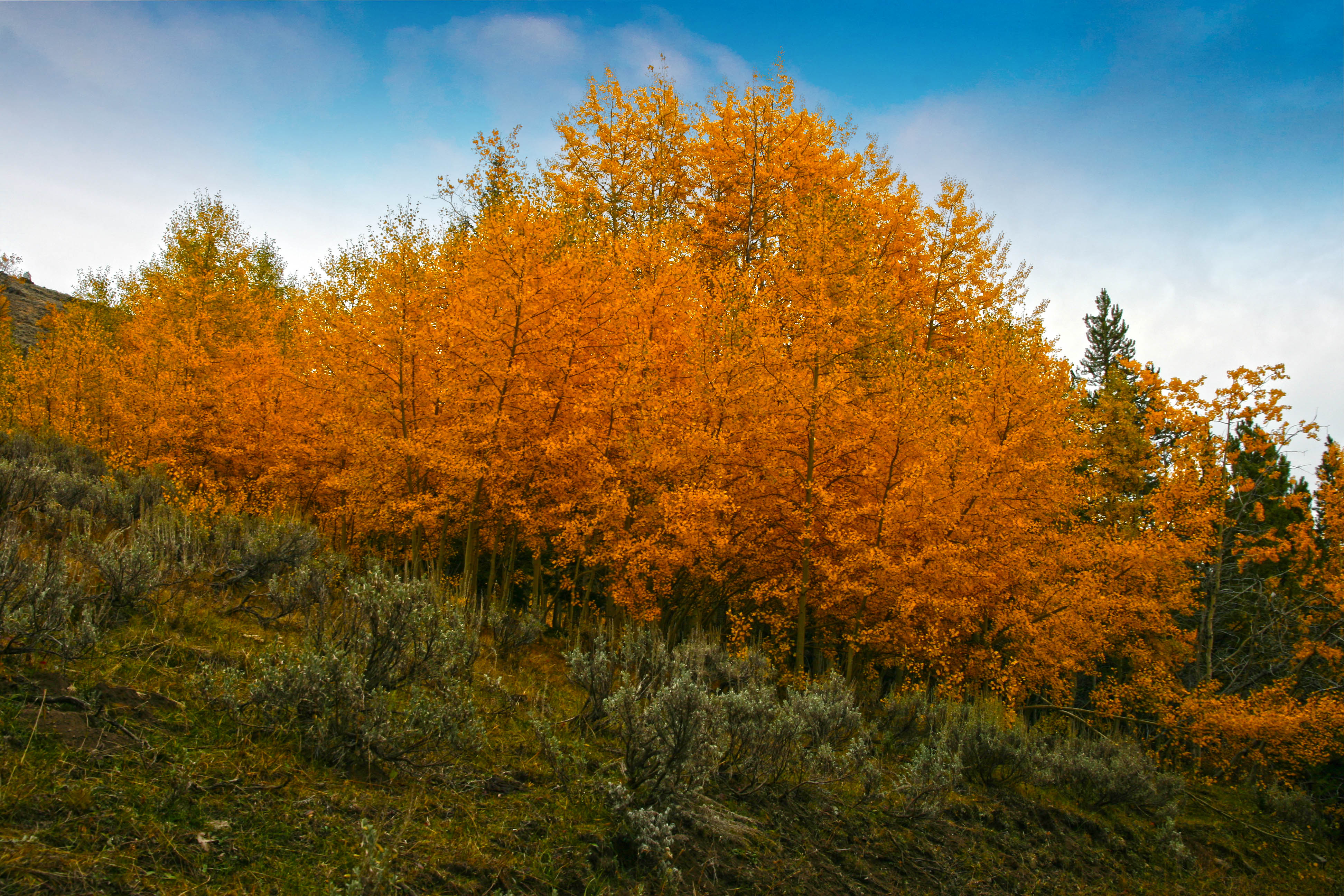
The trees along the road had a decidedly different look after only 4 days…
Reflections can add greatly to any photograph. There is something striking about reflections, they add depth, color, scale, texture and sort of pull you into the image.
 Mount Shuksan
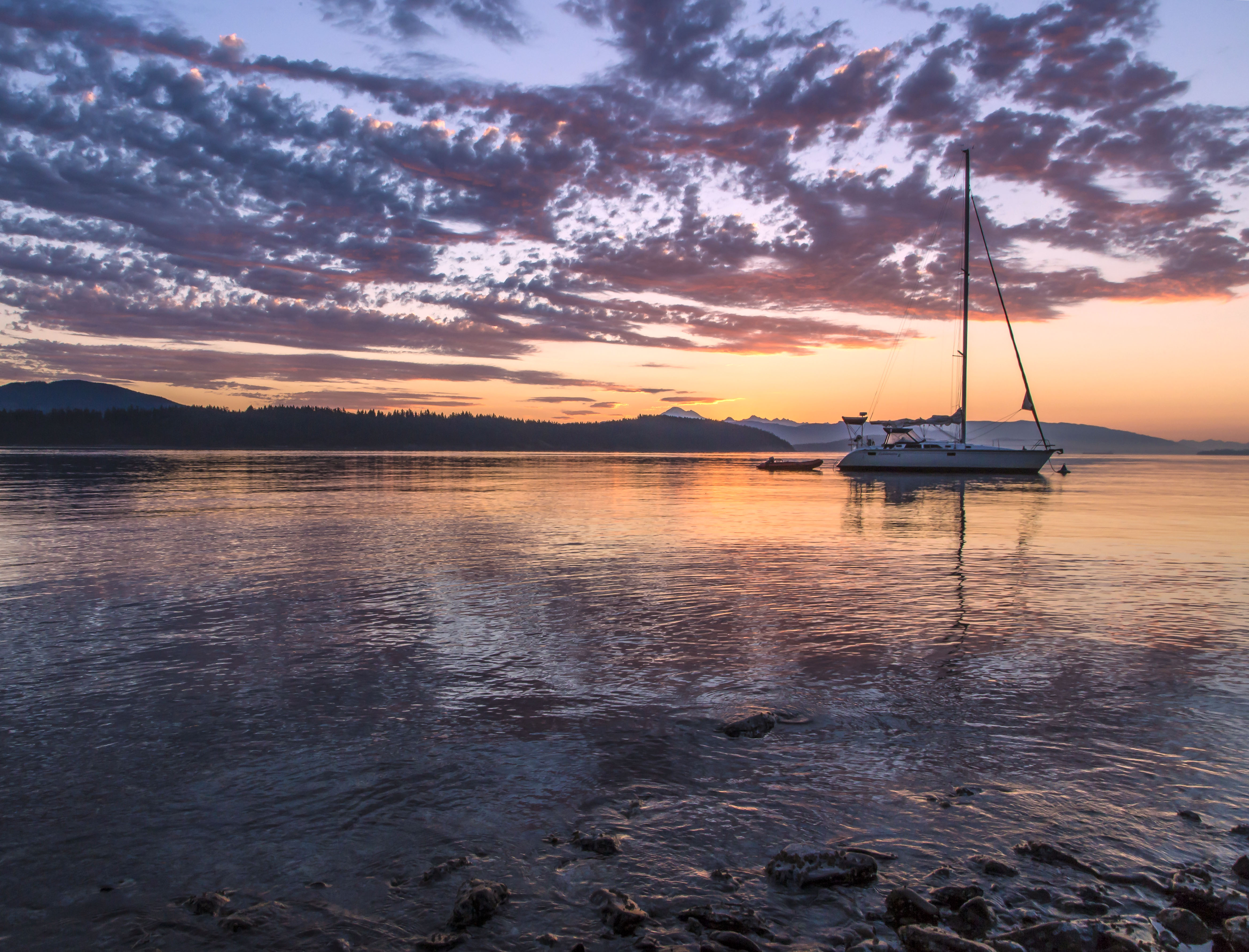 Cypress Island
One item you’ll need to capture reflections is a polarizer. Try to position yourself at a 45 degree to the light for best results and as you rotate the polarizer you’ll see the reflection pop out. Be prepared to get low, maybe on your belly to get the shot!
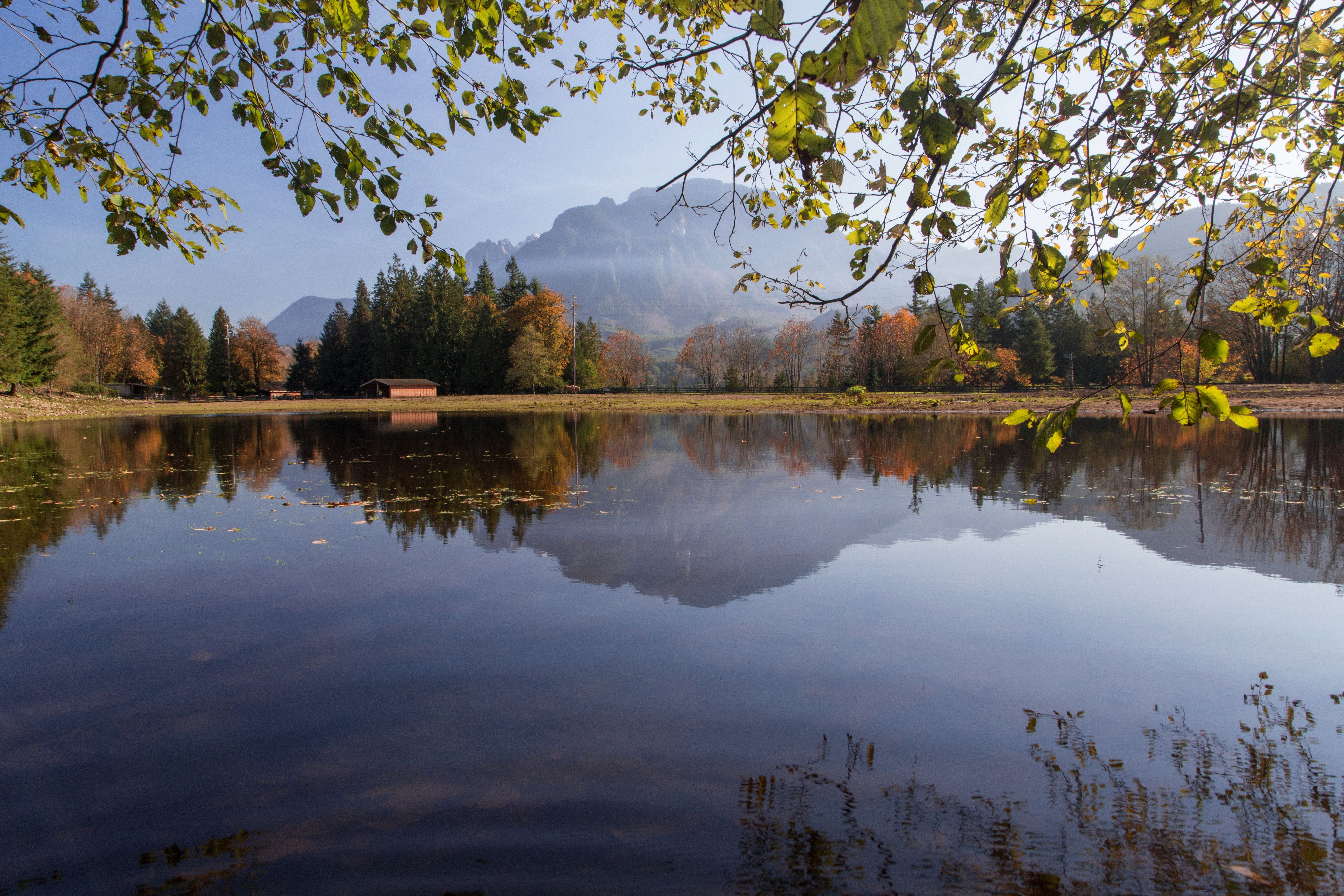 Pond along Reiter Road
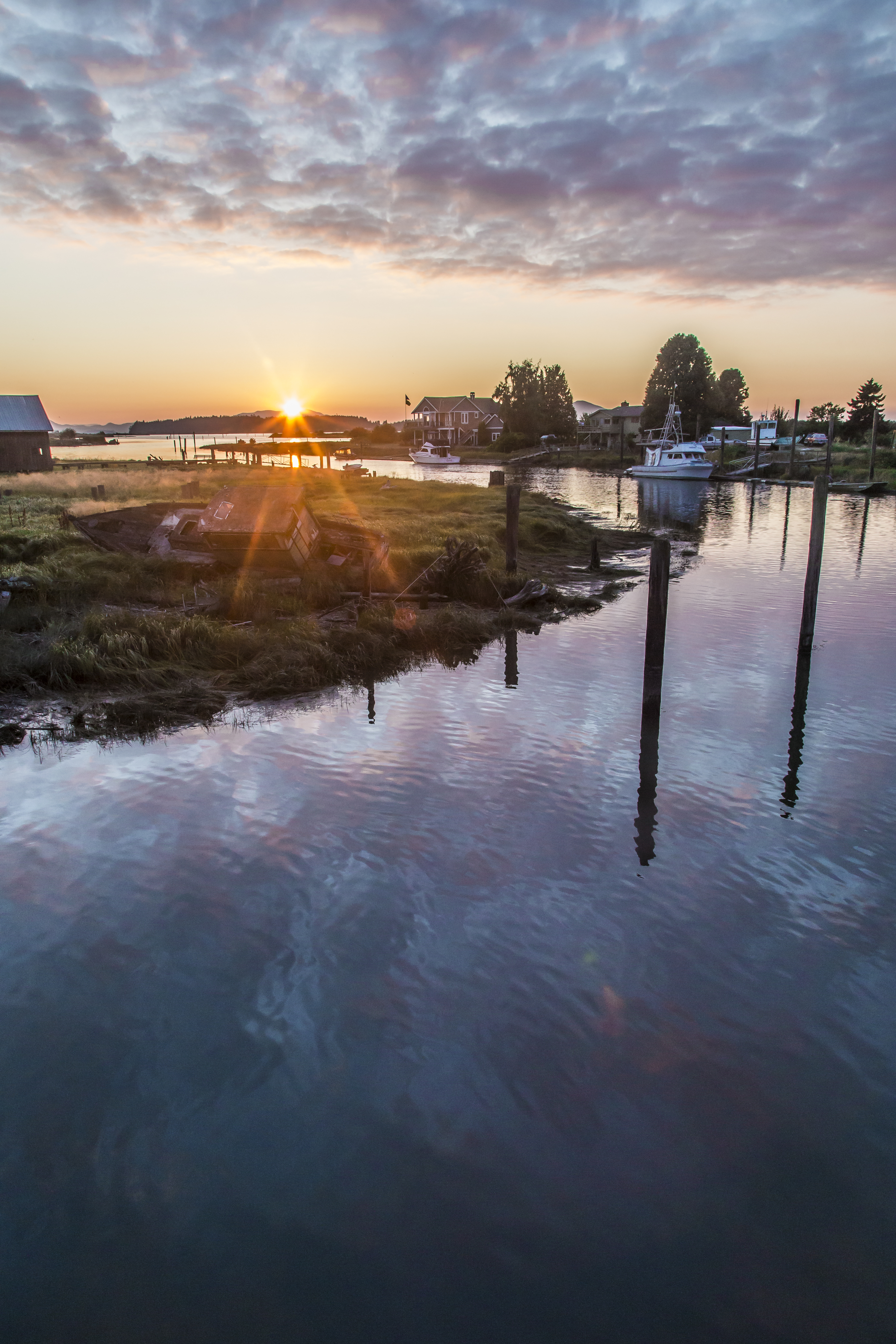 Boats along Samish Bay
I am always on the hunt for any size body of water.
 Balloon reflected in a artificial “pond”
 Sunset Through an Open Window
Small puddles work great!
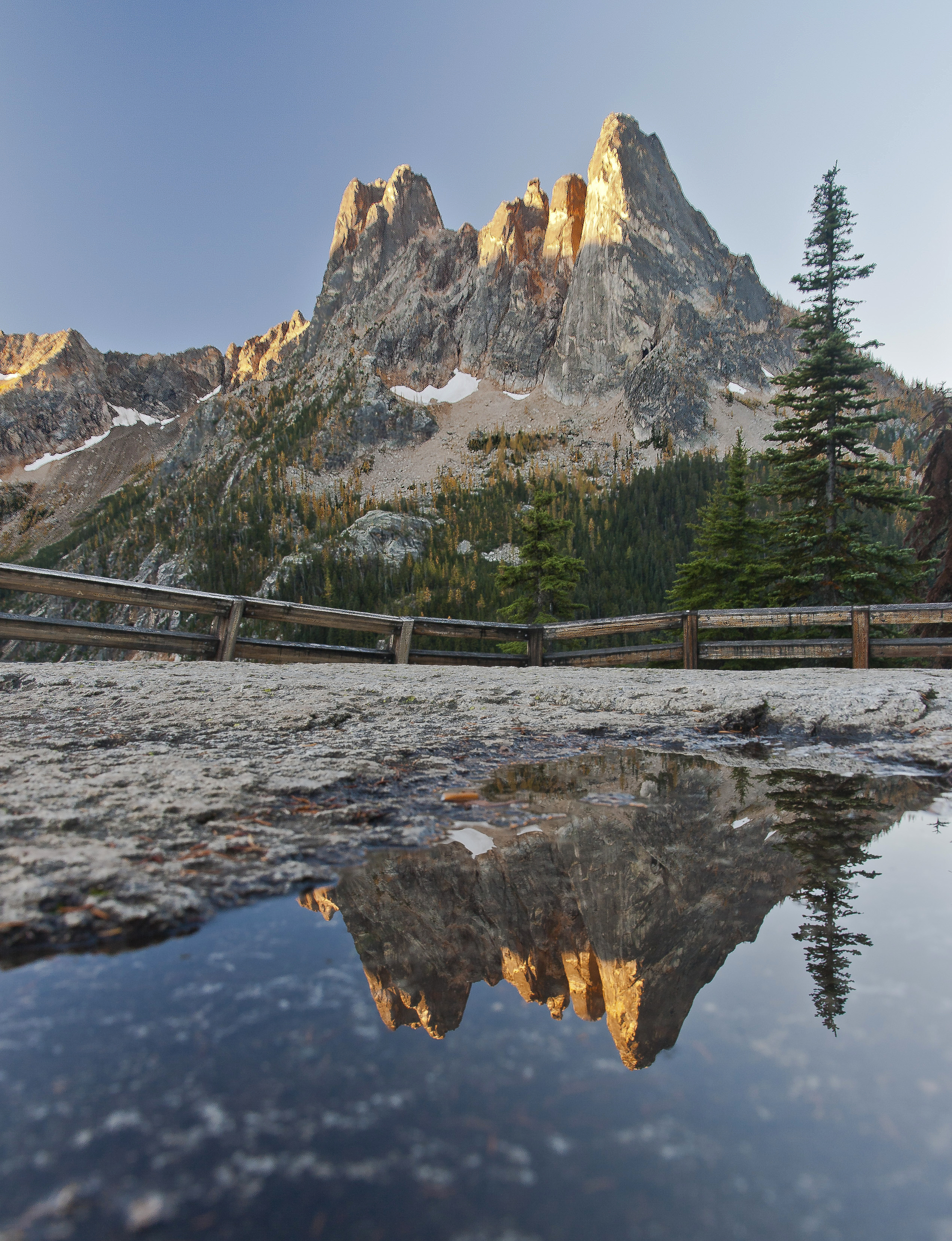 Liberty Bell from Washington Pass Overlook along the North Cascades Highway
The water does not have to be clear!
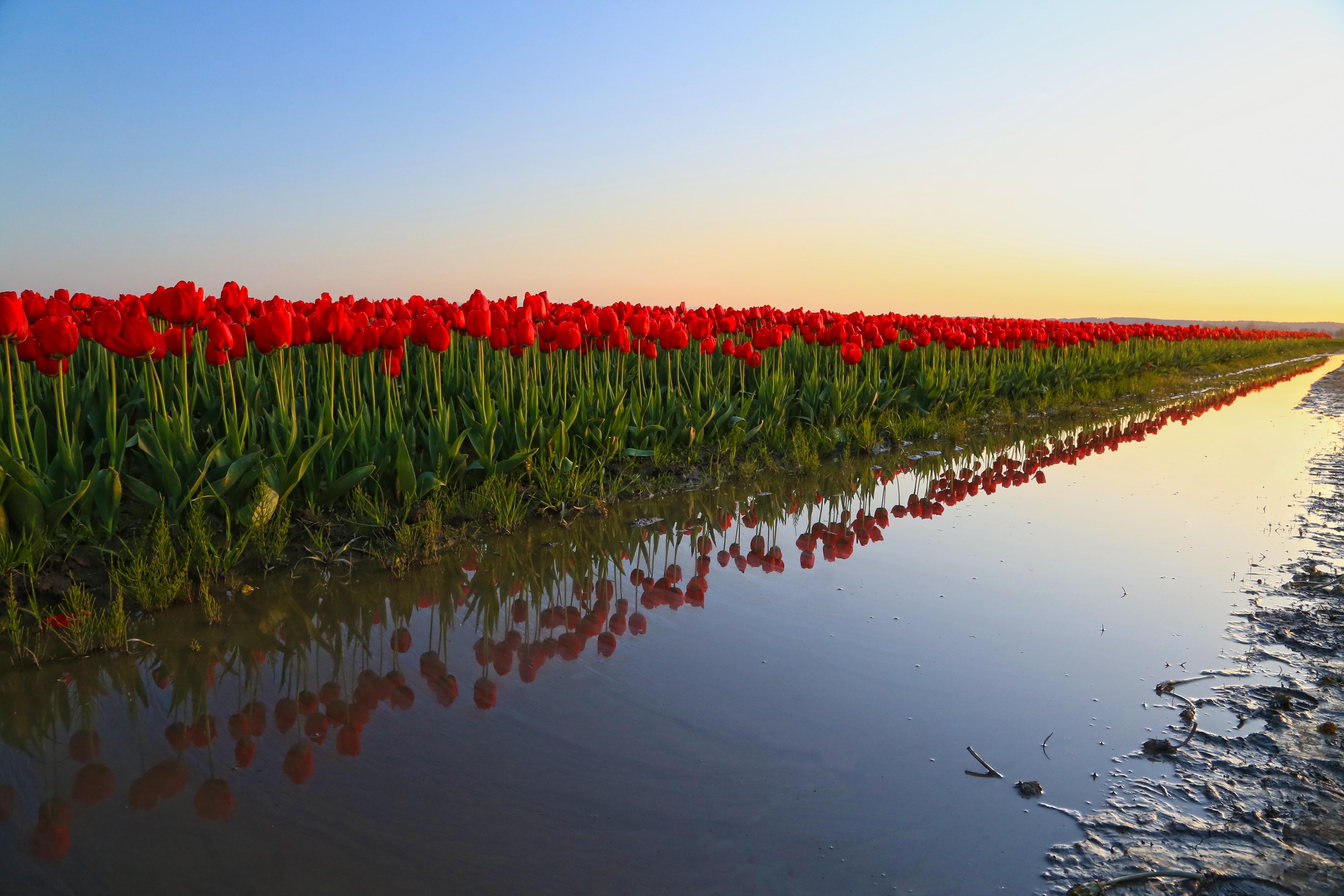 Tulips Reflected
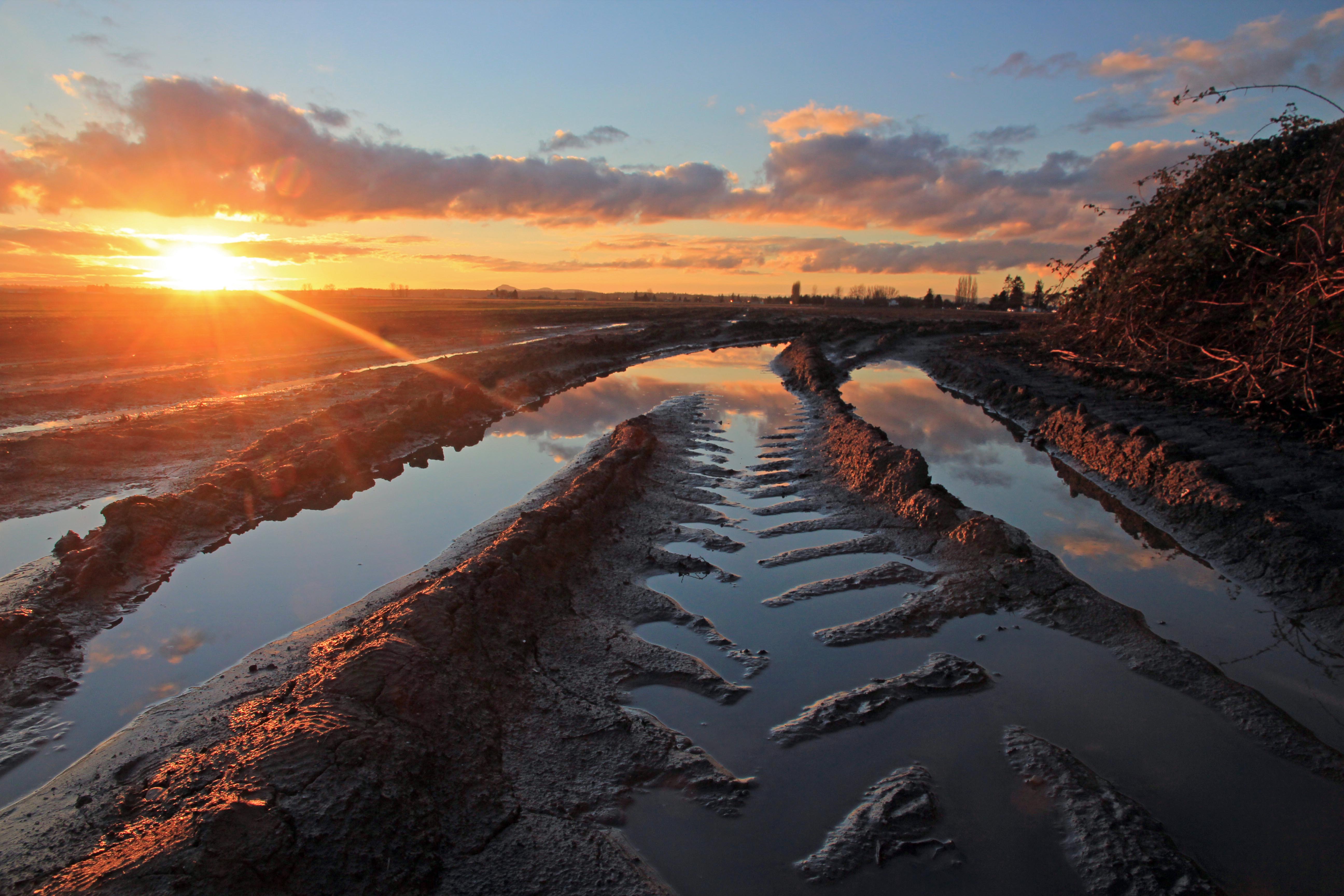 Mud Puddle Reflection
Even wet surfaces can create wonderful reflections.
 Reflections in Sand
Everytime you see any standing water, try for a reflection!
 Amphitheater Mountain Reflected, Pasayten Wilderness
 Squalicum Bay
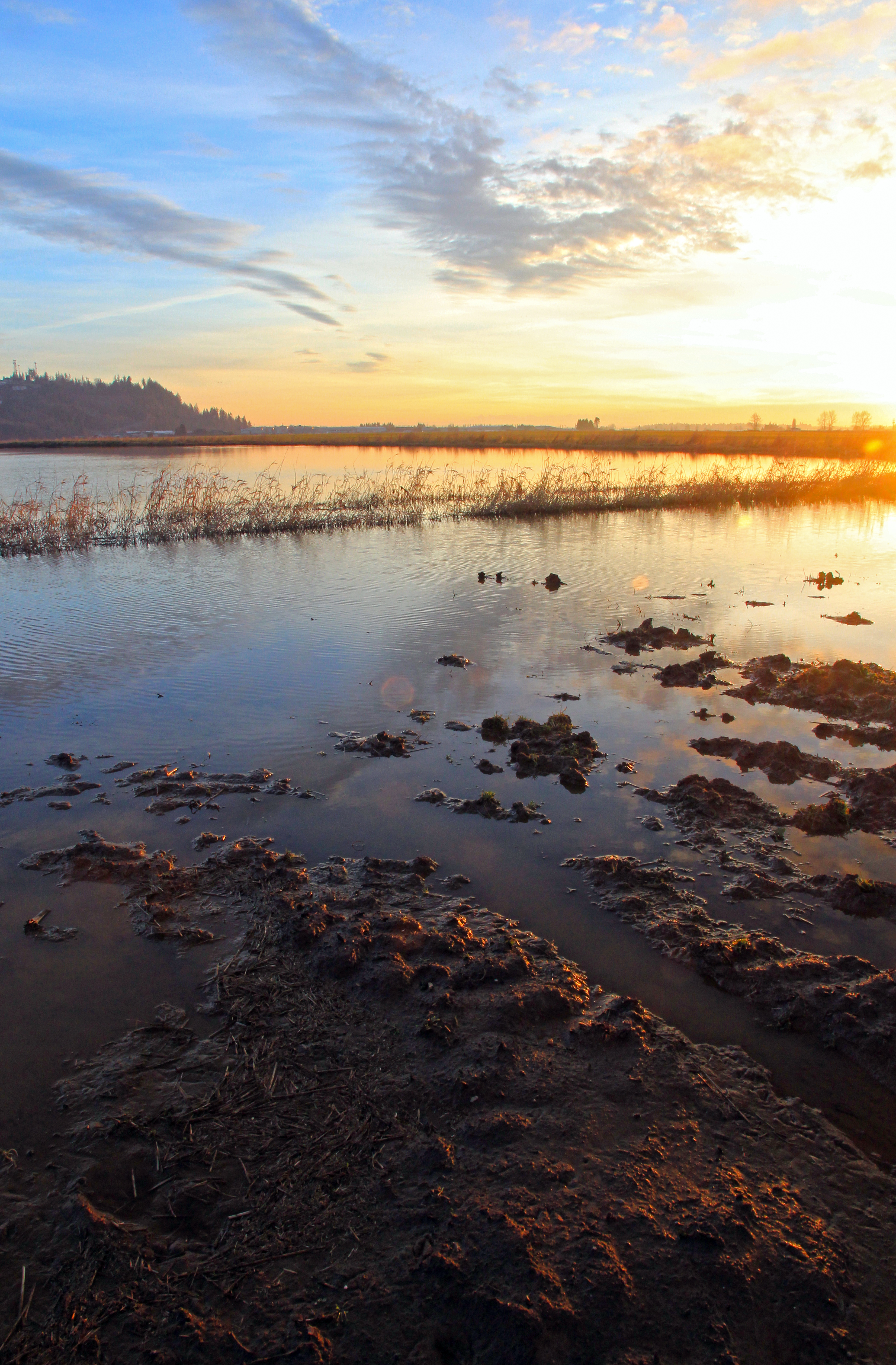 Sunset and Muddy Water
 Cirque of the Towers Panorama from Jackass Pass
The Wind River Range is located south of “more famous, but not more beautiful” Grand Teton National Park. The road to the Big Sandy Trail head is about an hours drive from the town of Pinedale, and easy to navigate in any type of vehicle. No permits needed, easy trails, and unbelievably spectacular views!
 Pingora Peak, Cirque of the Towers
 Early Morning Panorama
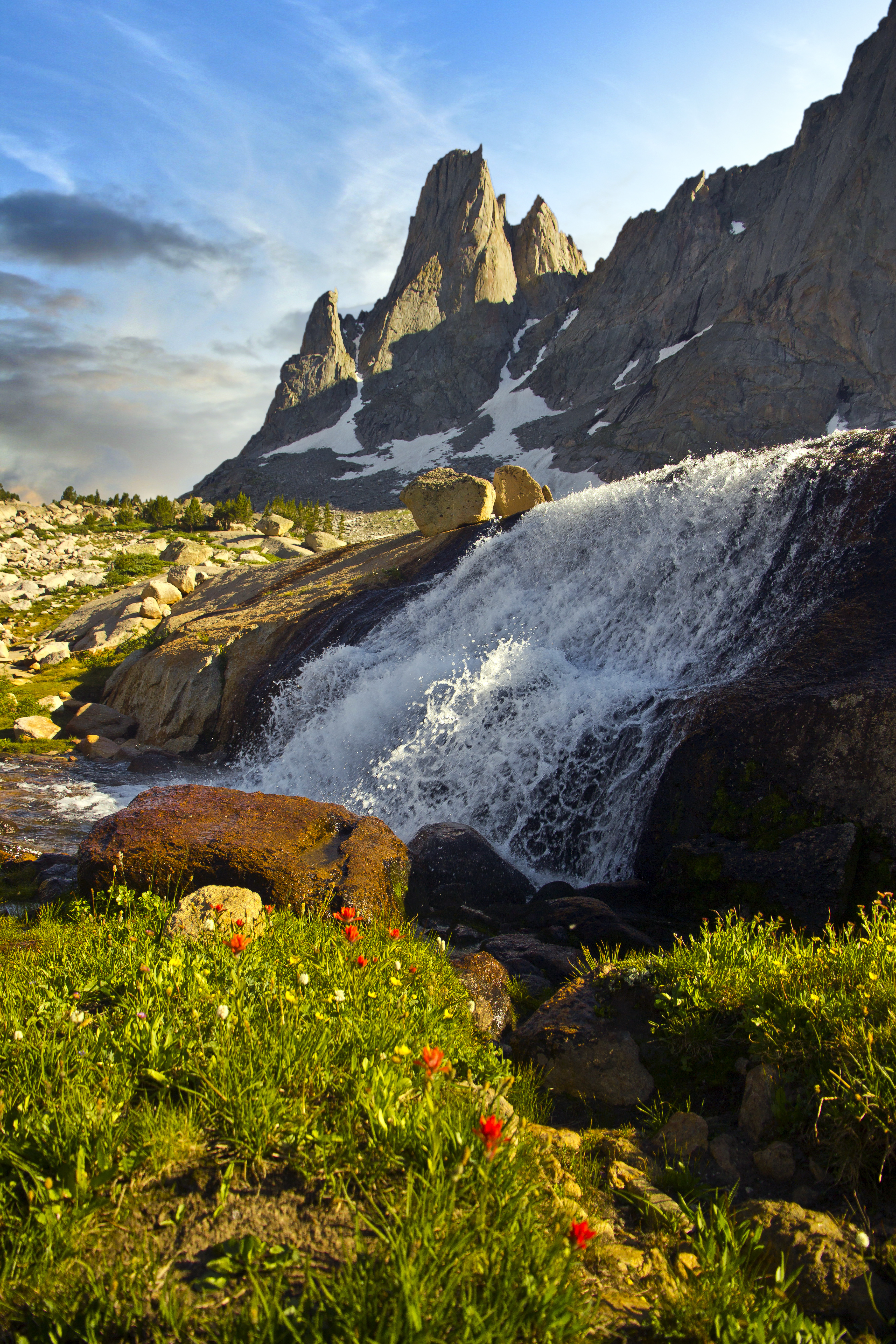 Warbonnet Peak
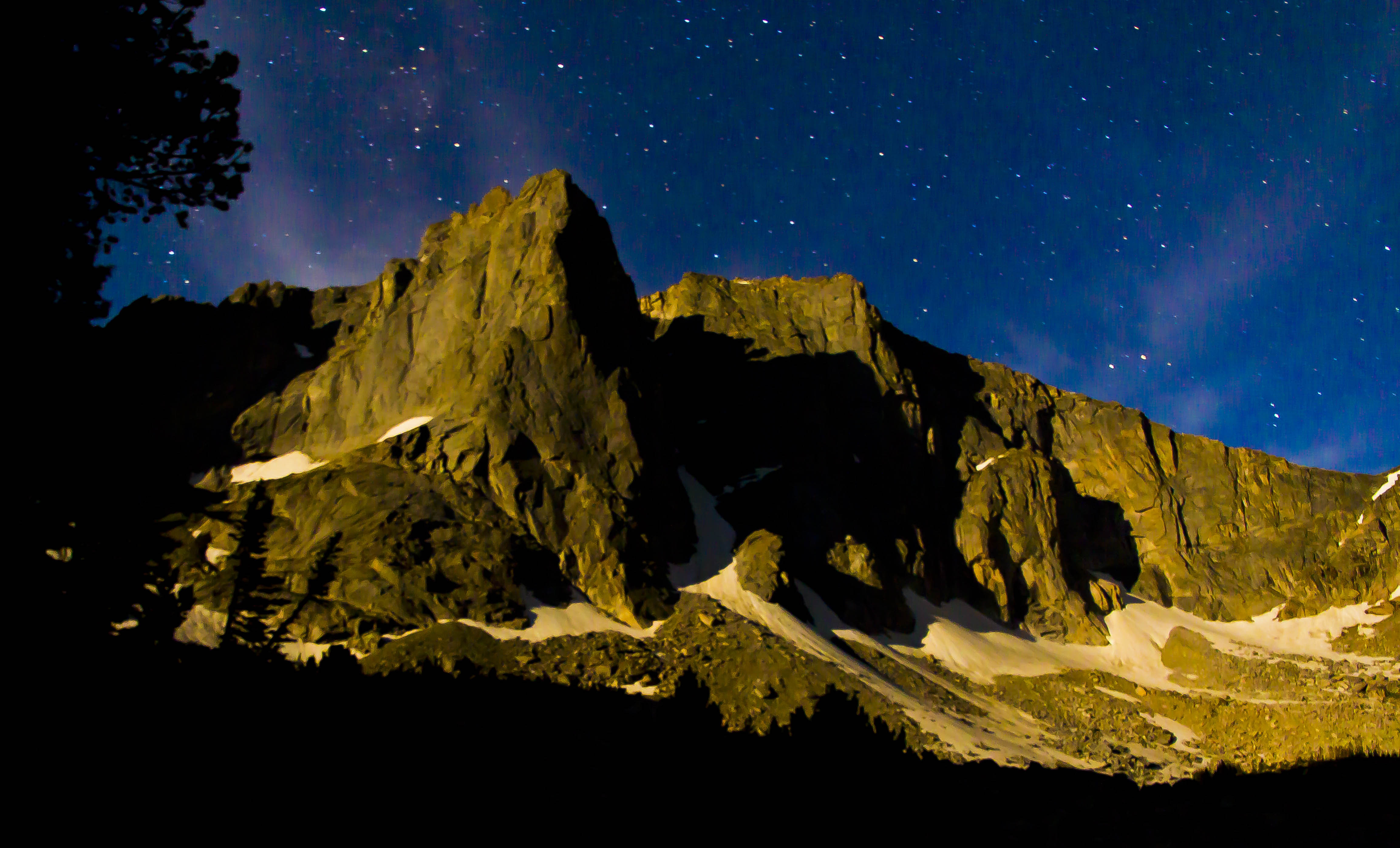 Warrior Peak in the Moonlight
 More wildflowers in the basin at Lonesome Lake, Cirque of the Towers, Wind River Range, Wyoming
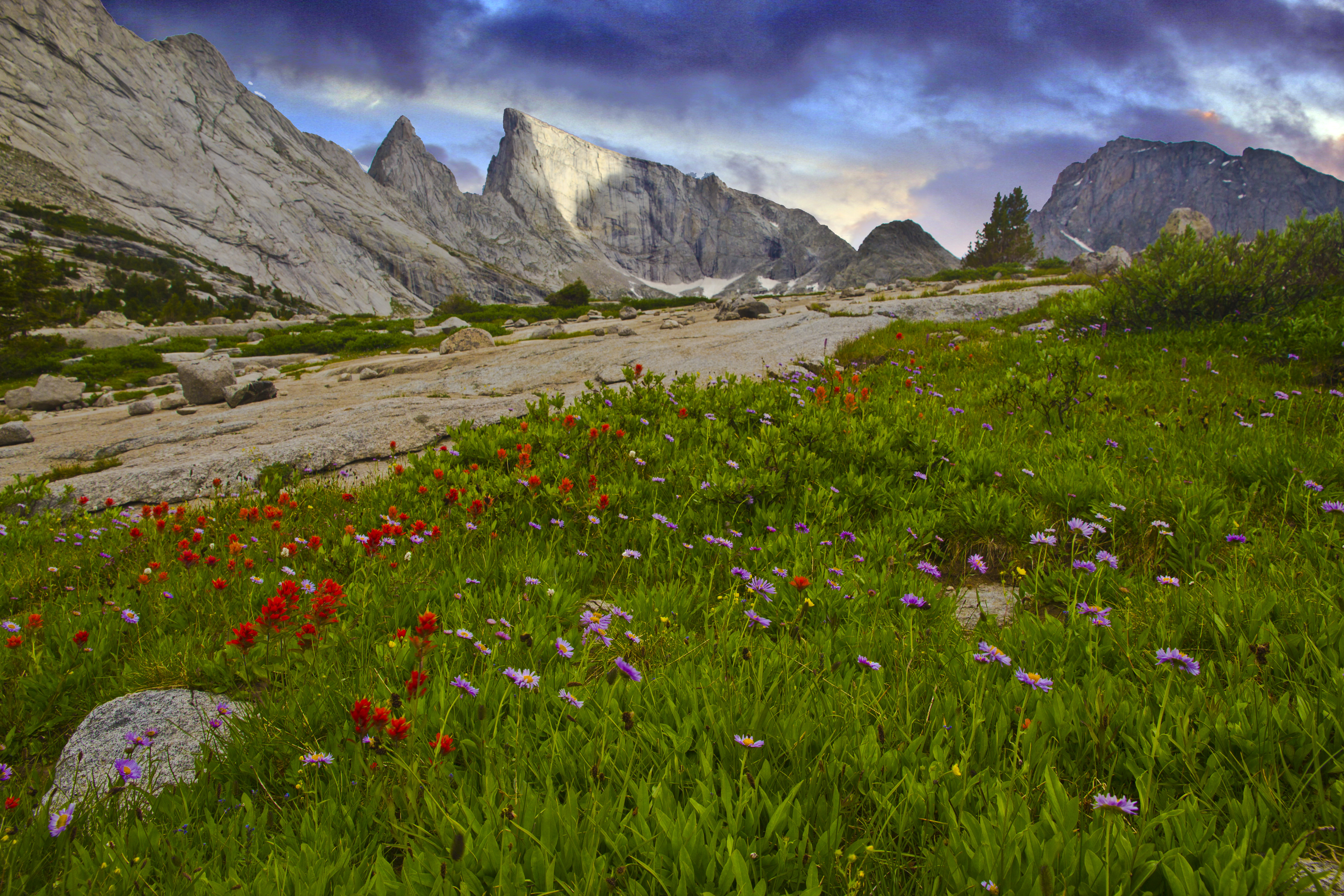 Steeple Peak and Lost Temple Spire from the trail to Deep Lake
 View from Deep Lake, Wind River Range, Wyoming
There many trails starting along the North Cascades Highway. The Pacific Crest Trail crosses at Bridge Creek, heading south. At Rainy Pass, on the north side, the PCT heads up to Cutthroat Pass. On the south side of the highway is the famous Maple Pass – Lake Ann Loop.
The trail is about 7 miles long, climbing from the road past a spur trail to Lake Ann and then heading up to Heather Pass. The views of Lake Ann along the way are super. The trail continues past Heather Pass up to a border with the North Cascades National Park and then turns, ascends a short distance to Maple Pass and the plunges down switch backs back to the parking area.
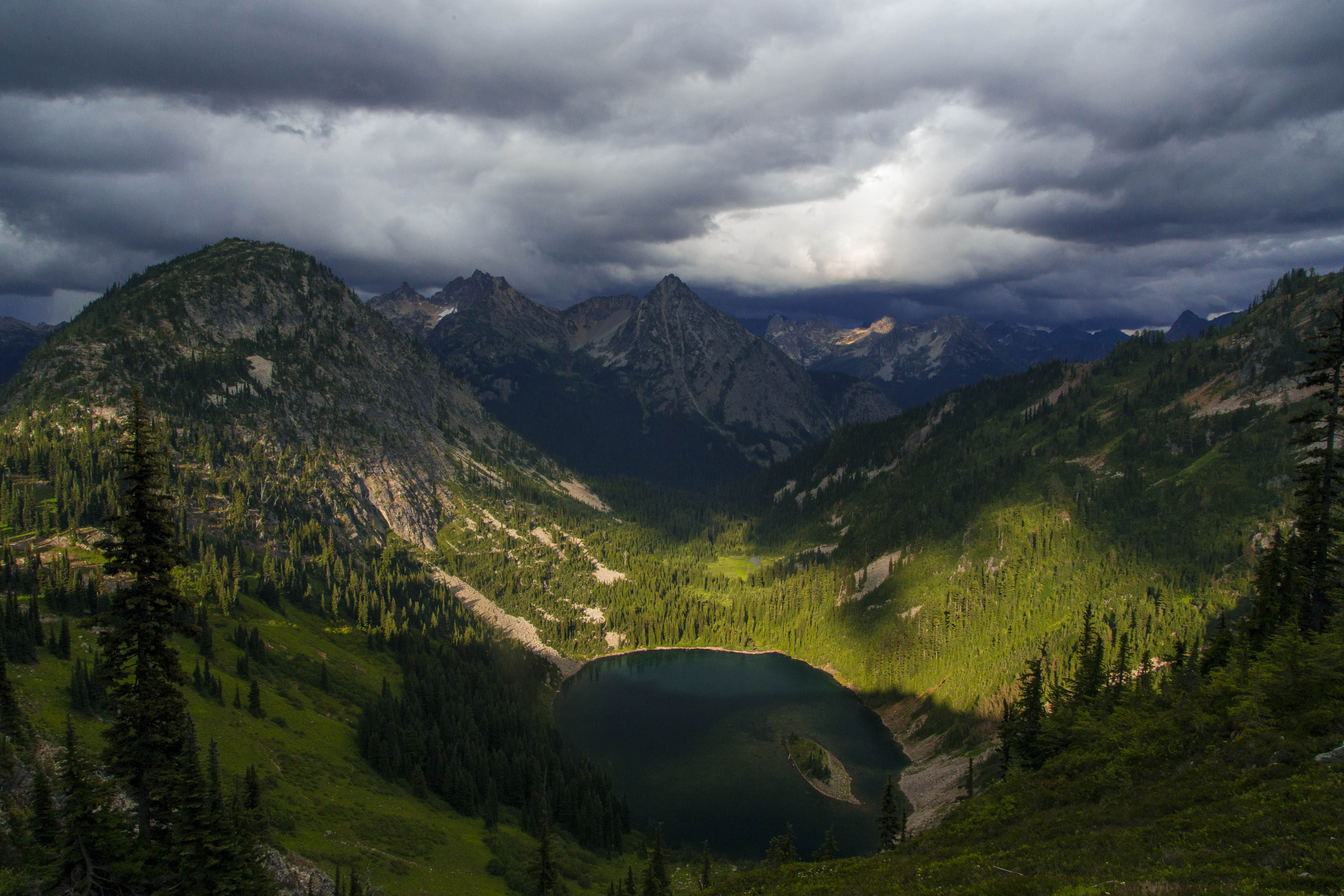
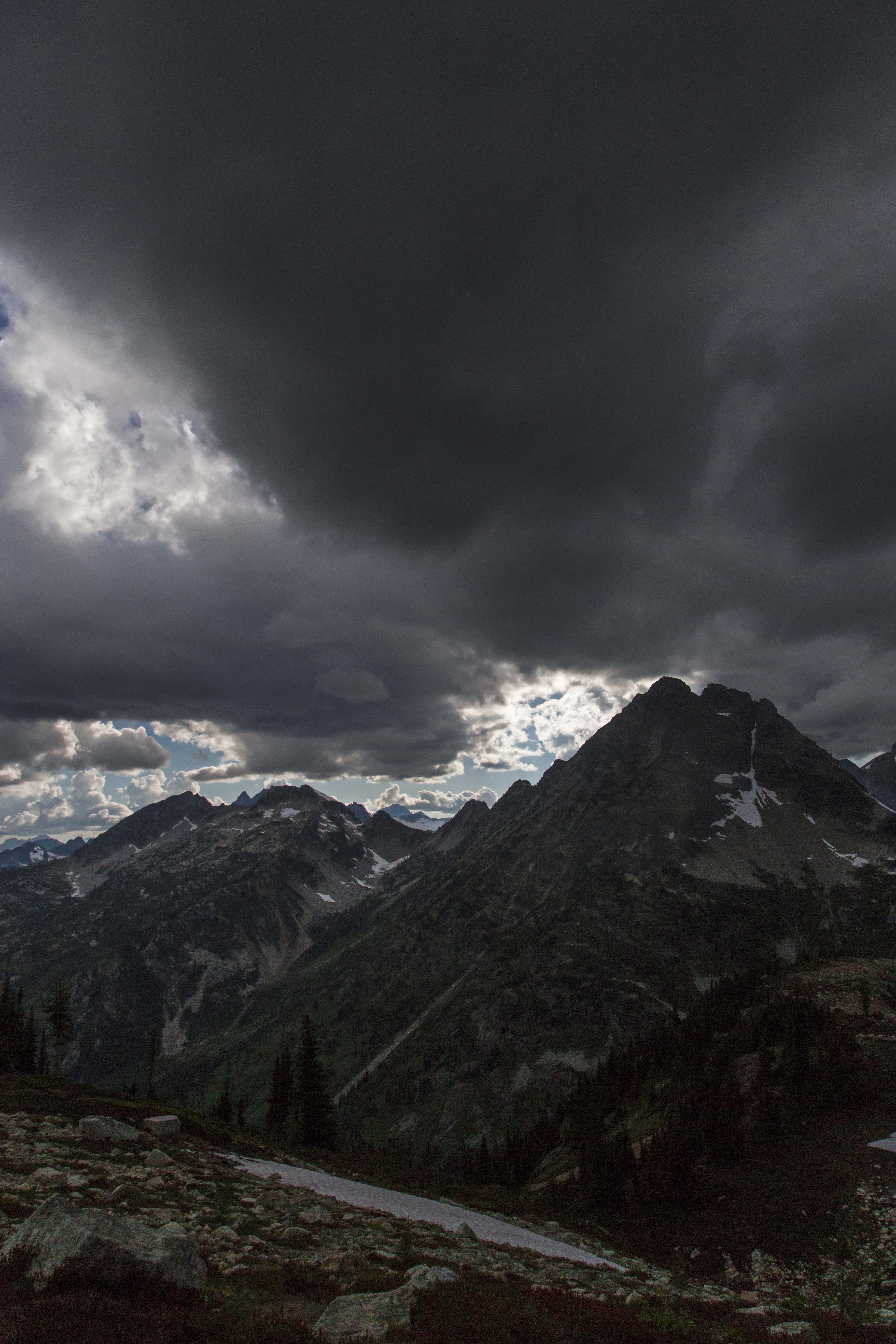
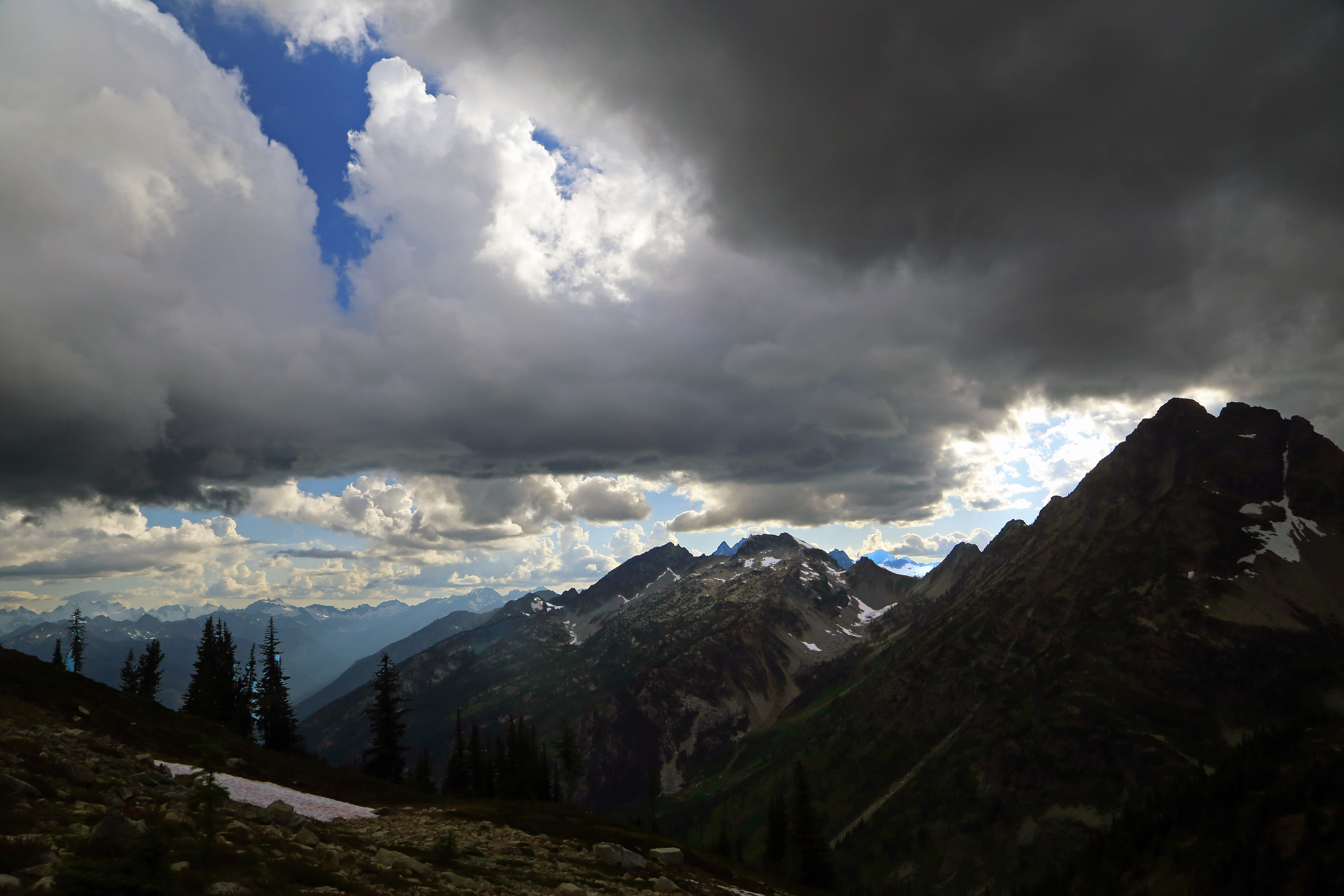
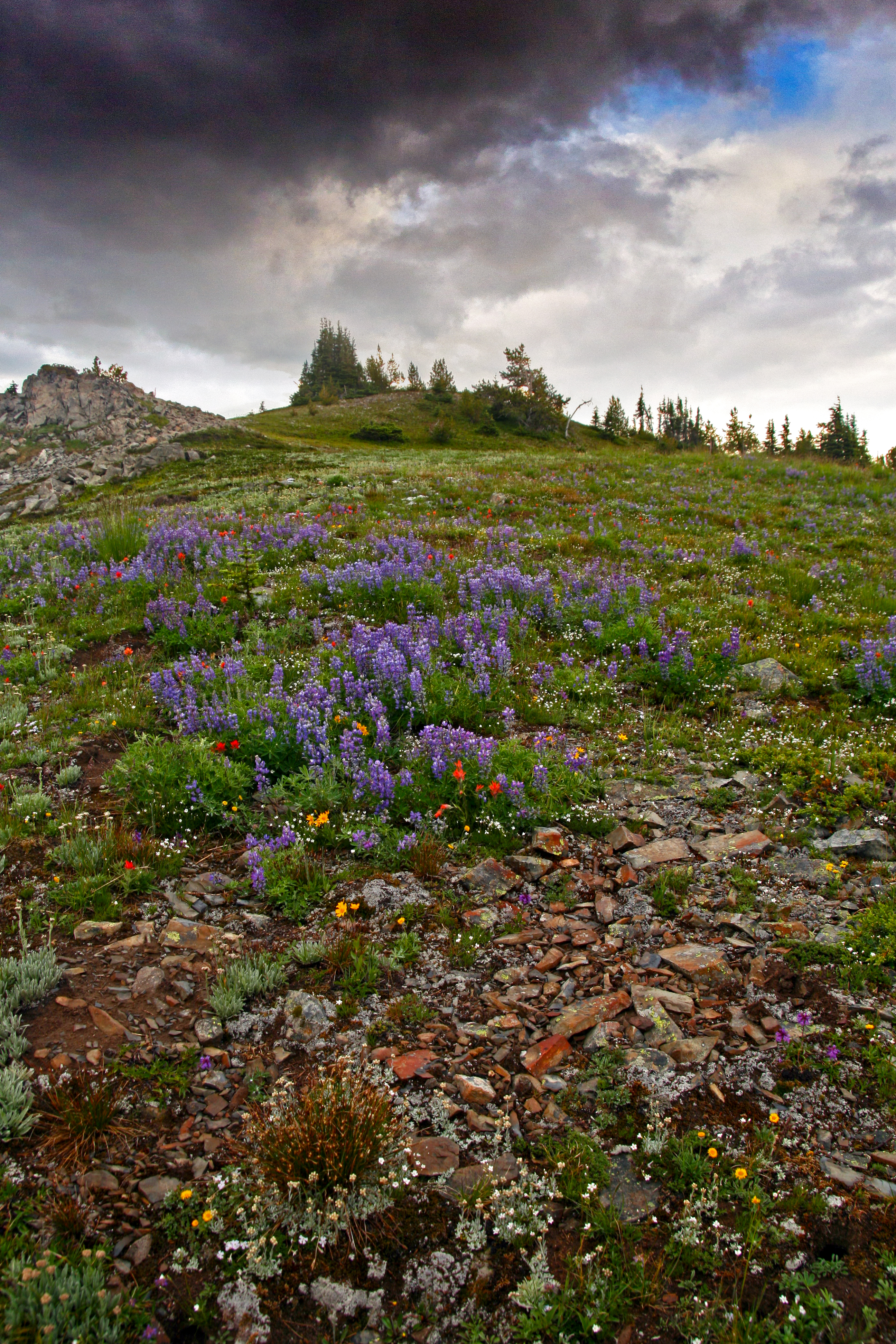
This August I wanted to go hike but the weather report called for storms in the mountains, however down in the valley, where I live the sky was blue, so I headed up and well…these images show the rest!


 North Western Images - photos by Andy Porter