Photo Shoot at Crystal Mountain Resort

Last summer my friend asked me to come along on a nighttime imaging expedition. The plan was to capture images of Mount Rainier from the Crystal Mountain Resort.

Crystal Resort 2015 6

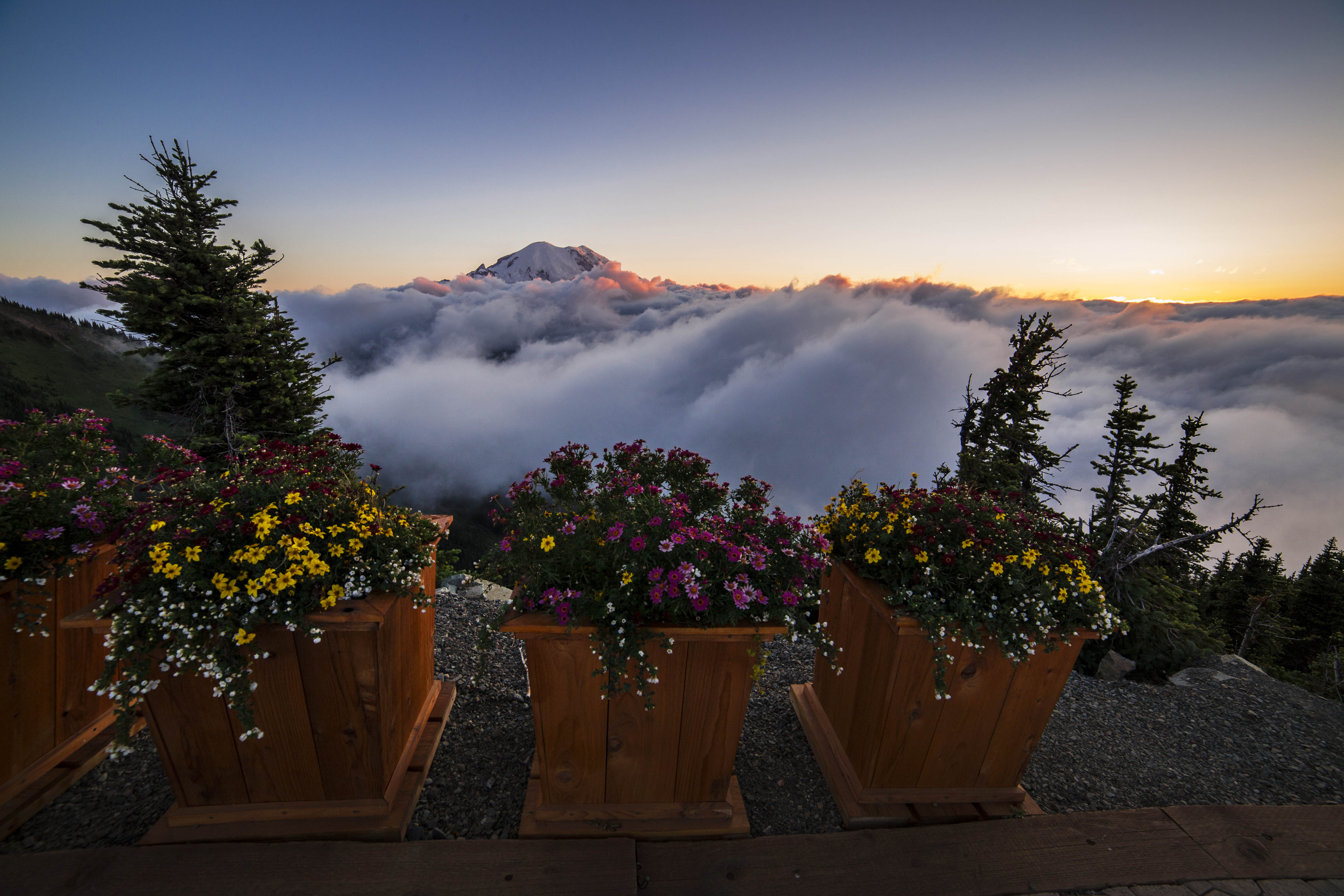
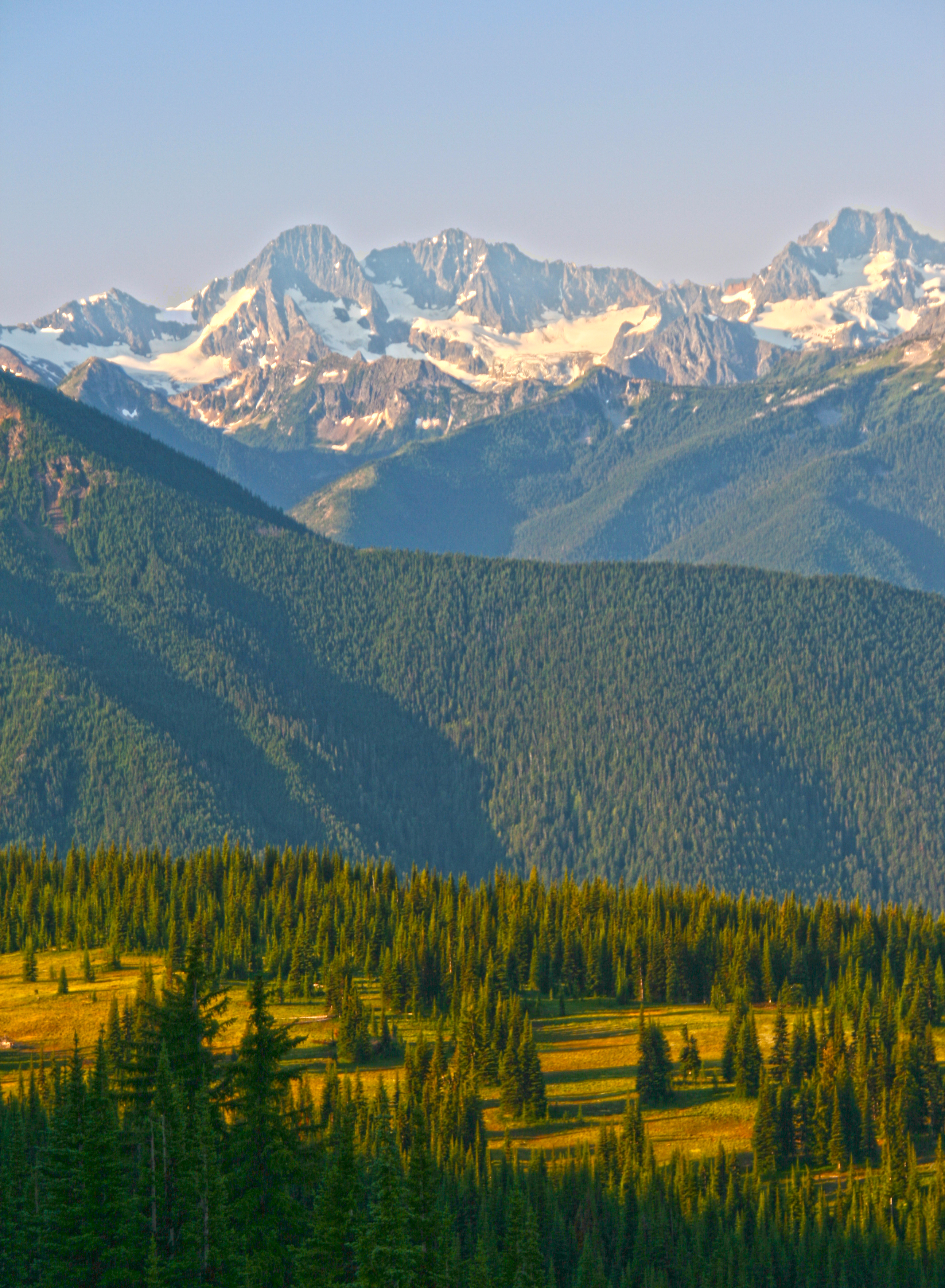
Mr Rainier and early evening light


Crystal resort 2

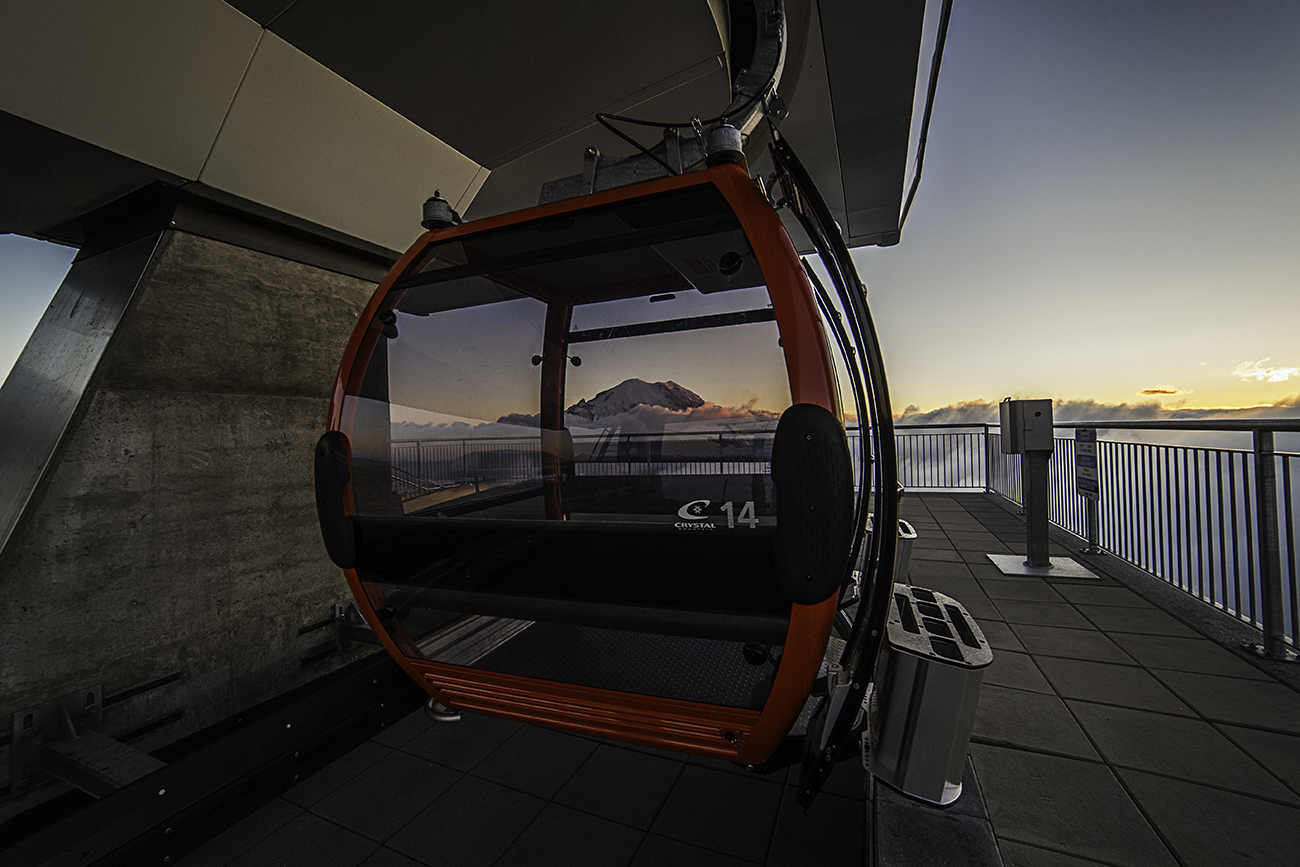
Gondola and Mount Rainier


The expedition aspect turned out to be pretty mild, we rode the gondola up to the resort and hung around all night, eating, drinking and once in a while taking pictures of the wonderful views!

Crystal Resort 2015 7

Preparing for photo action!


Mount Rainier just after sunset

Mount Rainier just after sunset

Here are images of the night’s activities!

crystal people 1

Evening light at Crystal Resort

Crystal Resort 2015 1

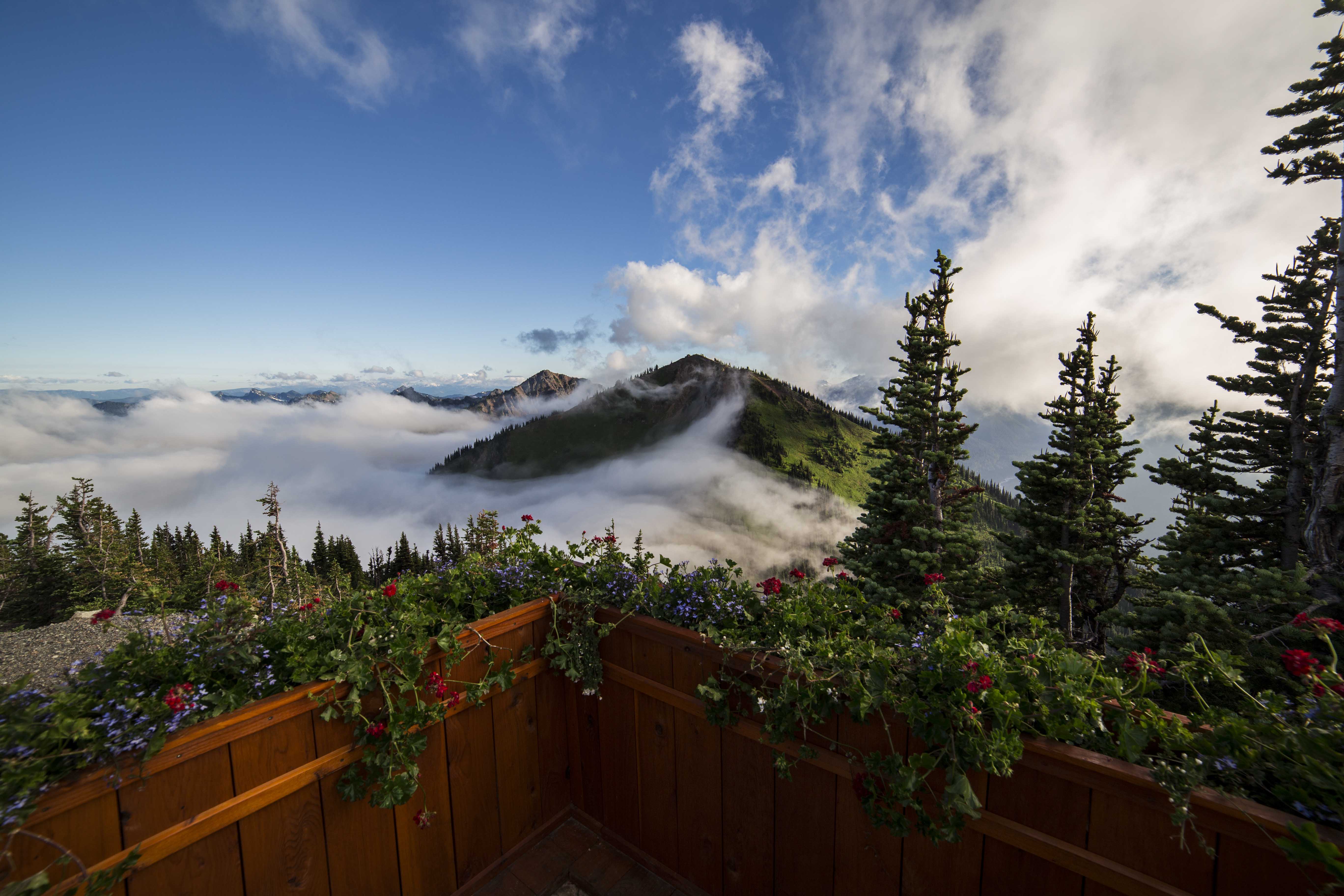
View from the Crystal Resort Restaurant


Crystal resort 1

Capturing snap shots in the evening light


Crystal Resort 2015 3

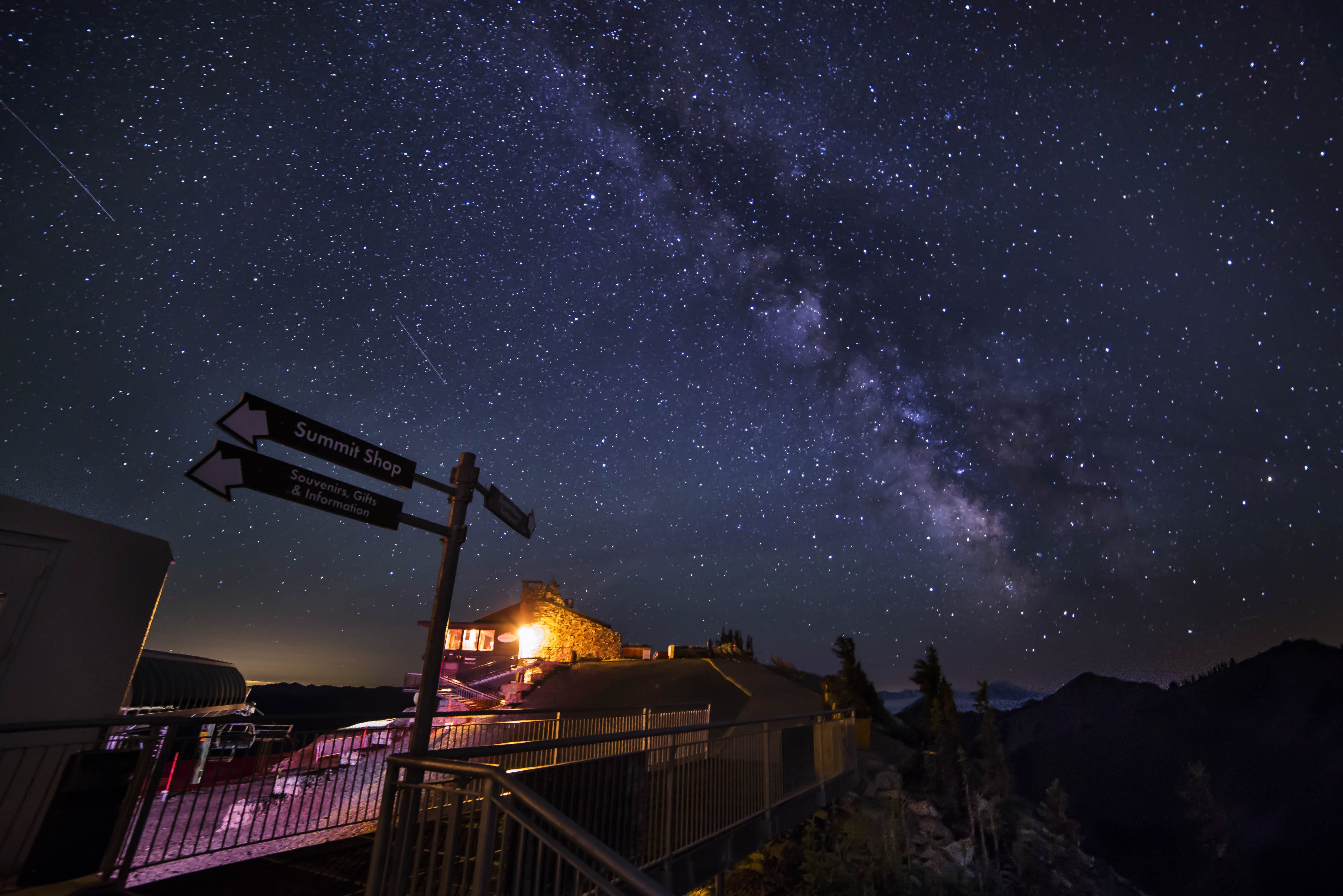
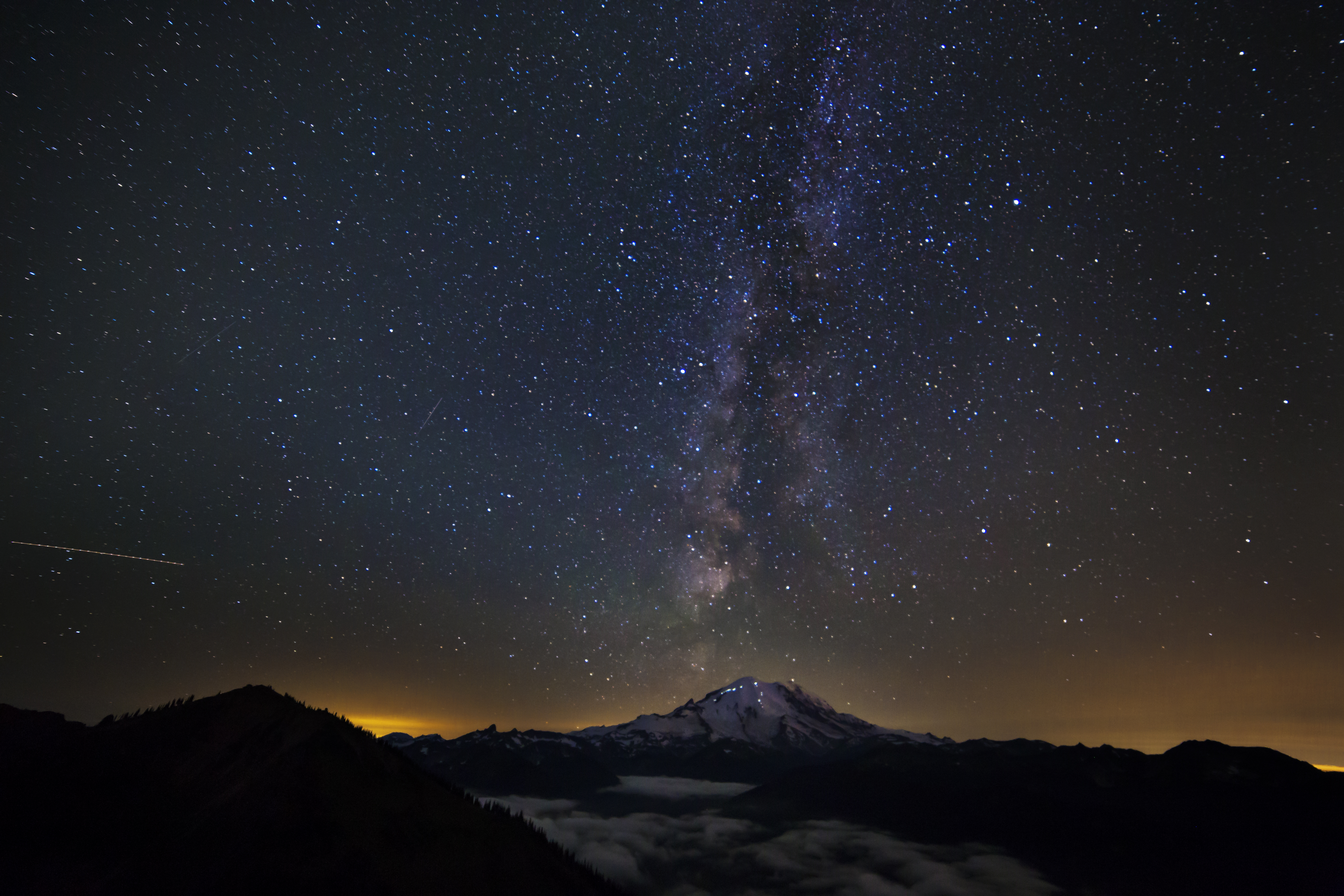
Milky Way


Crystal Resort 2015 4

Gondola Station


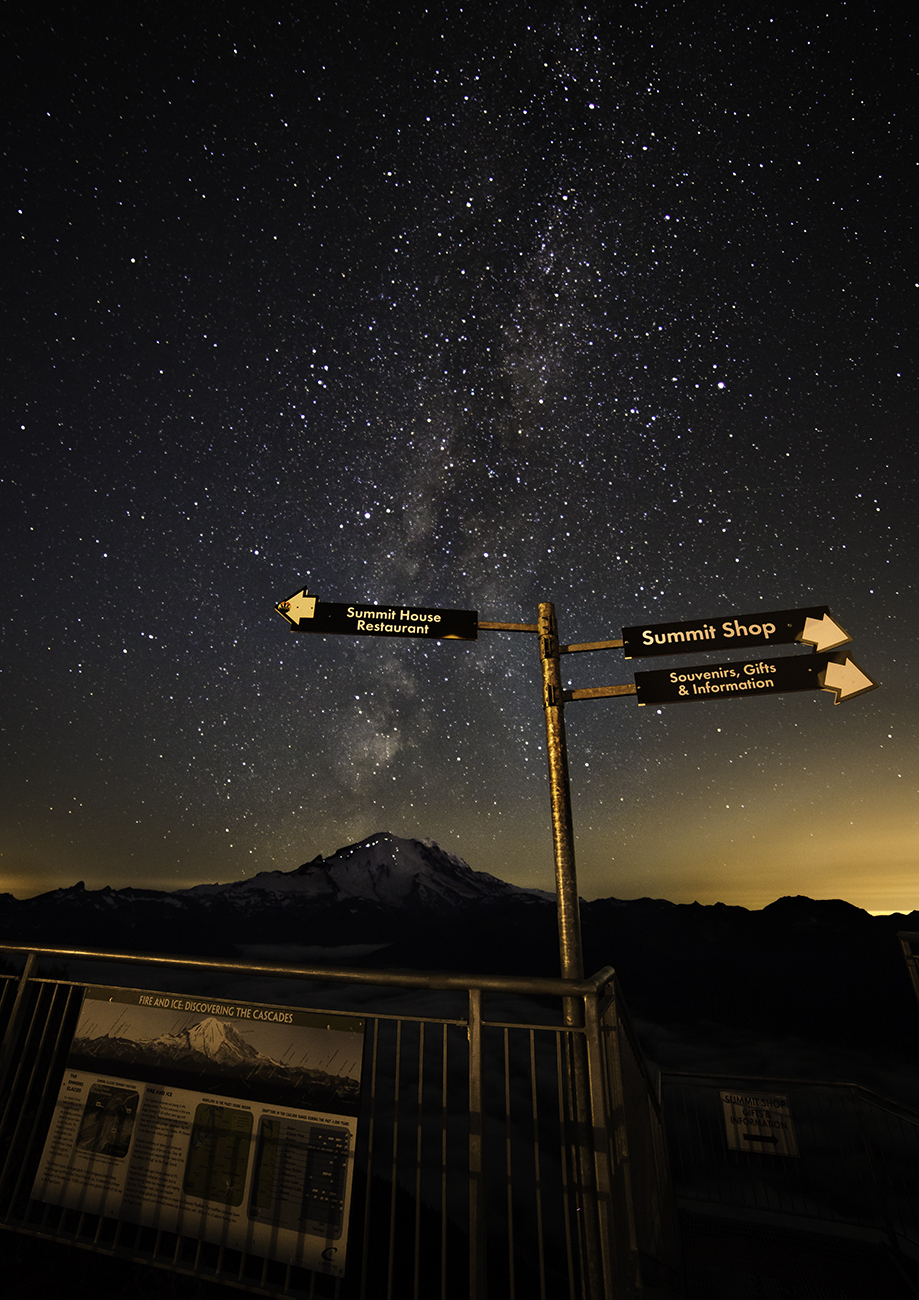
Crystal and signs

Directions to Summit House


MR 101 horiz

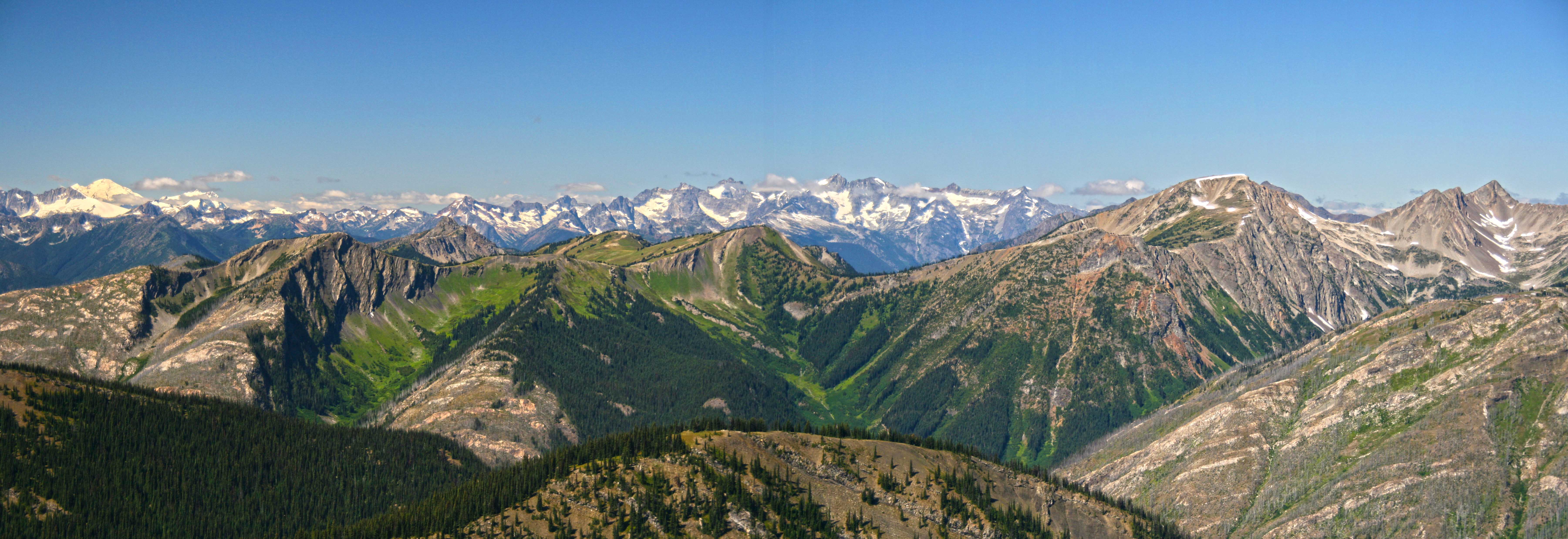
Mount Rainier


mr

Mount Rainier from Crystal Mountain


mr 101

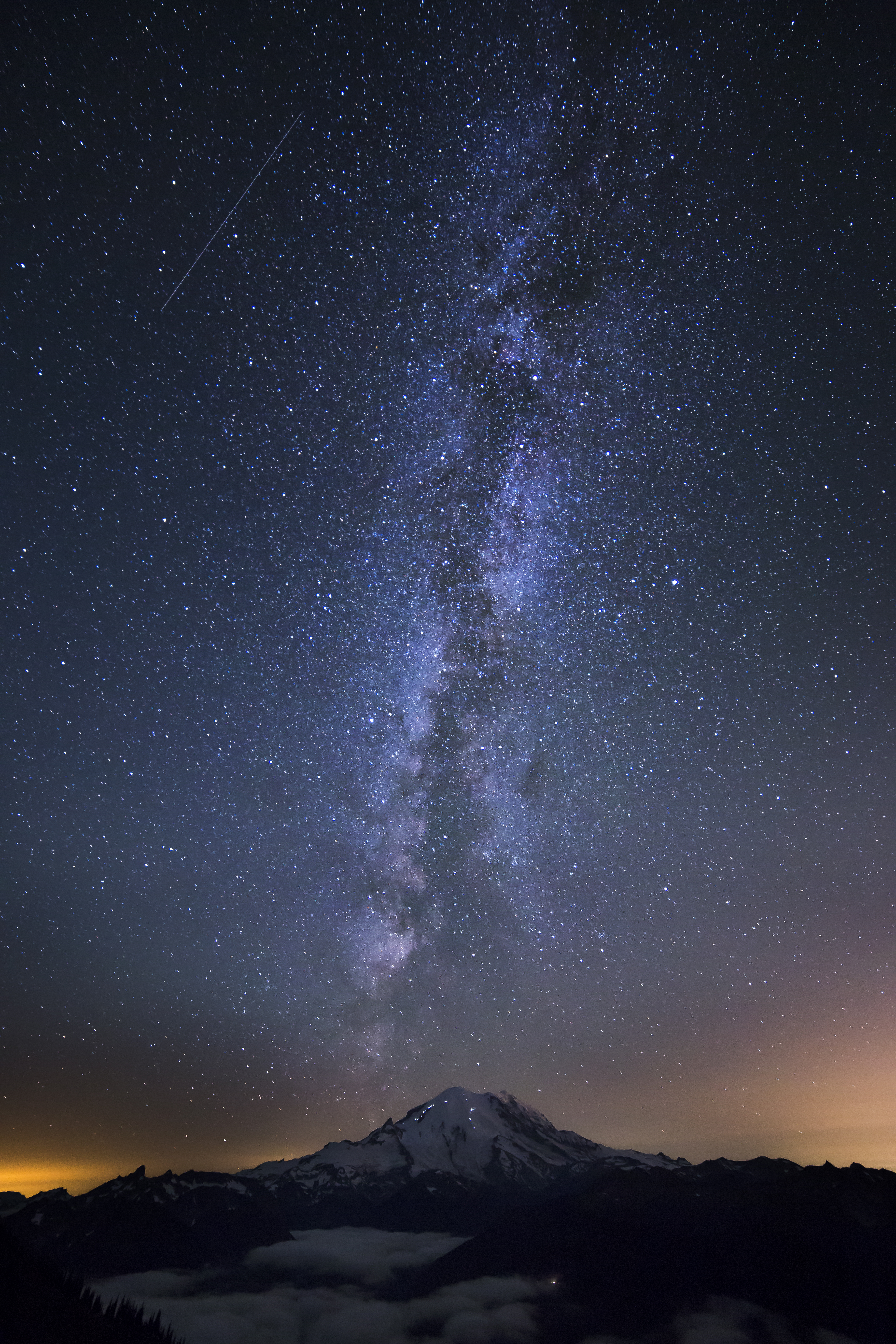
Milky Way above Mount Rainier


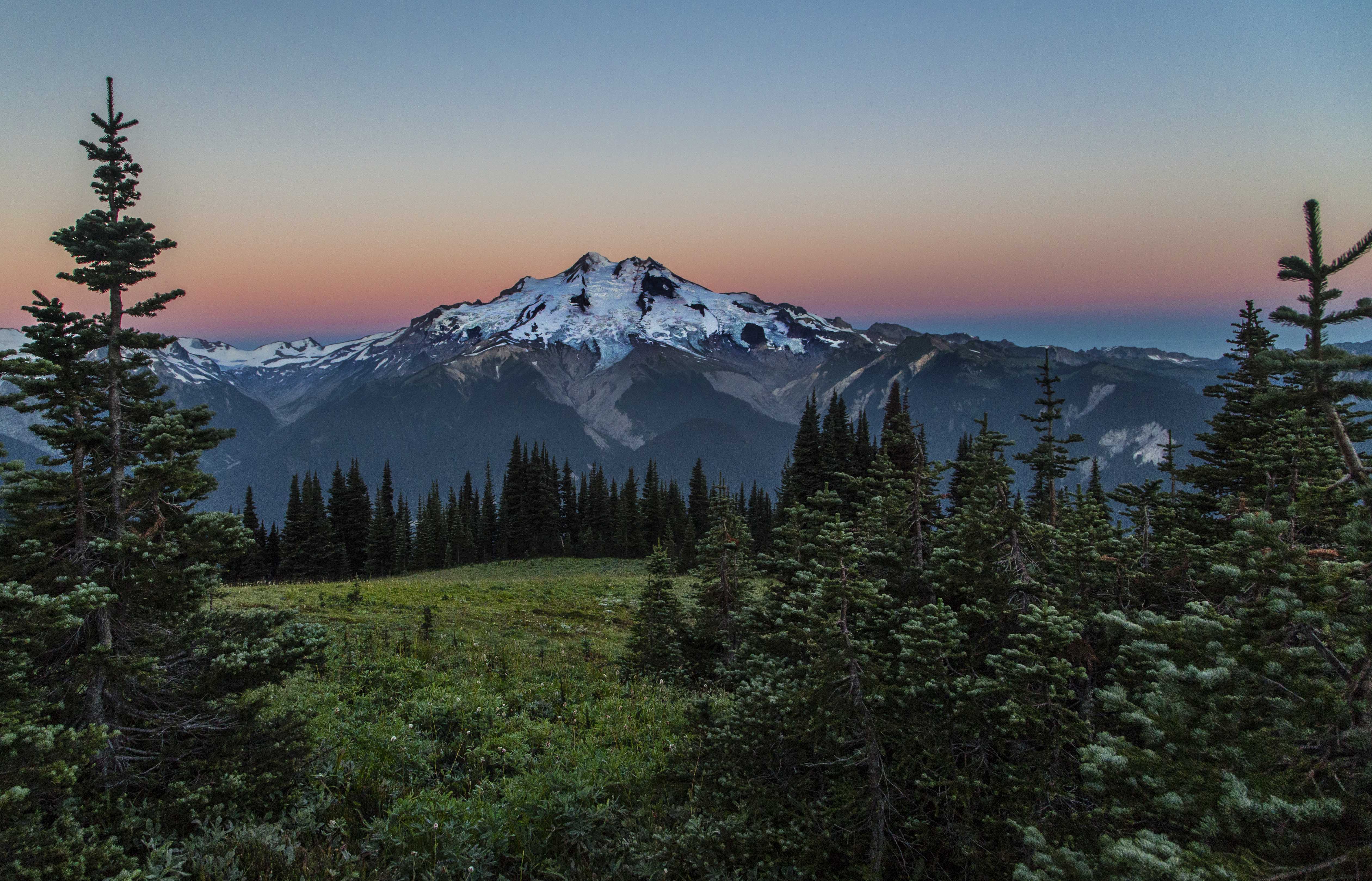
Glacier Peak at Night and the Morning After

The Glacier Peak Wilderness, located in the North Cascades of Washington State, is one of the lower 48’s most remote wilderness areas.

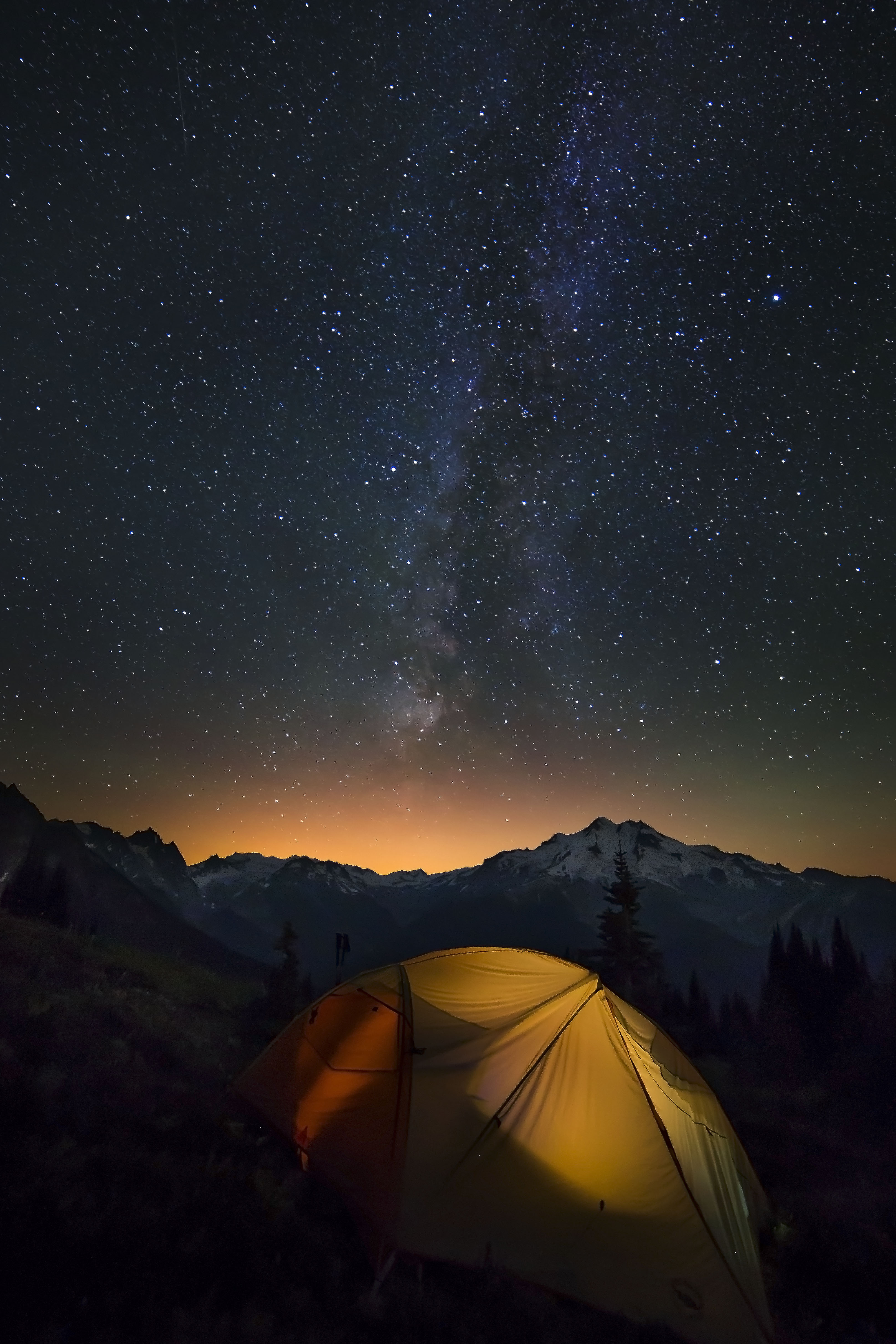
Glacier Peak with Tent and Stars

Glacier Peak with Tent and Stars


Glacier Peak in the Morning Light

Glacier Peak in the Morning Light

“North Cascades: The Wild Near By” Book Release Event in Mount Vernon!

Mount Shuksan

Mount Shuksan


Celebrate the release of “The North Cascades: Finding Beauty and Renewal in the Wild Nearby” by Braided River with all three authors in downtown Mt. Vernon, just blocks away from the mighty Skagit River.
Date and Time: Wednesday, November 5 at 7:00pm
Location: Skagit Station 105 E. Kincaid Mount Vernon, WA. 98273
This new conservation title explores the natural and cultural history of the North Cascades in lyrical words, informative maps and inspiring photographs. It features new work from Pulitzer Prize–winning author William Dietrich, prolific guidebook writer Craig Romano and interviewer and essayist Christian Martin, as well as a foreword by Richard Louv, fire lookout journal entries by Gary Snyder and photographs from Paul Bannick, John Scurlock, Andy Porter, John D’Onofrio, Brett Baunton, Ethan Welty and Art Wolfe and many others.
I will be there and provide a short slide show at the end!
Glacier Peak
Admission by donation. Co-sponsored by Skagit Land Trust. Photo by Steph Abegg. Learn more at http://www.wildnearby.org.

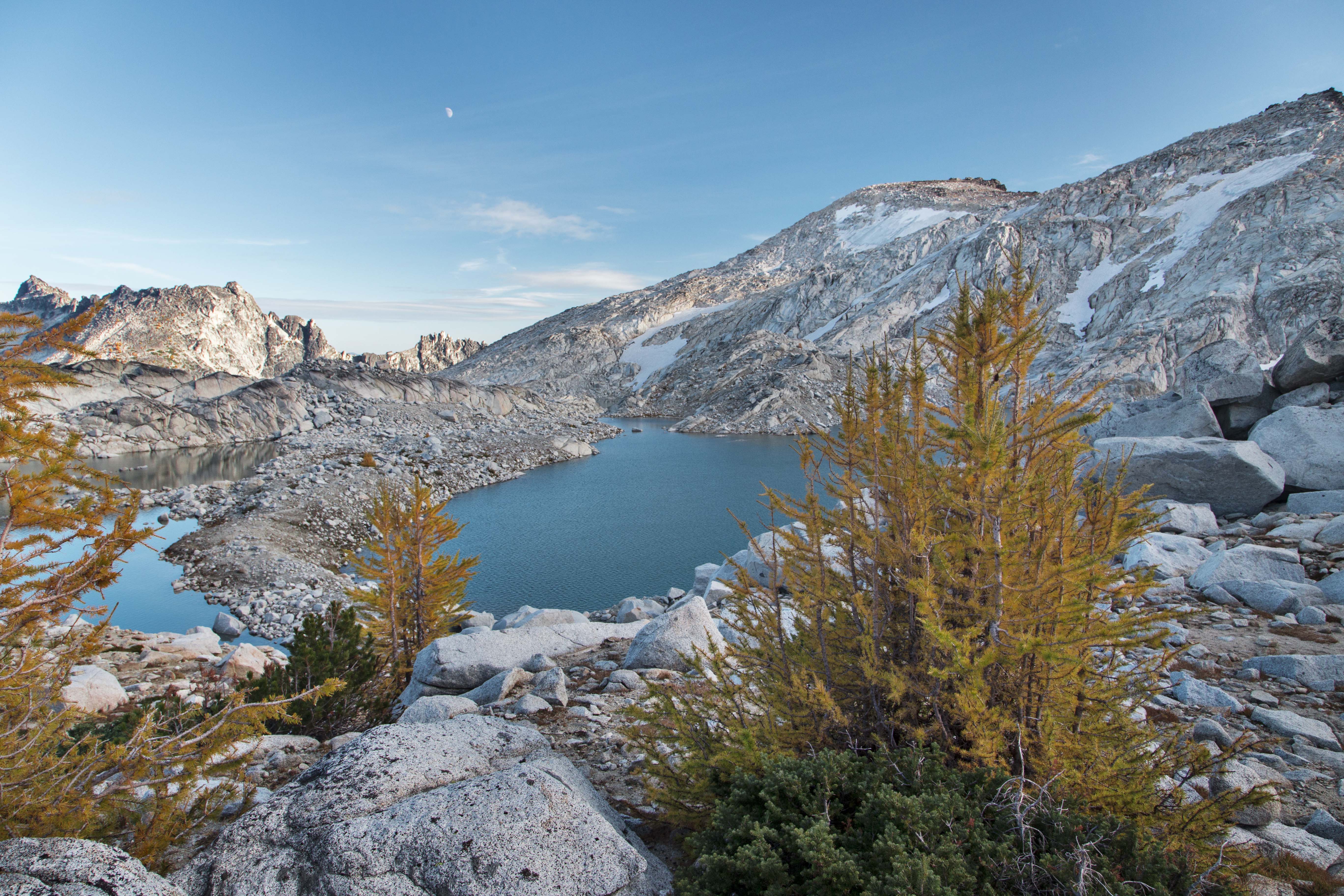
Enchantments: Aasgard Pass, Isolation Lake, Perfection Lake and Prussik Peak. And lots of goats!

Perfection Lake

Perfection Lake


I am not a very lucky person, in terms of winning stuff. I’ve never won any big sums of money in the the lottery or a car or any of that, but I have entered and won the Enchantments Lottery two years in a row! And really, that’s pretty damned good!

The Enchantments are a part of the Alpine Lakes Wilderness, (which is itself a part of the Wenatchee National Forest) located near the town of Leavenworth, along Highway 2, in Washington State.
The Enchantments area is actually very small, making up maybe 10 square miles. Packed in to this wondrous world there are scads of small lakes and tarns of fantastic hues of blue and green surrounded by stark jagged peaks.

Autumn brings fantastic colors. Because of the high elevation of the Enchantments Basin (between 7,000 and 8,000 feet) there are dense stands of larch. These trees have needles, and come fall they turn a bright orange color, and look like they are aglow from inside.

Trees along the trail to Prussik Pass

Trees along the trail to Prussik Pass

I spent some time reading about the trail and lakes, the approach and parking and all that. There are two routes in to, or rather up to, the Enchantments Basin. One is very long (12 miles)with a lot (more than 6’000 feet) of elevation gain. The other route is a little shorter, and has a little less elevation gain, but it includes a hike up Aasgard Pass (more than 2,000 feet up in less than one mile).
Last year I’d tried the long route, and so opted for the “shorter, easier” route this time.
I recruited two of my friends to help me use the 5-day permit I’d won. I gave them fair (sort of) warning about the hike.

Sometimes I am guilty of recruiting companions by omitting to explain any of the hazards of the trip. I figure that we are all on a need to know basis and the way I interpret this, as it relates to backpacking, is that all they need to know is that all will be glorious!

The first days short hike took us up to Colchuck Lake. We arrived late in the day and from the lake could see the gash of Aasgard Pass soaring above the lakes far edge.

Colchuck Lake and Aasgard Pass and fast moving clouds

Colchuck Lake and Aasgard Pass and fast moving clouds

Late morning finds us clamboring over the boulder fields along the lake at the base of the trail up.
The morning light flares behind the larch atop the pass.

Boulder Field

Boulder Field

Aasgard Pass

Aasgard Pass

Spaghettified

Spaghettified

Boulder field

Boulder field

Morning light

Morning light

Surveying

Surveying

Half way up

Half way up

I am not sure of the weight of our packs, we had a lot of food, a heavy 4-season tent and I have a lot of photo gear, I would guess maybe 40 to 50 lbs each.

Its hard to describe what its like, struggling up this interminably long steep slope…as a comparison, if you’ve ever done the hike up to Sahale Glacier Camp, the last part of that hike is a very steep scramble up scree slopes to the camp at the base of Sahale Peak. Well, Aasgard Pass is like doing 15 of these sections, in a row!

A positive minded person (or one trained in the Magic of the Marketing Apocalypse) would maybe describe the hike up as challenging, or strenuous; trying to put a positive spin on the trail.

I would describe the trip up Aasgard pass as insanely grueling, ridiculously steep, painful, murderous, masochistic and plain torture. If you fancy hiking straight up a steep mountain with a huge pack, then, you’ll love the trip!

Okay, enough bitching. Once you manage to crest the pass your arrive in a wonderland of rock and ice. Dragontail Peak’s serrated edge rips the sky asunder above Isolation Lake.

Isolation Lake, panorama shot

Isolation Lake, panorama shot

Isolation Lake

Isolation Lake

Ice fields dot the lake’s edge. A cool wind and a long drink from the icy stream revive me. along the lakes edge.

There are several inviting tent spots here and we quickly set up our portable North Face fortress and prepare food.

Camped at Isolation Lake, Enchantments, Alpine Lakes Wilderness

Camped at Isolation Lake, Enchantments, Alpine Lakes Wilderness

Isolation Lake

Isolation Lake

There are a smattering of larches up here in the alpine zone, but mostly its rocks and water.

Isolation Lake

Isolation Lake

Isolation Lake at sunset

Isolation Lake at sunset

Isolation Lake

Isolation Lake


The light starts to fade and the colors glow along the lakes shore, the blues, greens and pinkish reds don’t look real at all. Late at night I manage to drag myself out of the tent and capture a few shots of the stars and the tent in this moon-ish looking landscape.

Camped at Isolation

Camped at Isolation


Dome in a moon scape

Dome in a moon scape

The next day as we start hiking I tell my two friends that this will probably be one of the best days hiking ever. We set out excited to see what the day has to offer.

Campers along Isolation's shore

Campers along Isolation’s shore


Skirting a low ridge we drop into a new basin filled with countless ponds. We cross a small snow field as we make our way gently down the trail. Our goal for the day is to establish a new camp on a ledge above Crystal Lake and then hike down to Perfection Lake. From there the plan I have is to make our way up to tiny Gnome Tarn for some wonderful views of Prussik Peak reflected.

Each turn of the trail elicits a new sense of wonder. The larch thicken as we descend.

Headed towards Perfection

Headed towards Perfection

Reflection in one of a myriad of tarns

Reflection in one of a myriad of tarns


Overlooking Crystal Lake our new camp gloriously commands a wonderful view. Below us the ridges are crusted in orange larch, offset by the blue skies and green lakes.

Crystal Lake

Crystal Lake

Crystal Lake

Crystal Lake

Crystal Lake

Crystal Lake

Crystal Lake

Crystal Lake


Once camp is set up we (now with out heavy packs!) set out for Perfection.

This basin is on fire with orange. As a true color junky I am juiced to my eyeballs with sensory overload.

Perfection Lake

On the way to Perfection Lake

Perfection Lake

Perfection Lake

Perfection Lake

Perfection Lake

Perfection Lake

Perfection Lake


I feel like I’ve been teleported to a new world, like Avatar, or a scene from Middle Earth.

Finding the trail junction amid an orange forest, we branch off and start the easy climb up to Prussik Pass, in search of Gnome Tarn.

Gnome Tarn

Gnome Tarn

Gnome Tarn

Gnome Tarn

Trail to Prussik Pass

Trail to Prussik Pass

Trail to Prussik Pass

Trail to Prussik Pass

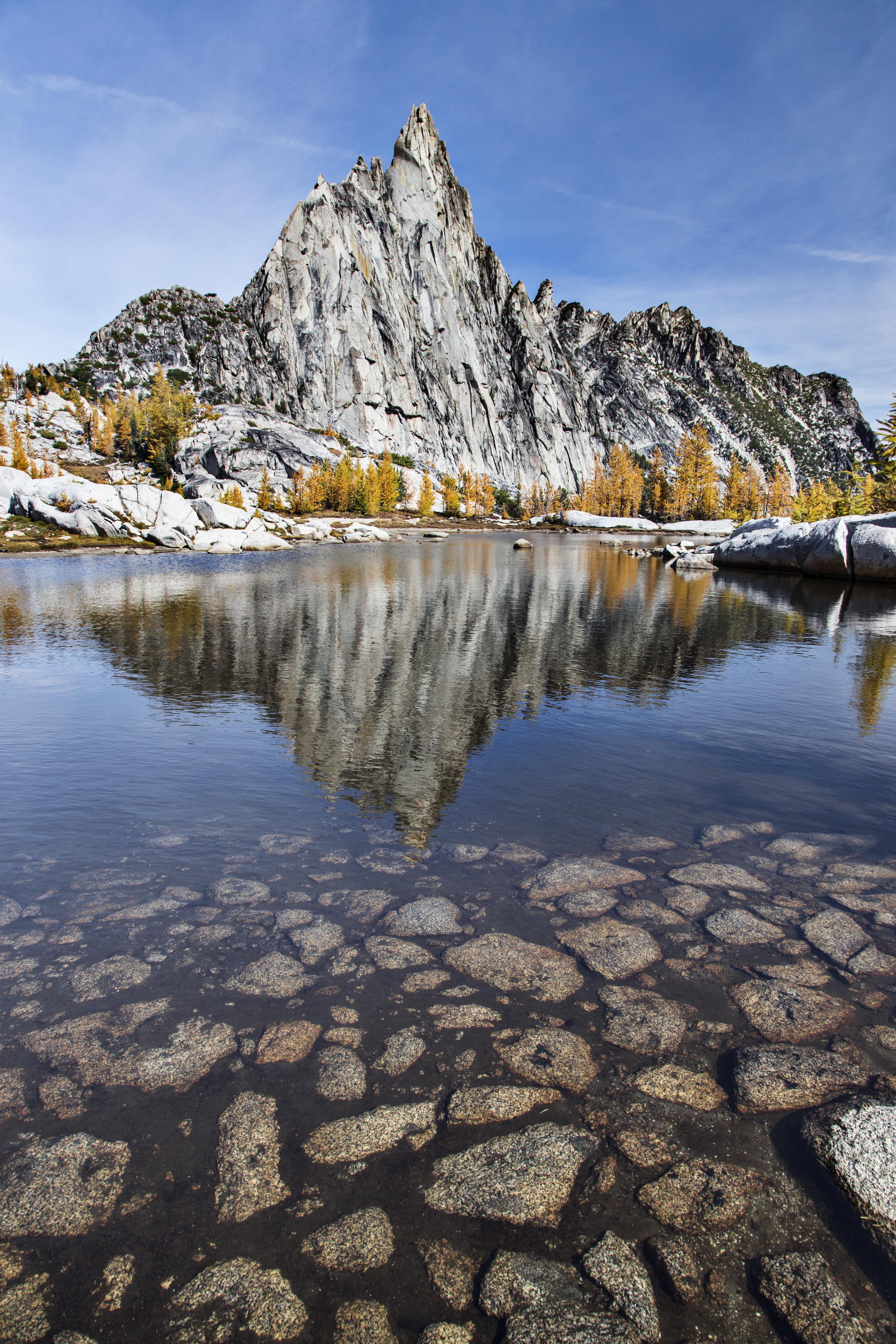
A little searching and gawking later were there. The place is as promised, nestled at the base of Prussik Peak, exquisitely framed by larch and water. I enter a photographic trance state.

Prusik Peak and Gnome Tarn

Prusik Peak and Gnome Tarn

Prussik Peak

Prussik Peak

Prusik Peak and Stones

Prusik Peak and Stones


It’s a perfect day, sunny and warm, a cool breeze refreshes us as we bask in the glory of nature.

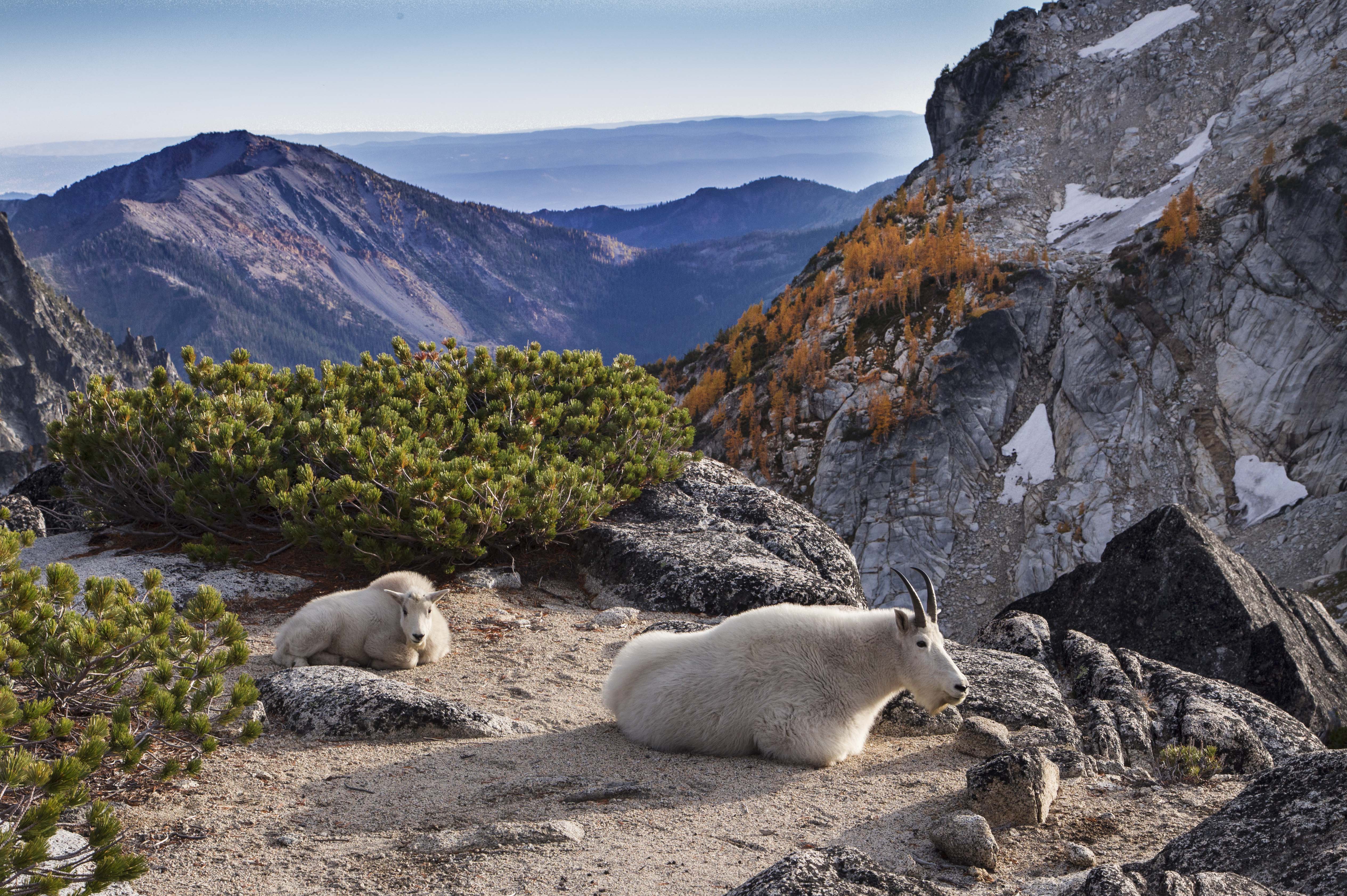
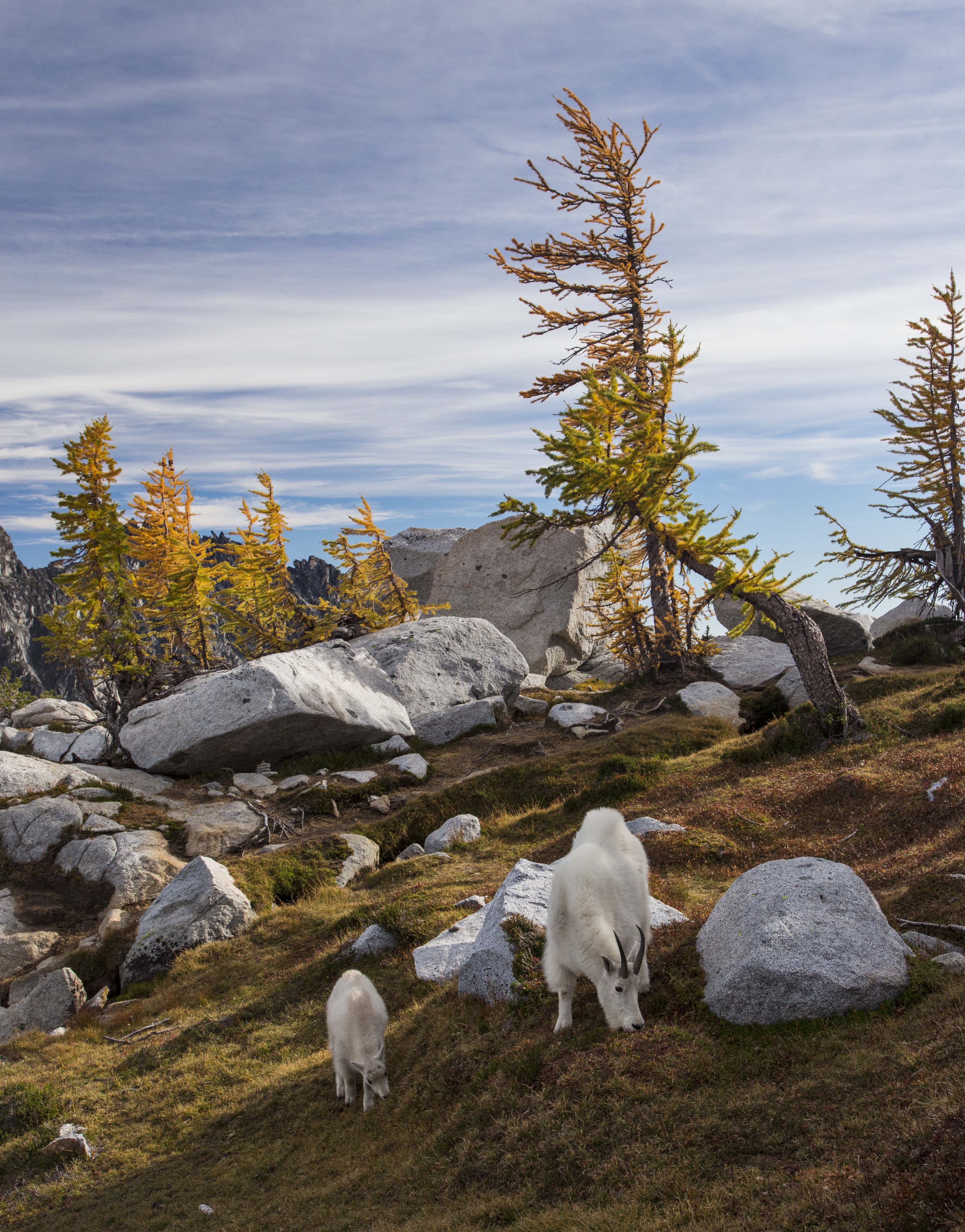
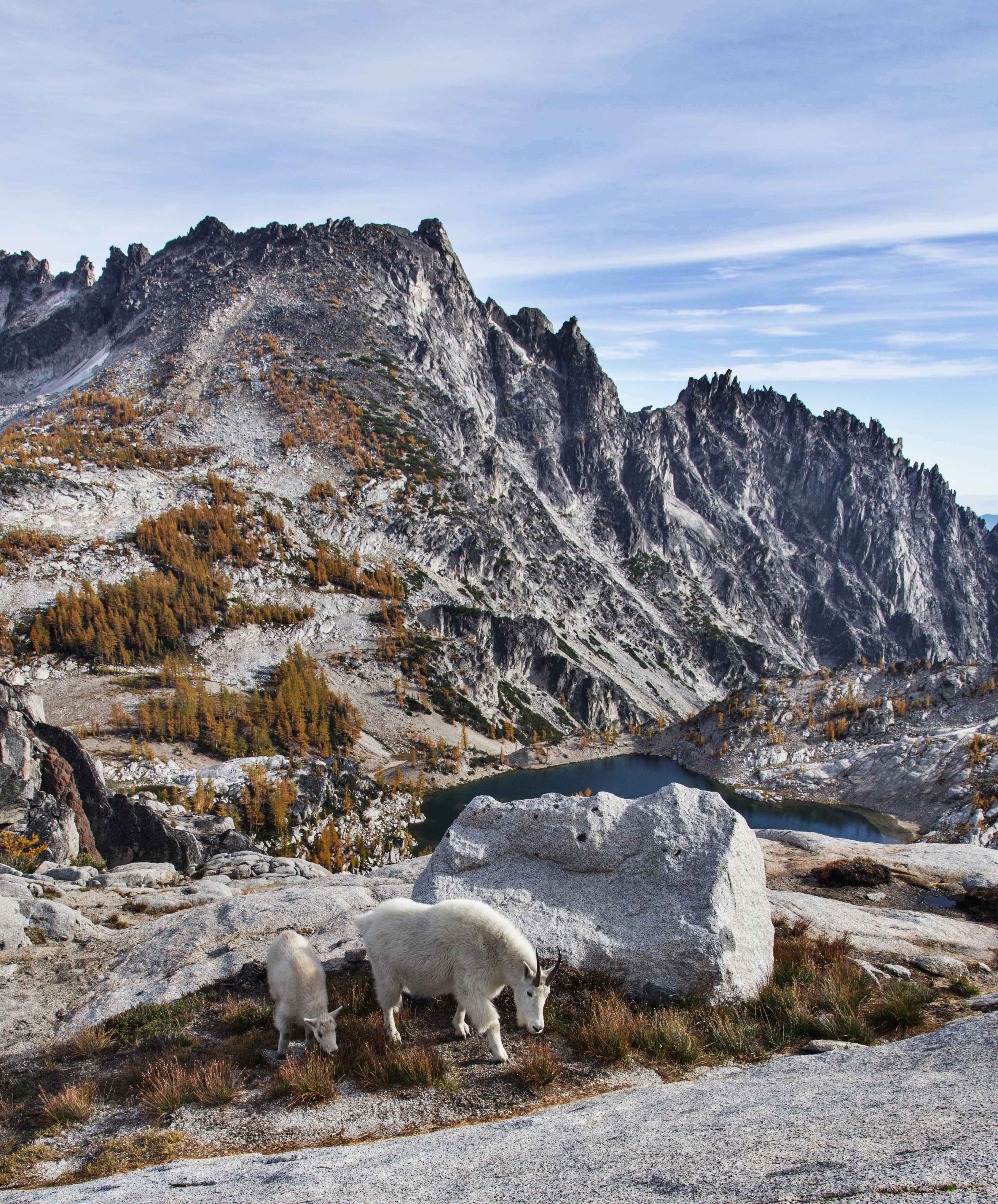
Lingering for lunch we new set off again. Ambling my way back up to camp I encounter a few hikers who report mountain goats ahead. I arrive back at camp and there is a Mom and her young kid, looking for grass and munching away.

A new photo frenzy starts I circumnavigate the goats several times as they make their way about.

Enchantments and Mountain Goats

Enchantments and Mountain Goats

Enchantments and Mountain Goats

Enchantments and Mountain Goats

Enchantments and Mountain Goats

Enchantments and Mountain Goats

Enchantments and Mountain Goats

Enchantments and Mountain Goats

Enchantments and Mountain Goats

Enchantments and Mountain Goats

Enchantments and Mountain Goats

Enchantments and Mountain Goats

Enchantments and Mountain Goats

Enchantments and Mountain Goats


Finally tiring of goats and picture taking I go fire up the stove and make some coffee. My friends return and we marvel at all around us. Dinner is served and eaten just in time for the sunset.

The small ponds make wonderful reflections of the sky.

Sunset in the Enchantments, Alpine Lakes Wilderness

Sunset in the Enchantments, Alpine Lakes Wilderness


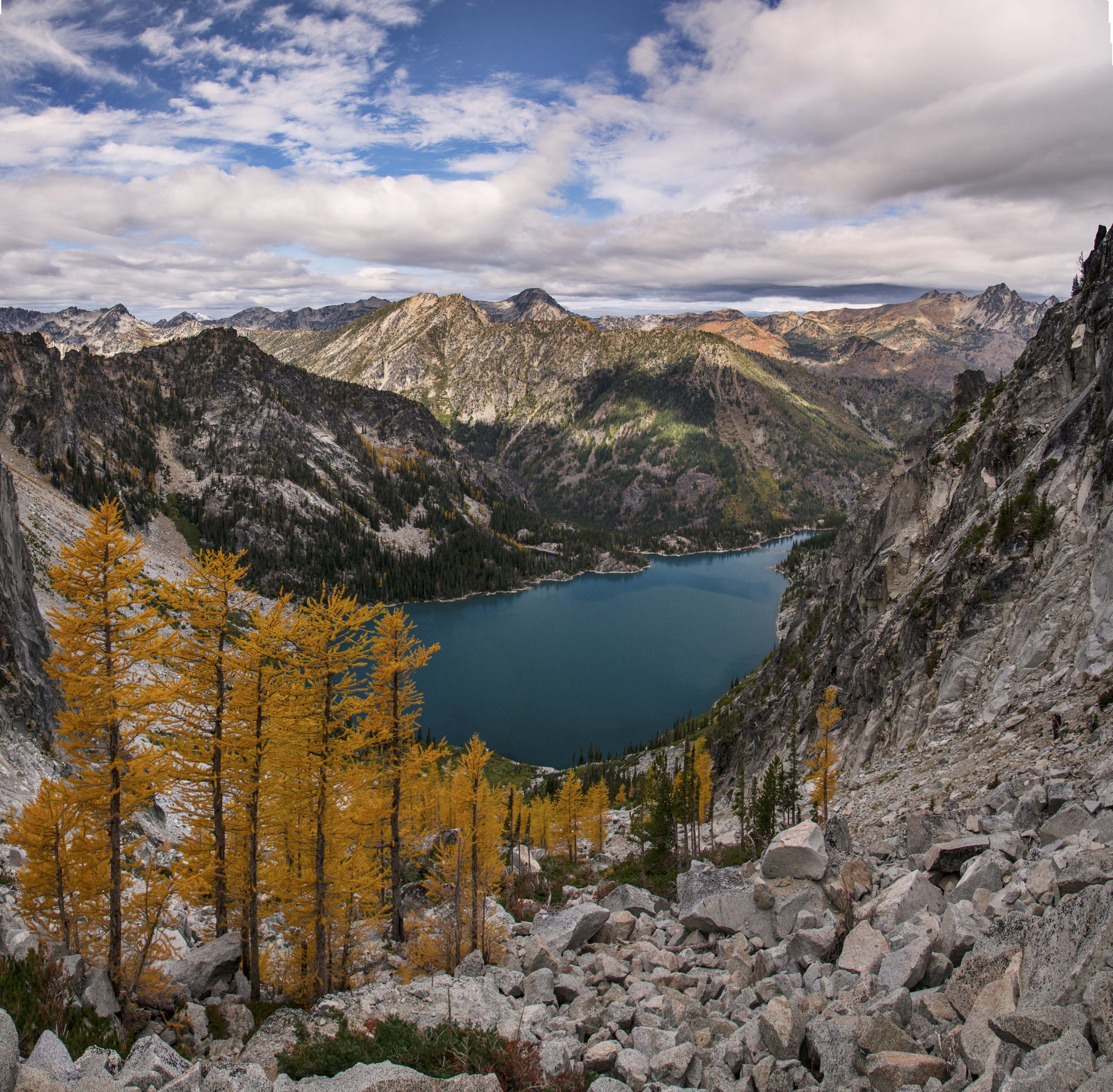
Early the next morning the skies are dark and we head back to to the Pass and start the slow descent to Colchuck Lake. Taking a break on a huge slab precariously perched above a stand of larch I capture one last image of larch and lake.
Colchuck Lake, Enchantments

Colchuck Lake, Enchantments


Yes, I’ll be entering the lottery again next year!

“Wilderness 50” Celebration

2014 marks the 50th anniversary of the signing of the Wilderness Act. In September of 1964 President Johnson signed into law the Wilderness Act, one of the most important pieces of legislation in the US regarding protection and preservation of Wilderness.

Wilderness 50 “The 50th Anniversary National Wilderness Planning Team (Wilderness50) is a growing coalition of federal agencies, non-profit organizations, academic institutions, and other wilderness user groups whose purpose is to plan and eventually implement local, regional, and national events and projects, specifically designed to elevate the profile of wilderness during the 50th anniversary celebration.”

One of their programs was to hold a photo contest and use the winning images as a part of their plans to inform people about the significance of the Wilderness Act.

More than 50 images were chosen and these will be displayed as large format prints in the Smithsonian Museum, in Washington DC starting in September!

I submitted several images to the competition and this image, here was chosen as an Honorable Mention in the People in Wilderness Category and will be used on signage for the various events and displayed in the museum.
Morning at Sahale Glacier Camp Sahale Glacier Camp in the Steven Mather Wilderness in North Cascades National Park, in Washington.

As a part of the process I was asked to submit a personal story about the image. Here it is:

“My connection with wilderness began when I was 16. I spent a month in the Sawtooth Wilderness in Idaho, learning how to backpack, climb and survive. The trip changed my life and encouraged me to continue. Treks along the Pacific Crest Trail and the Andes followed.

Then my life changed again and I was off on a different purpose. For almost 20 years I followed the light only to wind up in the darkness. And then I felt the wilderness call to me again, beckoning me back into her arms.

I had packed my old life in boxes and uncovering them produced an old hiking guide. I scoured it and found the most exciting sounding trip in there, recruited a few friends to accompany me and off we started.

I had forgotten what mileage and elevation gain portended and as we began our trip up to Sahale Camp. It slowly came back to me, what sweat and struggle were all about.

We finally made it to the camp well after dark and collapsed in our tent.

This image was captured the next morning. My life was changed anew; I had found a new purpose. Wilderness had rescued me again.”

I am excited and proud that any image of mine would be used to promote and protect wilderness!

Salmon Encounters

When I plan a backpacking trip and am working out where to camp each night my main consideration is “Where can I take the best pictures?” I think about the best views and which angle of light I want. And so my camp sites and hiking goals each day are based upon trying to be at the right place at the right time.

Capturing images of wildlife is not as easy to predict. Bear, goats, deer and marmots are all doin’ their own thing. One never knows when you’ll cross paths, so I simply hope for a magical moment and that my camera will be ready!

This summer I hiked the Copper Ridge – Whatcom Pass Loop, in North Cascades National Park. I planned camp sites atop Copper Ridge and Tapto Lakes. But the most magical part of the trip was my encounter with salmon spawning in Indian Creek at its confluence with the Chilliwack River.

The trek began at the Hannegan Pass trail head; we hiked up into the park and out along Copper Ridge. Silesia Camp, atop the ridge is unbelievably stunning.
copper ridge Panorama1em Copper Ridge Sunset Panorama

The long descent down to the ford of the Chilliwack River provides a wonderful opportunity to observe striking changes in flora. Pine forests slowly transform into rain forest as one nears the valley bottom. The forest is wet, humid, different…

Then come the two fords, first the Chilliwack. My sore aching feet welcome the cold fresh waters…then I hobble across a short section of wet forest and come to Indian Creek.

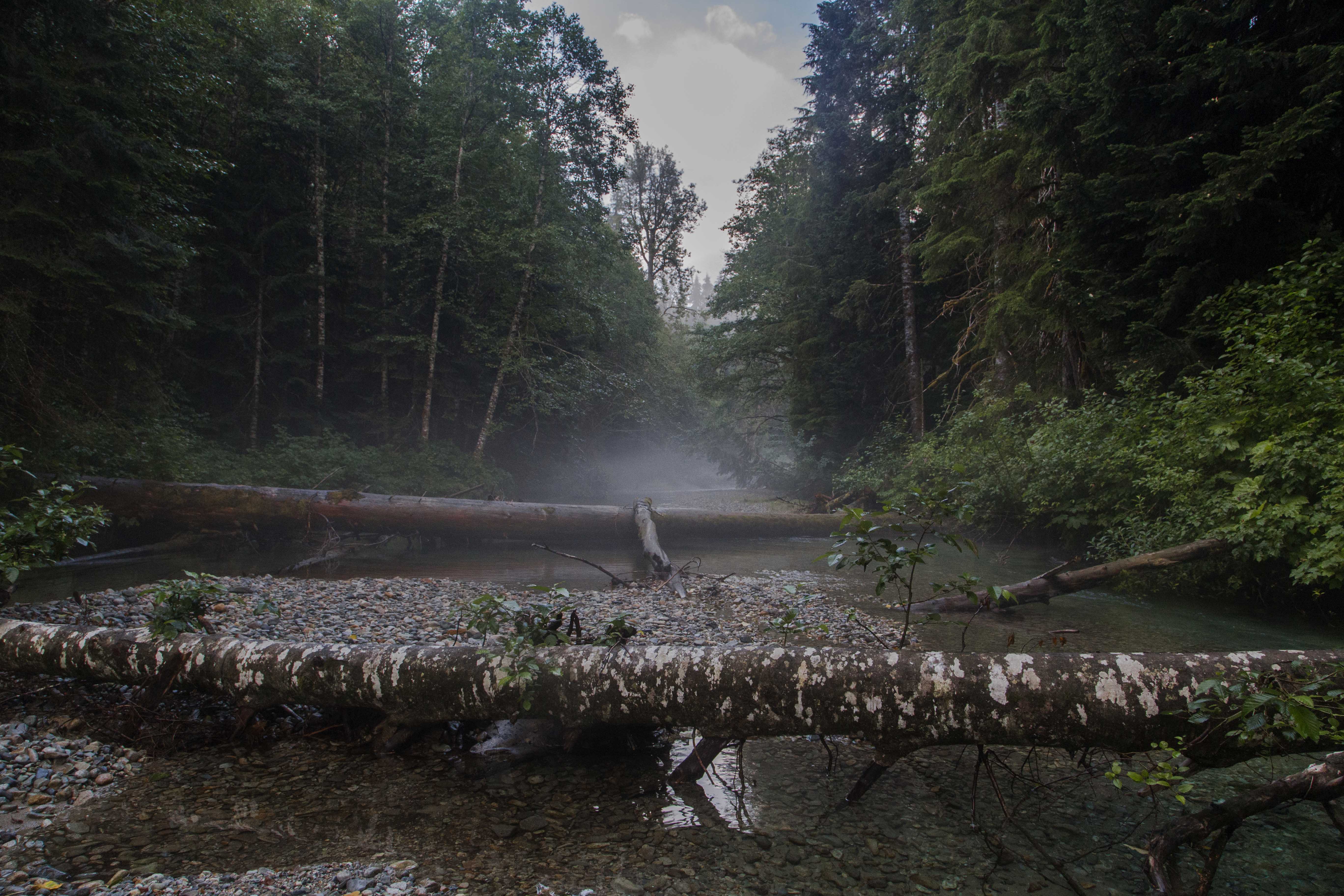
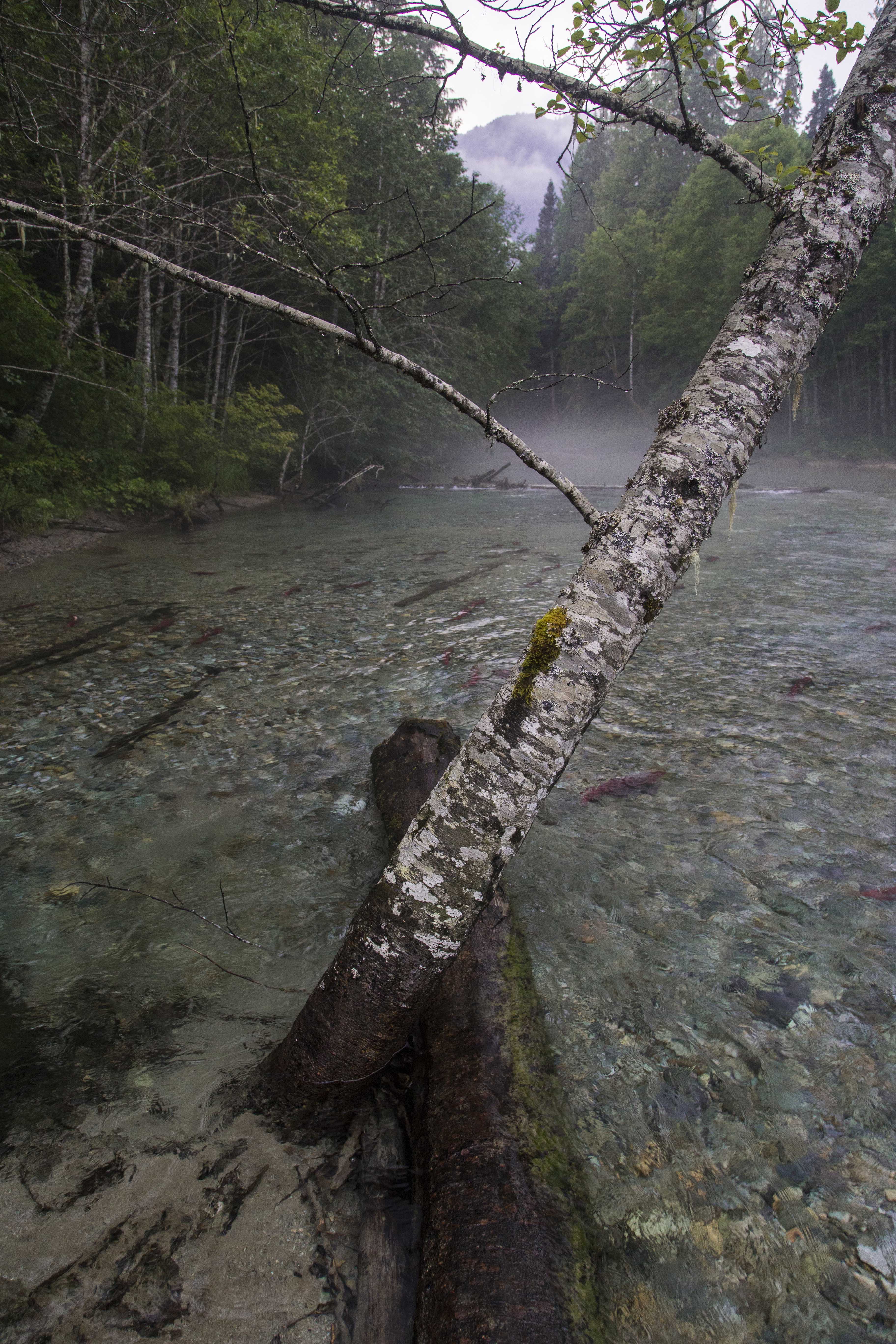
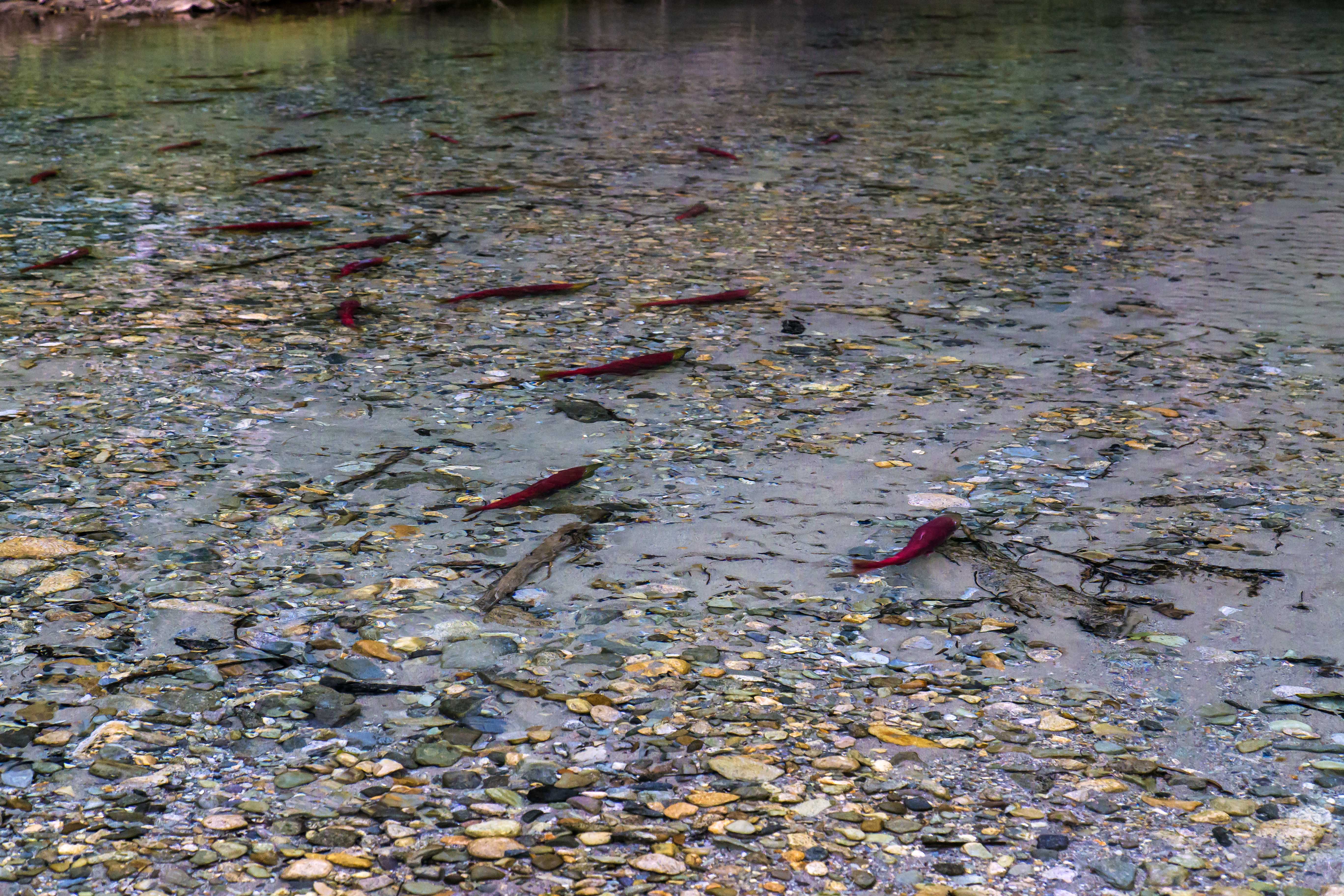
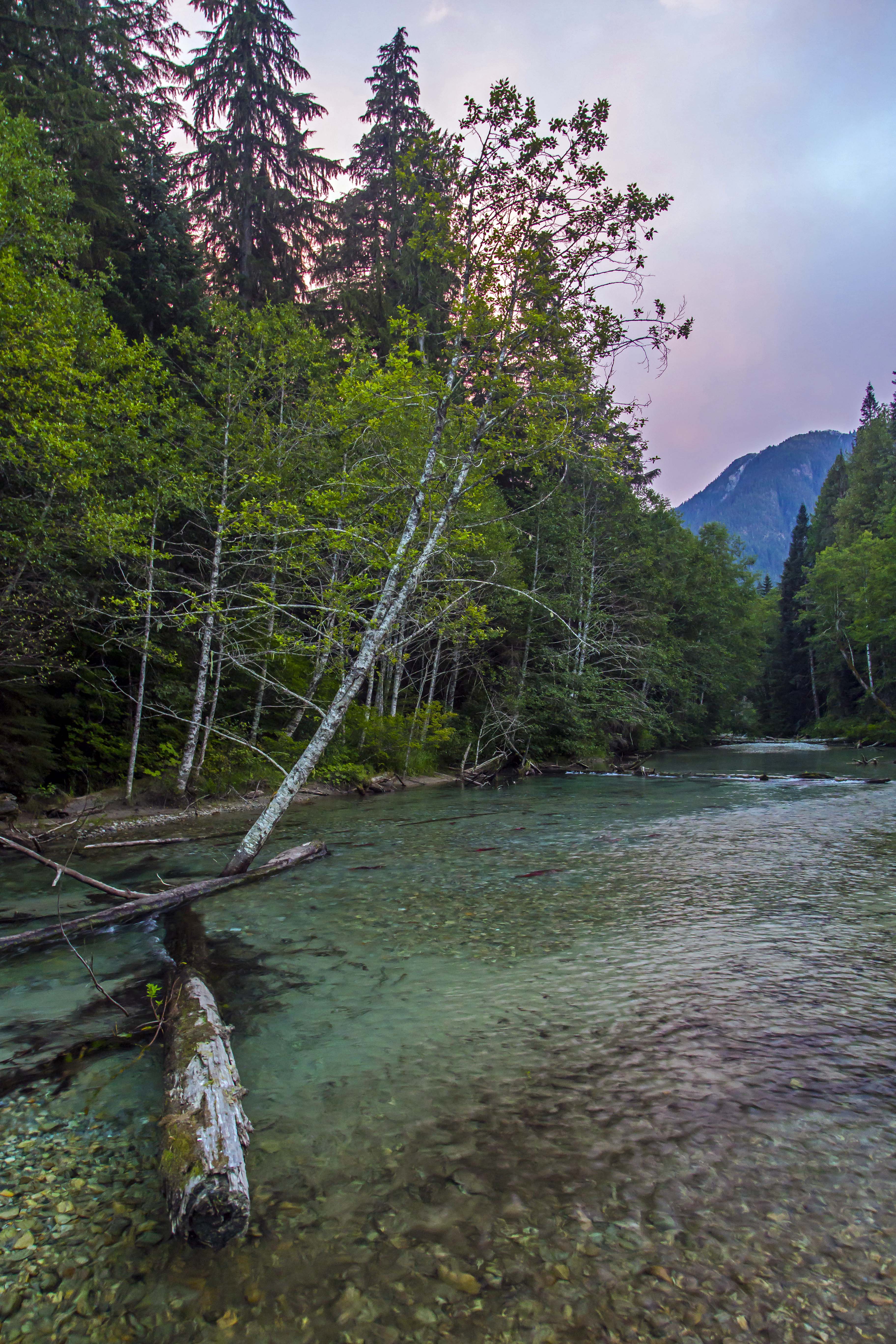
The creek was full of salmon, bright orange in color, hovering in the crystal clear water. Here Indian Creek is about 10 meters across, its banks enveloped with dark green. The sky is a narrowing strip curving away.
chilliwack salmon

Looking up steam, back towards the North Cascades, Indian Creek is choked with fallen trees.
Indian Creek Indian Creek

The river bed is here soft silt and there brightly colored stones, adding to the illusion of the salmon practicing a form of Jedi levitation. indian creek salmon Floating Fish

The view north, towards Canada is equally alluring, the confluence of the two streams creates an opening. The sky is now blue with dark clouds gathering.
indian creek salmon 30em Confluence

I feel like I have been transported to an entirely different point of the globe. Time seems to stand still. There is a fallen tree stretching out in the middle of the stream and I make my way there. A birch provides some support as I try to balance myself and marvel at the majesty of the fish. Some seem playful, darting here and there, others simply hangin’ out, languidly gliding in the waters.
north cascades salmon crossing Vantage Point

As I wander around the banks I sense some motion up stream. Looking up I see a huge brown bear, maybe 800 lbs along the right side of the creek. I freeze, as does the bear. My racing heart slows after a few minutes, my thoughts reactively consider flight, then a millisecond later I am calculating how far the camera is and how brave I will be to approach such a huge bear.

The allure of photographing such a magnificent creature snacking on salmon easily wins the moment. Gathering the camera I start up stream towards the bear. My partner, seeing our visitor, lets out a scream, and off he goes, back into the forest.

I stand still for a while, reviewing the image of the bear in my mind…wow, what a fantastic place!
salmon 24em Crystal Clear

The night brings horrific storms, heavy rain, incessant thunder and lightening envelope our tiny tent. But here in this deep gash of a valley we are protected. With all the noise I wonder if our giant furry friend will come visit us, maybe hungry for some of our food, but I realize that he is likely very well fed and so not interested.

The early morning fog lies thick across the water. We linger for some gap in time. The crisp, fresh air and cold clear water sharpen my senses. I am quite happy to be alive! salmon 27em Misty Morning

Every year the first weeks of August bring the salmon back to Indian Creek. Maybe next year I’ll see you there…
salmon 3em Salmon swimming Indian Creek

North Cascades Trek – 2013

copper ridge 1em Sunset from Copper Ridge

The trek started at the Hannegan Pass trail head. We arrived Friday morning to a full parking lot and sunny skies ready to tackle a hard 5-day loop through the North Cascades. Weather reports for the area called for dicey weather, partly sunny/cloudy with a high percentage of thundershowers. But like most fools I told myself that this forecast did not by some magical, mystical way, apply to me.

Actually the story started 7 years ago when I hiked the Copper Ridge trail forded the Chilliwack River and made acquaintance with a bunch of spawning salmon. The image of all those bright red salmon in the pristine waters, deep in the wilderness just pulled me back, that and the lure of making it to Tapto Lakes, above Whatcom Pass.

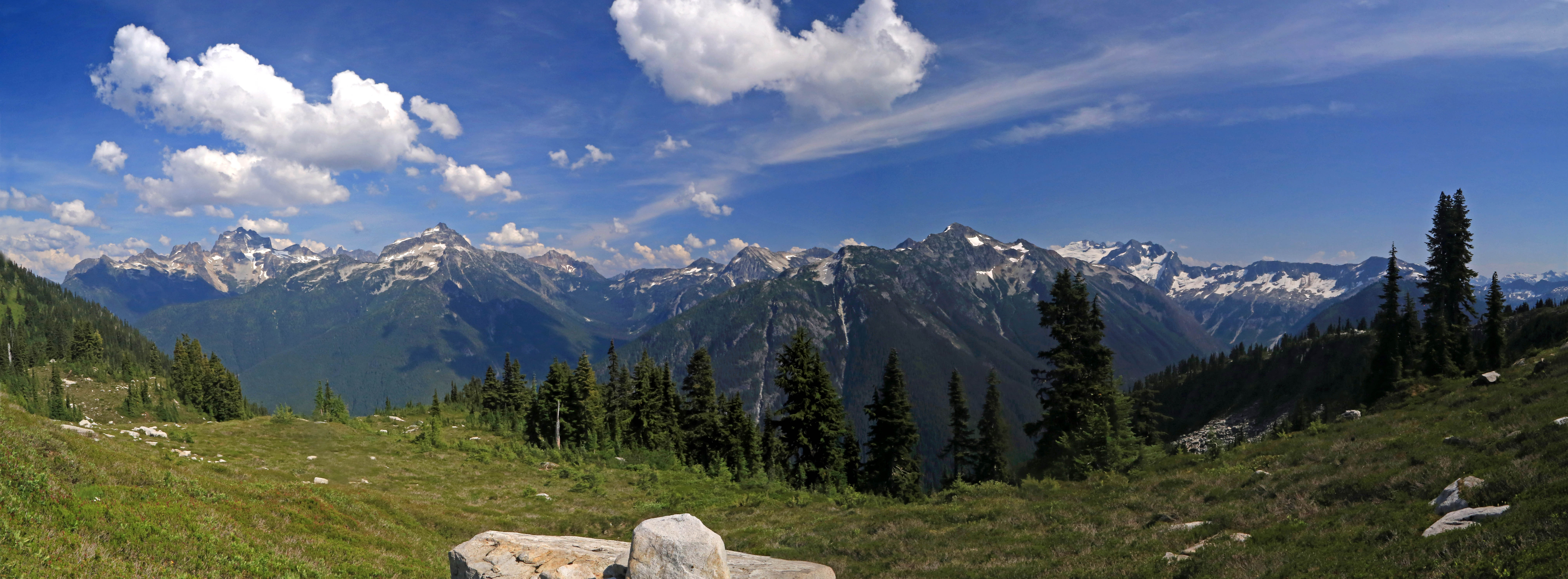
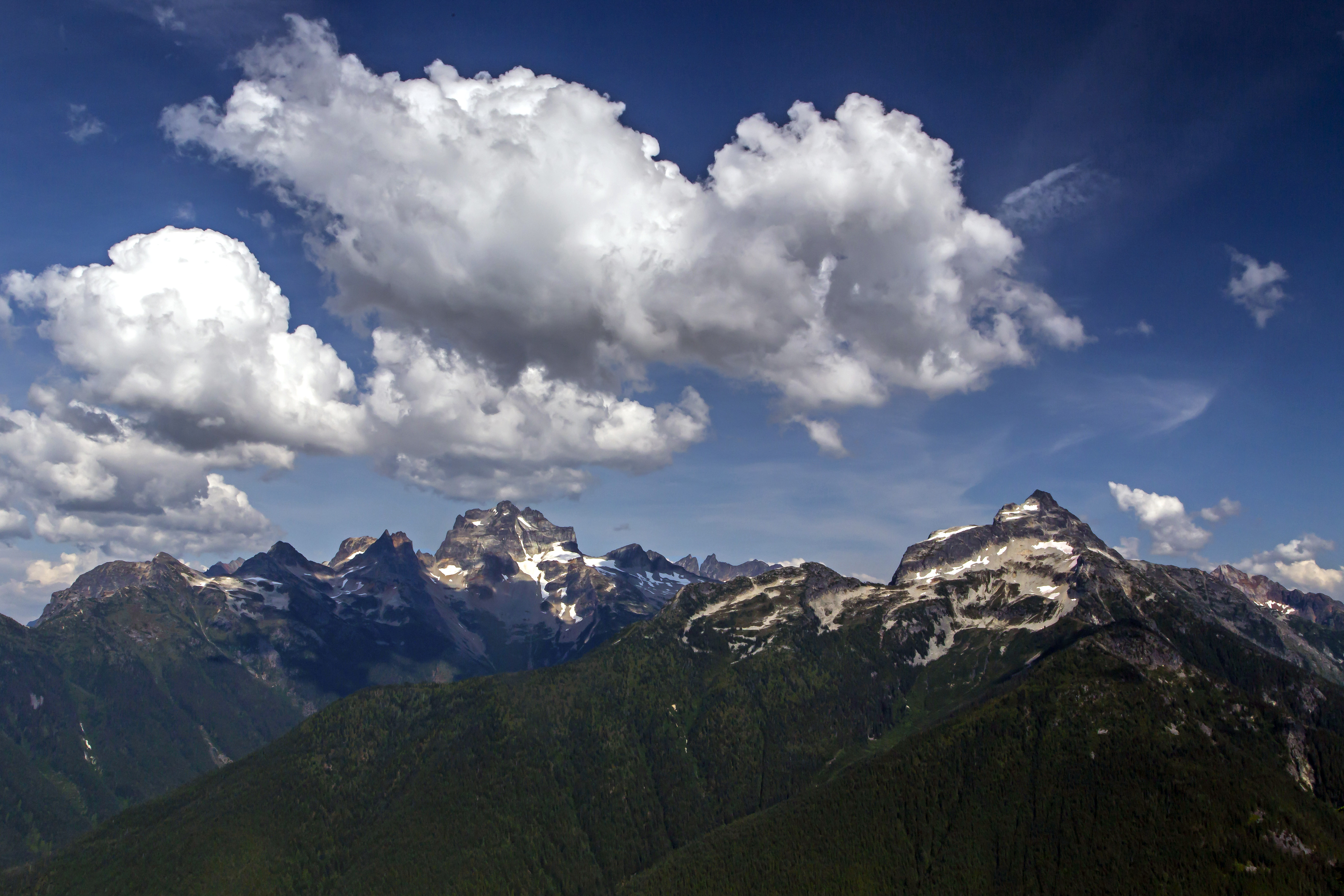
The first days hike took us up to Hannegan Pass and then, entering the North Cascades National Park, up to Selesia Camp on Copper Ridge. This is easily on my list of top 3 or 4 camp sites in the park, the views of Mount Shuksan, Ruth Mountain, Whatcom Peak and the Picket Range and many more are just breathtaking.

copper ridge 2em The Picket Range under Storm Clouds

copper ridge 4em Mount Shuksan from Selesia Camp

The night brought lightening and thunder and rain but the morning, to our surprise was clearing. We headed up to the Copper Ridge Lookout, at 6,600 ft the highest point along the trail. The park ranger was there to greet us and we toured the lookout while she pointed out the names of all the peak surrounding us. The trail ascending to the lookout from the north meanders through a bright green meadow in a sinuous s-curve just below the lookout. Years ago I captured a wonderful shot of a hiker climbing out of the abyss…
Approaching Copper Ridge Lookout Out of the abyss, Copper Ridge, North Cascades – 2006

copper ridge 6em Hiker Approaching the Copper Ridge Lookout – 2013

Tanya, the Park Ranger commented that a lone hiker was approaching from Copper Lake and so now another chance was upon me to see about capturing again the silhouette against the backdrop of deep valleys.

Reluctantly departing from the views and company at the lookout we continued our ridge walk, descending to Copper Lake we stopped for lunch and a swim in its azure waters.

Surprisingly the weather held up and as we made the long traverse of the ridge the views were magnificent. Mount Redoubt and Bear Mountain stood out along the way.
copper ridge _Panorama3emm Copper Ridge Panorama

copper ridge 7em Storm clouds over Mount Redoubt

Reaching the end of the ridge we started down the long, seemingly endless series of switch backs towards the ford of the Chilliwack River and Indian Creek. The changes in the flora were dramatic as we descended from a bare forest floor carpeted with pine needles into a real rainforest, lush and green and wet.

The two channels are parallel for a short time here, first crossing the Chilliwack and then a short section of forested river bed we came at last to Indian Creek and behold, the salmon were there, spawning in great numbers. Taking off shoes and socks again we looked for a ideal spot to rest and relax to enjoy the wonder of the place. a gravel bar at the point of confluence between the two streams was a perfect place.

Indian Creek is not a big stream, maybe 80 feet across here as it spreads out along the valley floor and shallow, knee-deep with some nooks where the water is as deep as 3 to 5 feet.
salmon 4em Salmon in the Creek

The salmon were there, just as before. They were not headed anywhere, the group of 70 or so simply treading water, looking happy to finally be back home.

Clambering out along logs and snags I tried to capture shots of the scene. the bright color of the fish is so impressive, they seemed to hover in the sparkling clear waters, the colorful stones looking like the ground far below while the salmon soared through the sky above.

salmon 5em Flying Fish

The place is so remote, the forest envelopes you and it is like having gone back in time. Deep in that valley was like being in a different life, on a different planet.

salmon 3em Indian Creek Salmon

I bounced between standing still in wonder, trying to get some food, wanting to capture images and the strong desire to do something to take care of my aching feet. About 100 feet upstream a large brown/black bear appeared along the shore. we both froze, considering each other. As I started towards the camera a sharp noise frightened him back into the forest, my dreams of imaging the bear snacking on salmon vanished…

Sunset came swiftly. reds and blues and pinks and purples painting the waters with their fantastic hues.
salmon 2em Sunset at Indian Creek

Night brought even harsher weather than the night before. The crashing of thunder now muted by the deepness of our camp in the forest. I was again happily surprised to awaken to clearing skies and spent the next hour or so back in the stream with the salmon. Morning fog made the scene even more ethereal.
salmon1em Morning fog over Indian Creek

It was a struggle to pull away and start the long slog up to Whatcom Pass.

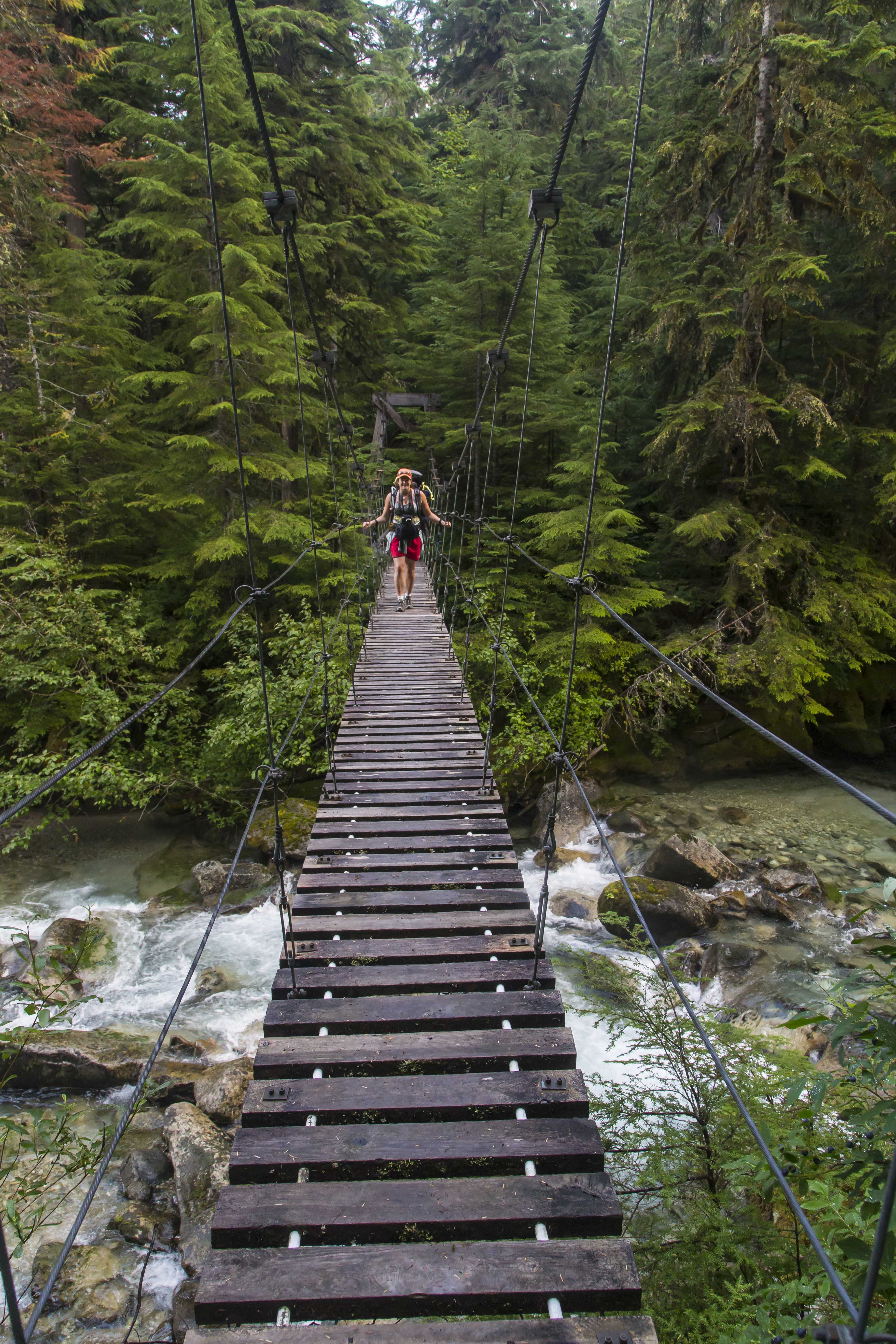
The suspension bridge above Indian Creek sways as you cross, the views up stream were captivating, the water coursing down in the dark green forest.
indian creek bridge em Suspension bridge over Indian Creek

waterfall 2-Recovered em Indian Creek Waterfalls
During the days travel we encountered many people: day-hikers and mountaineers, young and old(er), lost and found.  I advised one and all to make a point to take the time to go visit the salmon.

As we climbed up along Brush Creek the weather got gloomier and as we made it to the final climb at the valley head rain started. Our goal was Tapto Lakes that night, another hard 1,000 feet above the pass, but when we made it to Whatcom Camp the rains were pounding. Cold and wet we hurriedly set up the tent. Dry clothes, warm sleeping bags and hot food tend to improve the spirits quickly.

That night the storms really pounded. The tent was alight with flashes, the thunder and lightening coming simultaneously. Protected somewhat by the trees and the fact that we were a quarter mile down from the pass we lived through it, and awoke to an almost complete white out.
Mt Challenger lost in clouds Mt Challenger lost in clouds

My desire to hike another 1,000 vertical feet evaporated and I headed down the trail, back towards the Chilliwack.

Once back at the junction we’d passed the day before my path turned upstream, headed to Hannegan Pass to complete the loop. Fording the Chilliwack is now a more daunting proposition, the valley steeper and more narrow. Hikers are afforded two choices: to ford the waist-deep waters or to pull yourself across in an aerial cable-car!
Cable Car 2 em Chilliwack Cable Car

That choice was easy1 The cable car is in great shape, holding up to two backpackers (and their gear) the pulley system makes it easy to make the crossing, gliding 100 feet above the river below.

The last nights camp was at the Copper Creek camp, hoping to get a glimpse of meteors above we perched ourselves on the stones with w pie-sliced view of the heavens.
stars 1em Stars along the Chilliwack River

The last days hike up and over Hannegan Pass and back to the car was completed before lunch, the trails edge bordered with a carpet of herbaceous wildflowers.

As always my feelings are mixed at trips end: relief at the prospect of real food, a warm shower, soft bed and time off my throbbing feet but as we jump in the car for the drive back my heart is already longing for the cool, clear waters of the Chilliwack…
copper ridge Panorama1em Copper Ridge Panorama

There and Back, Again: My Spring and Fall Sojourn to Cathedral Lake, on the Pacific Northwest Trail, Pasayten Wilderness

July 14 -19

I never had any idea that there was real tundra in Washington State, I thought I’d have to go to Alaska to have a tundra experience. So when I read (in the book “Backpacking Washington”)that there was a part of the Pasayten Wilderness sporting REAL tundra my interest was piqued.

The Pasayten Wilderness is in Washington State. Its northern boundary is the US/Canada border. To the west is Ross Lake and North Cascades National Park and it extends 50 miles to the east expanding across almost half a million acres.

The trail guide I was reading described a trek through the eastern Pasayten, along the Boundary Trail, running east/west parallel to the Canadian border, to a place called Upper Cathedral Lake. This section of trail is part of America’s newest long trail, the PNT. Along the way, the author wrote, you will pass through Horseshoe Basin and there, LO! You will experience True Tundra!!

The route in the book began at Thirty Mile trailhead and went north along the Chewuch River. I bought the topos, studied the route, got all provisioned up and hoped for nice weather. About a week before the trip I visited the US Forest Service web site (Okanagan National Forest) and discovered that the first four and a half miles of trail were littered with more than 550 down trees!

Two years before I’d hiked 18 miles on an almost-abandoned trail, also in the Pasayten, aptly called the Three Fools Trail.


This was taken from the Three Fools Trail (AKA the Castle Pass Trail) as the trail traverses the side of the hill, just before the steep (and brushy!) descent to Big Face Creek. Pasayten Wilderness.

I say aptly named because the “trail” is non-existent in many places, and more importantly, two of my most foolish friends accompanied me.

The trail had about the same number of blow-downs (500 to 600) and was literally covered in thick brush. Hiking a trail like that is only fun AFTER you’re done, when you’re sitting at the restaurant enjoying a great meal, never before!

I located an alternate trail, it was 29 miles one way to Cathedral Lake, maintaining an elevation of 6,100 to 7,800 ft and promised great views.

The only downside was that we would need to drive nearly an extra 3 hours, but that was a much more appealing than clambering over 450 dead trees!

Our new route took us over Loup Loup Pass and through the towns of Omak, Tonasket and into the small town of Loomis. From there we headed up the Toats Coulee Road to the trailhead. The road was easy to follow, and not a challenge for our 4 wheeled friend.

We arrived rather late in the day and by 6pm we had arrived in Horseshoe Basin and tundra! We looked and looked and all we could see were acres of meadows carpeted with wildflowers. Where was the Tundra?

We consulted the map and then the copied pages of the trail guide, and then the map again. Yep, we were where the Tundra was supposed to be. Right smack-dab in the middle of Horseshoe Basin.

We were just happy to be there meadow, tundra, or what ever you called it, the place was magnificent.

I love hiking in the Pasayten. One reason is that I love views and the Pasayten provides plenty.

With many trails following the crest of long ridges you can hike for days and have spectacular scenery damn near every minute.

Further west, in the North Cascades National Park most hikes start at a rather low elevation, involve a longish hike through forests and then rise up to a spectacular pass.

Some examples are Easy Pass, Park Creek Pass and Cascade Pass.

All of these places are breathtaking in the extreme. However you cannot camp at the top of any of them. So you go up and then quickly down the other side, back in to the forest.

Not in the Pasayten! Not only are there long and wonderful ridges to hike, but there are less trees and immense meadows. Endless meadows. And in July and early August the meadows are carpeted in flowers.

“Upholstered in herbaceous wildflowers” is what one of the guidebooks said. I have been to many places in the Cascades and seen lots of flowers. But nothing like the Pasayten. In other places there would be a meadow and clumps of flowers here and there.

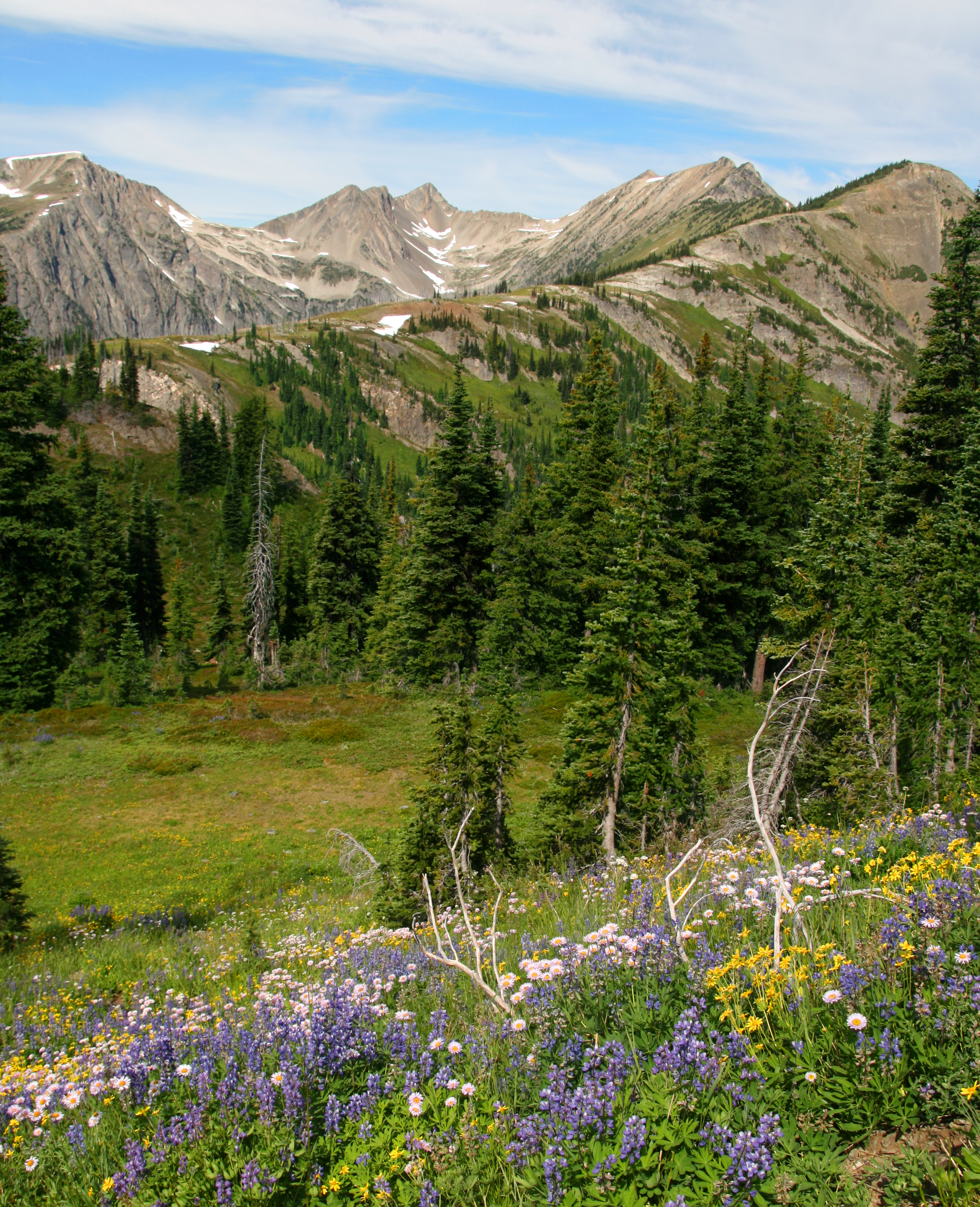
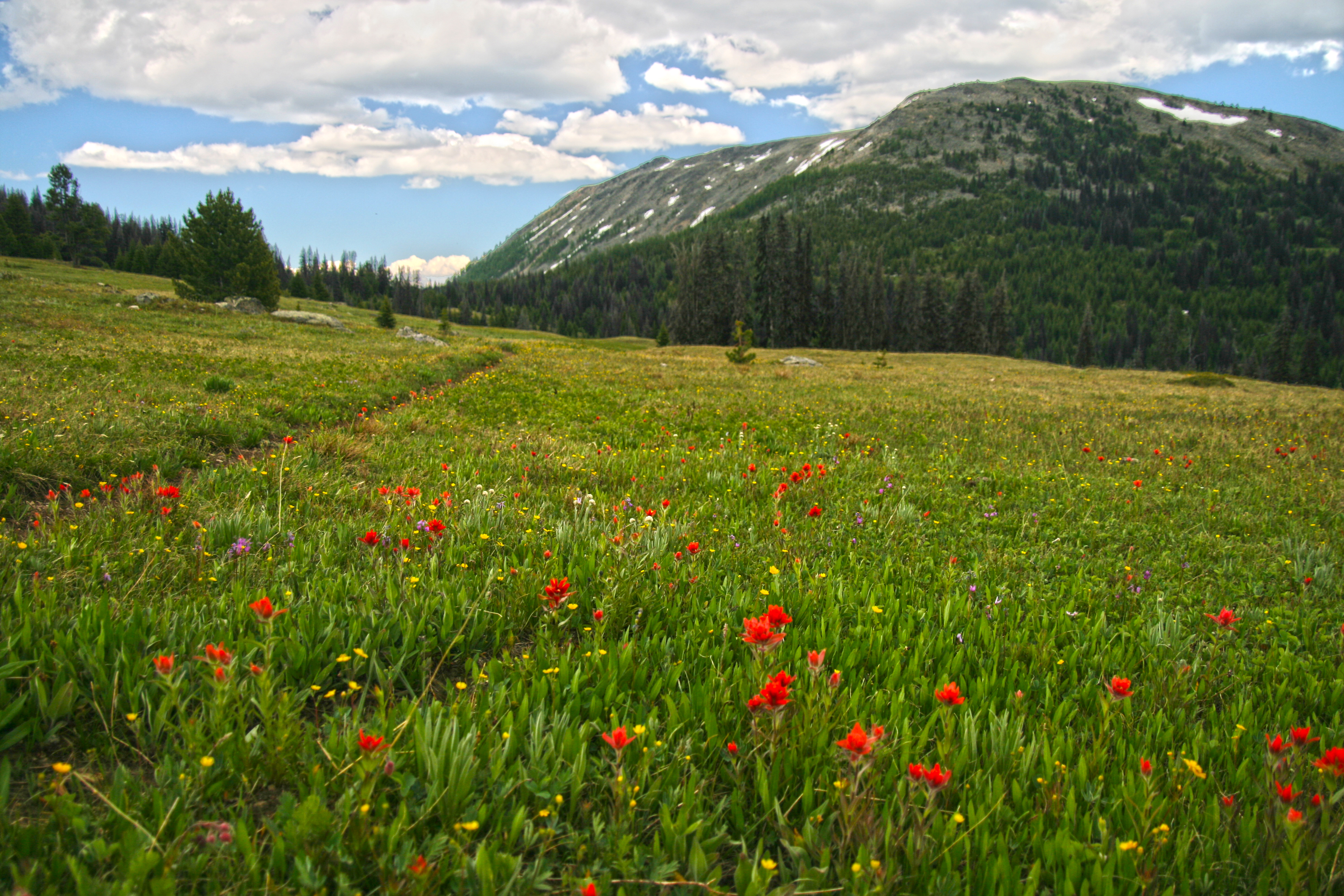
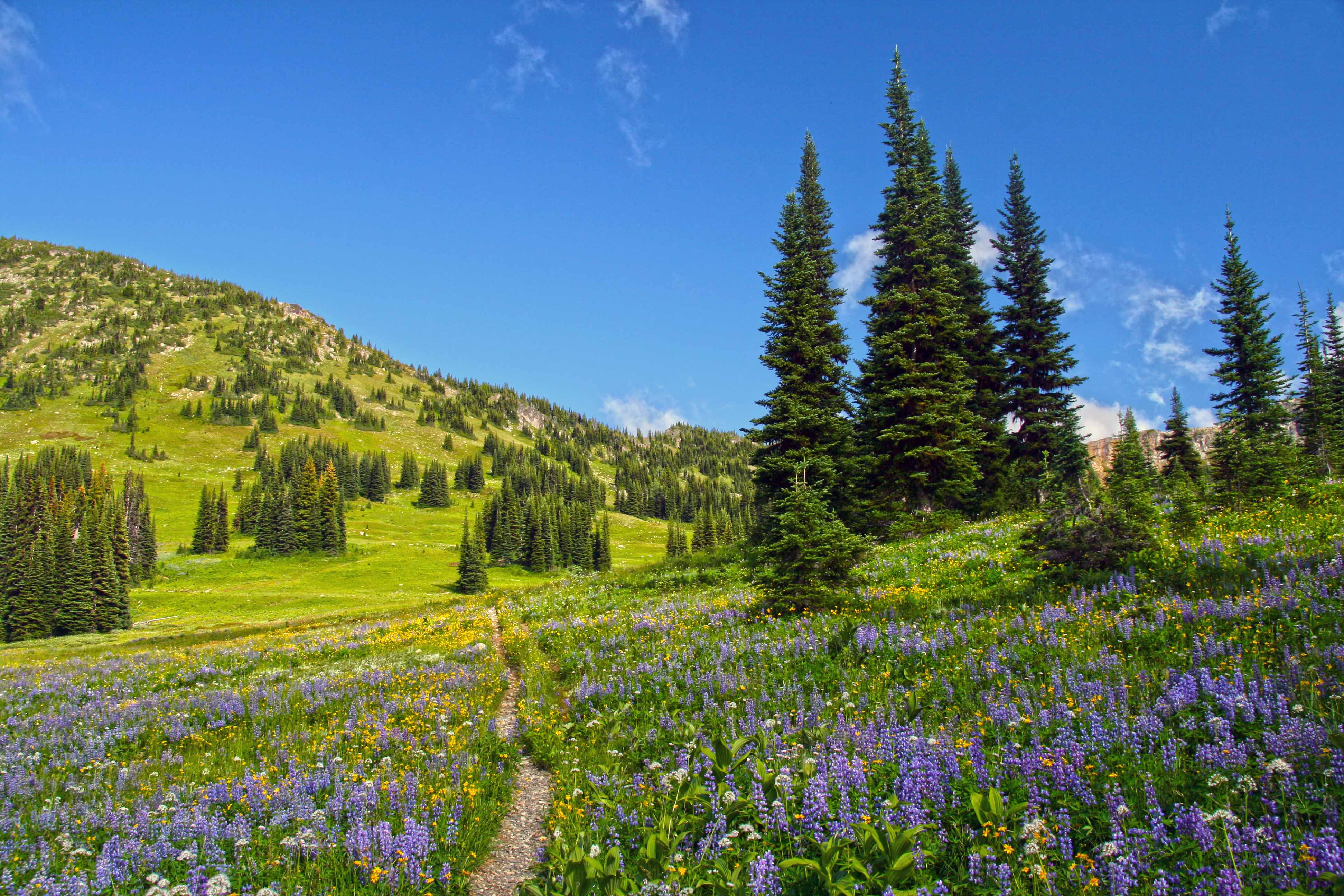
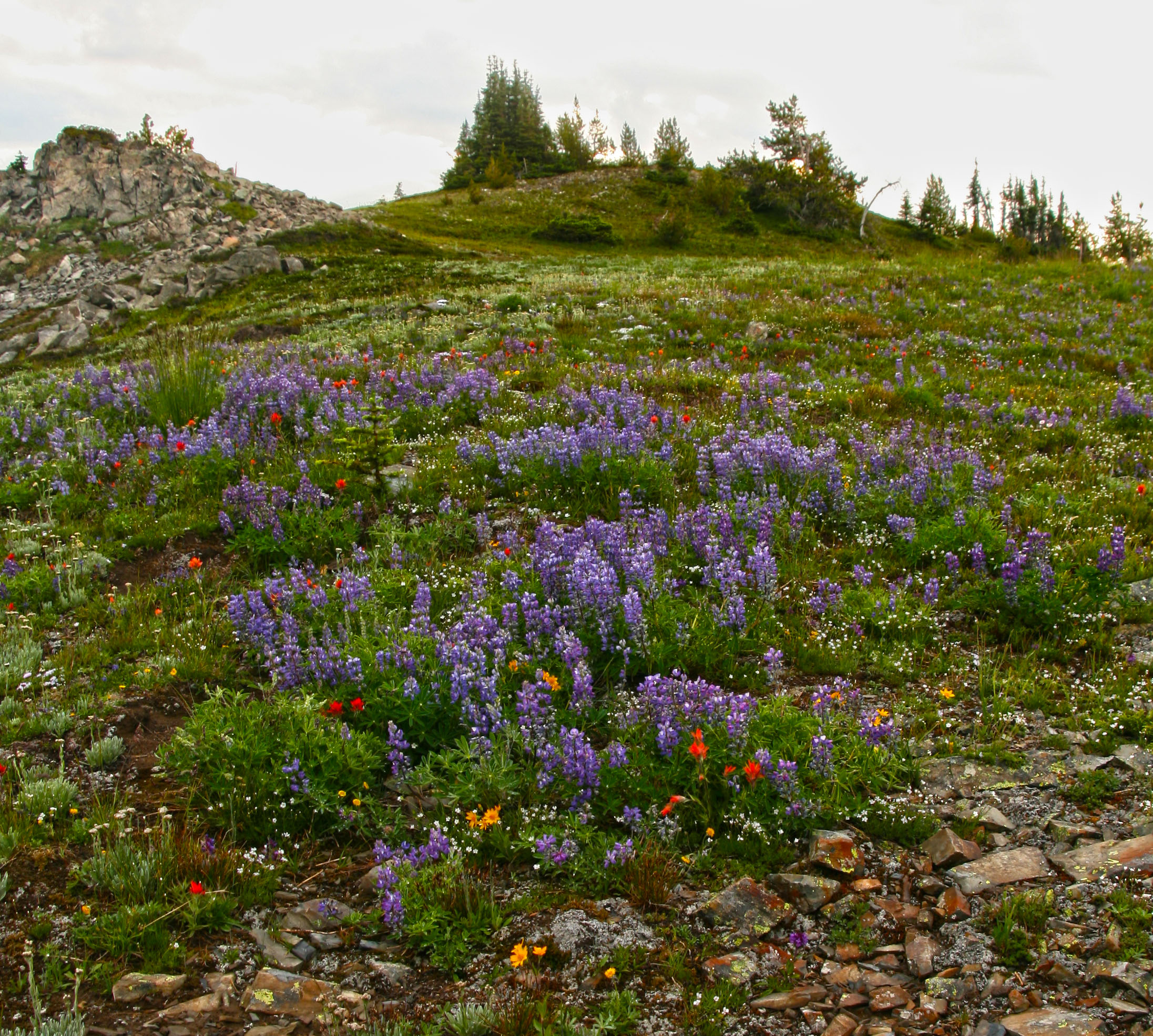
In the Pasayten the entire meadow, as far as you can see is completely filled with flowers. Columbine, paintbrush, lupines and countless others blanket the ground.

It is really something to see an entire mountainside literally covered in flowers.

And the trees. Interspersed between the rocky summits and explosion of flowers are perfect clumps of trees. Each element serves to offset the other. The result is that the Pasayten is like a Zen Garden.

Every stand of trees, rock outcropping, and flower display has a special feel, like it was all painstakingly handcrafted. Nothing looks out of place.

There were literally miles and miles of flowers…

Our first night we camped in the middle of Horseshoe Basin, right on the tundra and anticipated our journey the next day. This was our first long hike of the year and we were not acclimated yet.

The next day’s hike took us by Louden Lake

and around Rock Mountain. We lazed at a fine looking creek and enjoyed a hot lunch, and made it as far as Teapot Dome to camp.

Our campsite was another meadowy-tundra-like concoction full of flowers and bugs, LOTS of bugs.

Early the next morning we were on our way, we stayed on the Boundary Trail, which maintains its elevation, traversing along the western side of Bauerman Ridge, through Scheelite pass and again traversing along Wolframite Mountain.

The weather so far was perfect, cool at night (we had a few nights with frost) and warm in the day. The entire route on this day was on south facing slopes.

It was clear that the trail was normally quite dry, but as we were so early in the season there was a flourish of small almost desert like flowers all over the ground.

Approaching Tungsten Creek we passed a couple hiking the opposite direction, with what appeared to the reincarnation of Lassie. Lassie was happily leading the way, with her heavy pack.

Following were a couple; I would say 65 to 70 years old, cruising right along.

Both had old sneakers, external frame backpacks, with super big canvas-looking sacks and looked like they could out-hike us any day of the week.

We continued our traverse and saw some wooden posts made into sort of an A-frame welcoming us to the Tungsten Mine.

Just at that moment by friend gave me a sort of garbled hush noise and pointed up the hillside. It was a huge bear, much bigger than any I’d ever seen, I would guess 800 lbs or more.

Both of us thought it sure looked like a Grizzly. She sure had the face of one, she was there maybe 20 yards off the trail in plain view. She got a good look at us and vamoosed off, up the hill.

We continued to the mine where there are all sorts of intact buildings and other human remains. There is an old long and low bunkhouse, which is empty now except for an old cast iron wood stove.

The walls and wood work inside are literally covered, almost every square inch with the carvings of the names of hikers who have passed through.

Nearby is a newer looking a-frame structure with an old bathtub sitting out front . It looked inhabited, and we looked around outside but didn’t see the miner or anyone else.


From the mine it was a relatively short and easy hike up to Apex Pass (7800 ft). Once we came out on the west side of the pass we were astounded, shocked, surprised and generally overwhelmed with the view.

The trail guide we had raved about the beautiful tundra and didn’t make much mention of Apex Pass or Cathedral Peak, so we weren’t expecting any thing special.

The view was astounding. We could see the eastside of Amphitheater Mountain, and next to it the triangular spire of Cathedral Peak.

Across the valley to the southwest Remmel Mountain reared up. There was a bright blue sky, white puffy clouds and lots of green meadows (tundra?) all around.

We just stopped there in awe, I was running all over like a 6 year old, taking pictures and exclaiming loudly how awesome a place it was.

After running out of cool sh## to say and taking maybe 200 pictures we saddled up to tackle the final two miles or so Cathedral Pass.

The closer you get to Cathedral Peak the more you stop and stare.

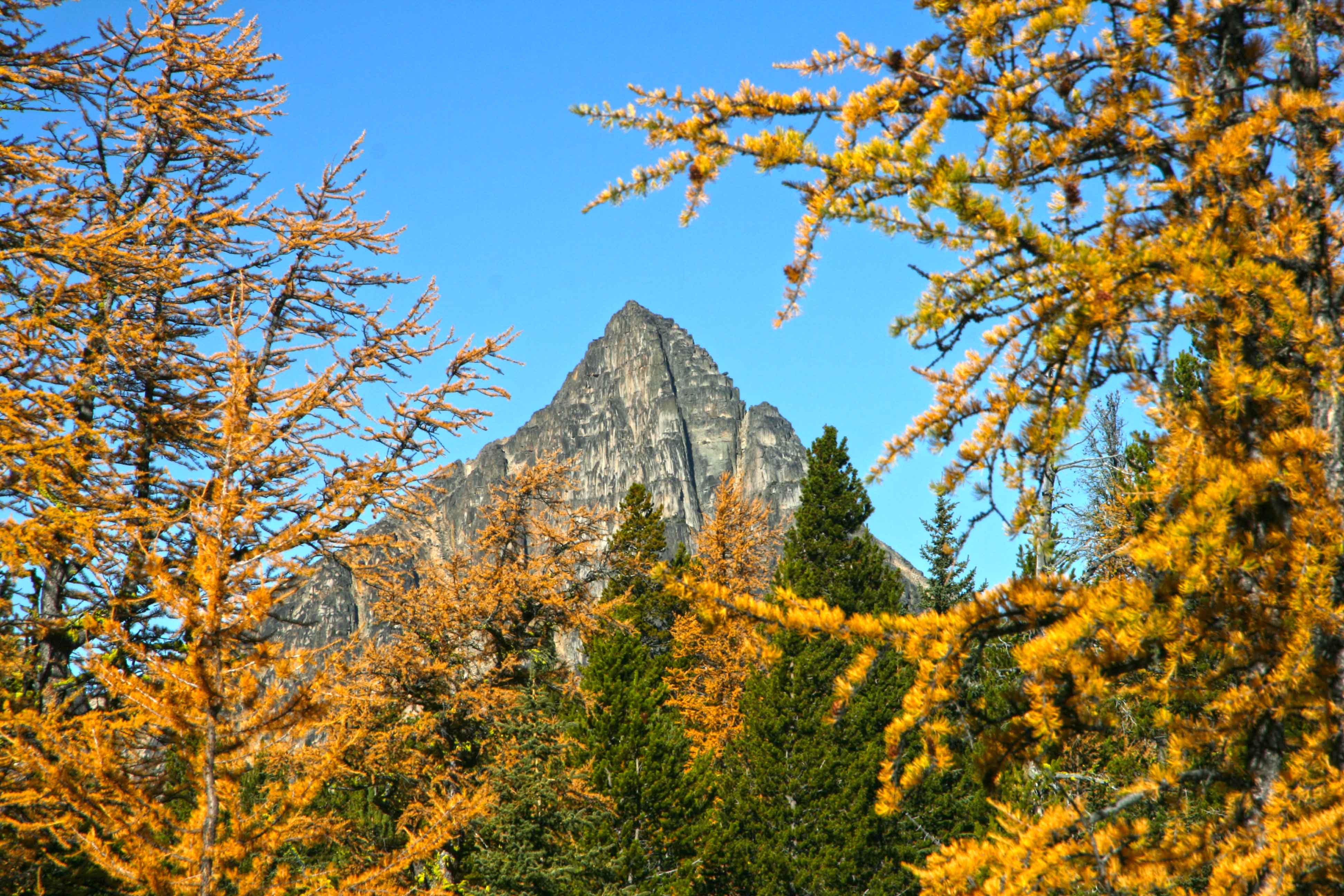
The southeast face of the peak is remarkably steep and actually looks out of place. The eastern Pasayten is better known for its rounded peaks than its jagged summits.

This entire area looked more like it belonged in the Southwest than the Northwest!

After untold numbers of stops for more picture taking we arrived at the pass. And there was heaven! Amphitheater Mountain on the south shoulder of the pass

and Cathedral on the north,

to the west a sweet basin containing Upper Cathedral Lake. Amphitheater Mountain is a very long (1.5 miles) sweeping, rocky ridge.

Viewed from Cathedral Pass its quite a sight, Amphitheater makes a 100 degree turn and so you can view both faces, or arms of the mountain from one spot.

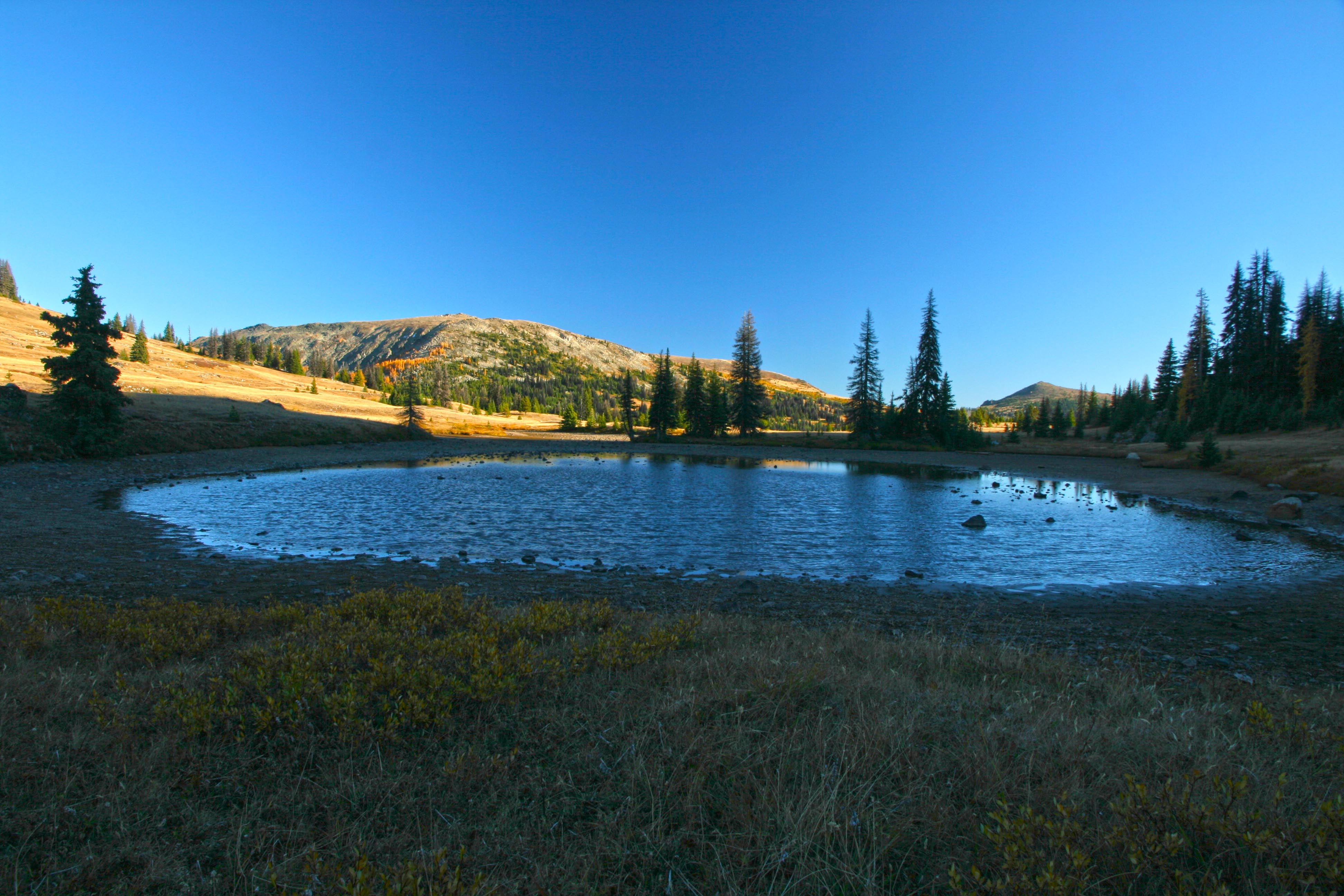
We strolled down into the upper basin where there was a large snowmelt pool.

The view from here of Cathedral and Amphitheater was so incredible we decided to camp right there and leave further exploring for the next day.

The pool provided many reflective photo opportunities when the sun started setting.

Before starting our trip back we took a few minutes to head over to Upper Cathedral Lake.

The lake was more than half covered in snow and ice, the southwestern end of the lake ripples at the sheer base of Amphitheater Mountain.

There are many great camping spots and we saw several anglers trying their luck.

The classic view of Cathedral Peak is taken from this SW corner of the lake.

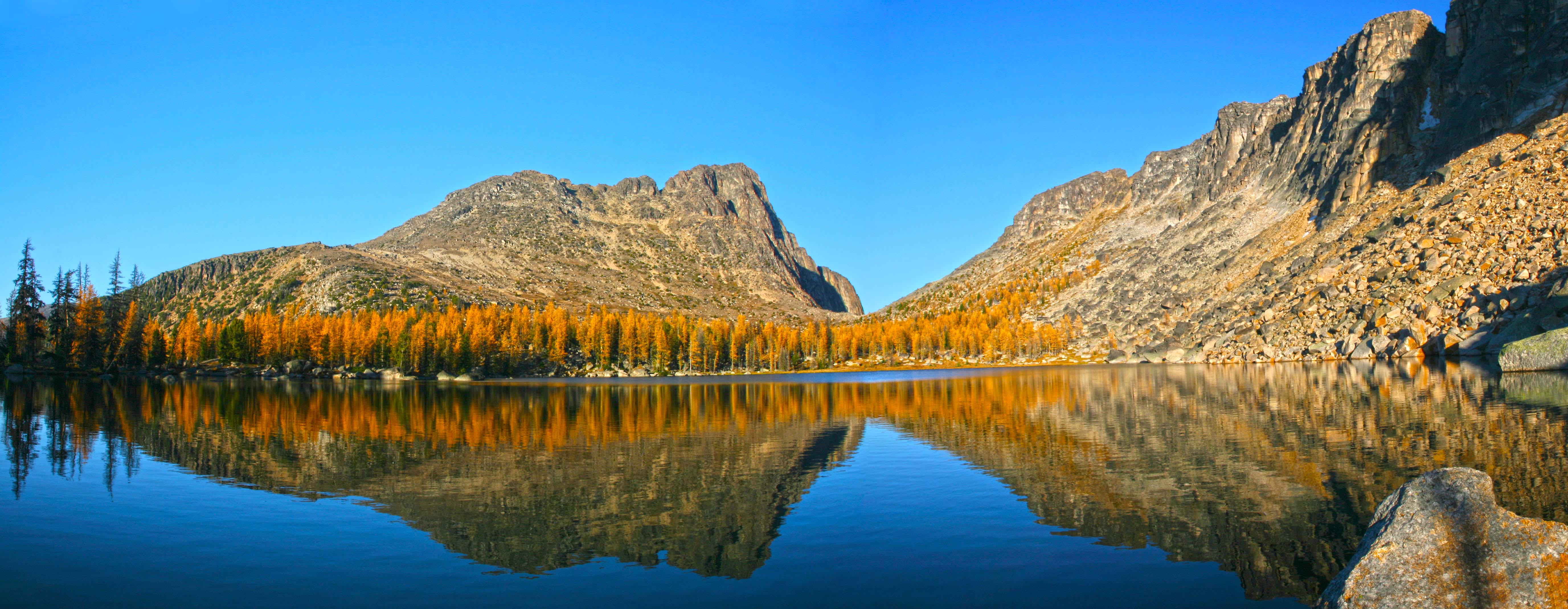
From here one can see that the entire basin is filled with larches. Coming back when they turn yellow will definitely be part of the plan for the fall!

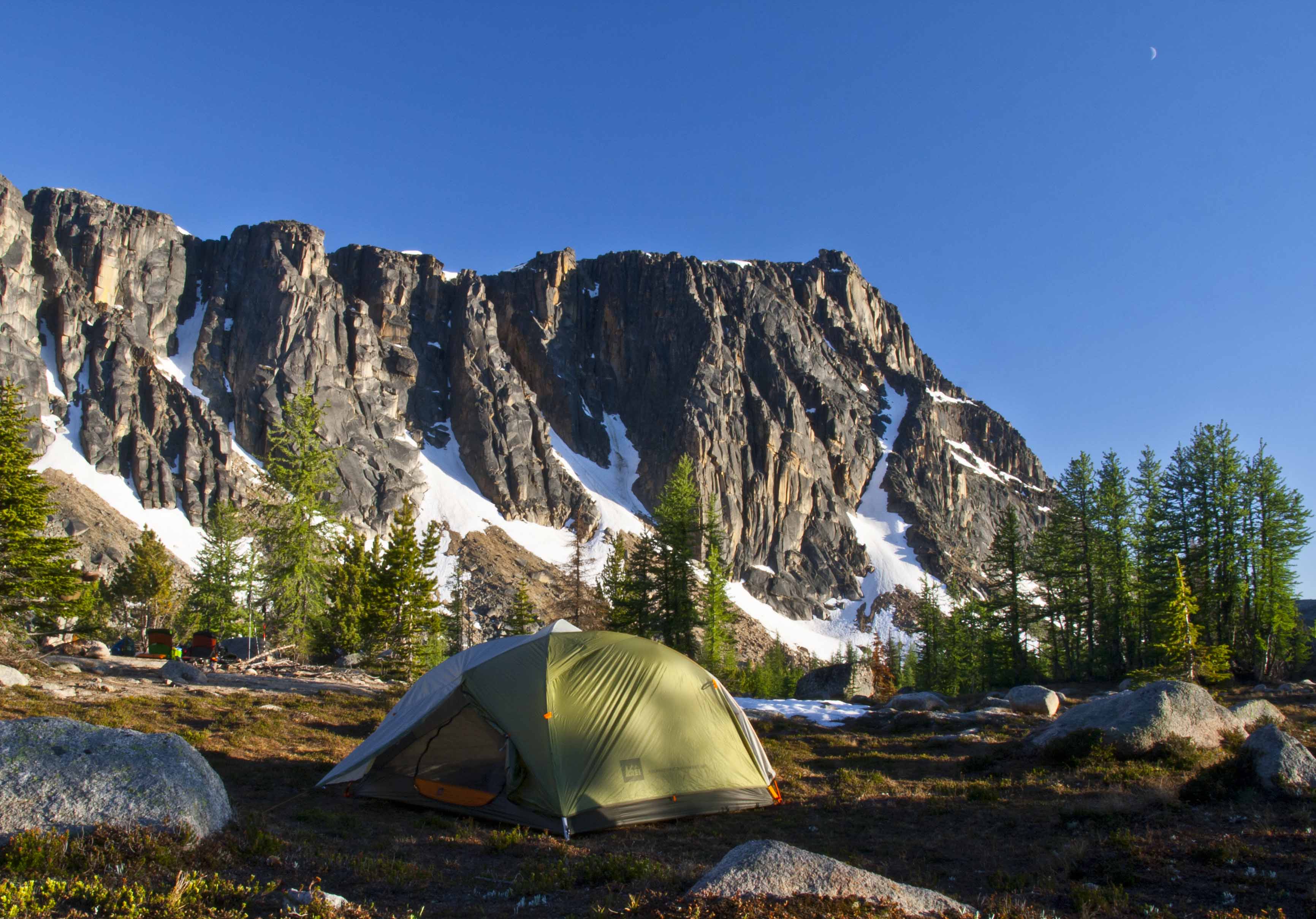
Here is our camp site below Cathedral Peak, looking at Amphitheater Mountain…

The only single thing detracting from staying at Cathedral was the bugs. The incessant drone of mosquitoes compelled us to consider finding a new camp for the night.

The day before when we were at Apex Pass we hadn’t noticed many bugs, and the view was fantastic, so we packed up and headed back there to camp.

We arrived and found a place to set up the mesh tent in the shade, where we had a stupendous view.

It didn’t take long before we realized that a) there were even more bugs at Apex Pass, b) even with a mesh tent in the shade we were literally cooking in the tent.

Our view was beyond compare, but as the day got longer we grew hotter and grumpier from being held captive in out stupid tent.

There were a few more hours before it got dark, so we quickly packed and hit the trail.

Passing through the mine again did not reveal any more grizzlies and we made it back to Scheelite Pass as darkness fell.

Its always interesting to me that even when I have already hiked a trail my memory of it is can be so off.

No doubt my physical and emotional state alters my perception of the difficulty/beauty of the trail. In this case being hungry, tired, in a hurry to reach a new camping spot, and completely DONE with mosquitoes it seemed that the trail was MUCH longer.

The following day we hiked all the way back to the other side of Sunny Pass, passing through Horseshoe Basin. This time we spent some time at Louden Lake and got some great pictures of the lake and the wildflowers.

A couple of years ago I made a trip to Entiat Meadows, in the eastern part of Glacier Peak Wilderness. The fields/meadows/tundra in Horseshoe Basin didn’t look any different than Entiat.

But what do I know! I’m just glad that the mention of tundra caught my attention!

October 1 – 4

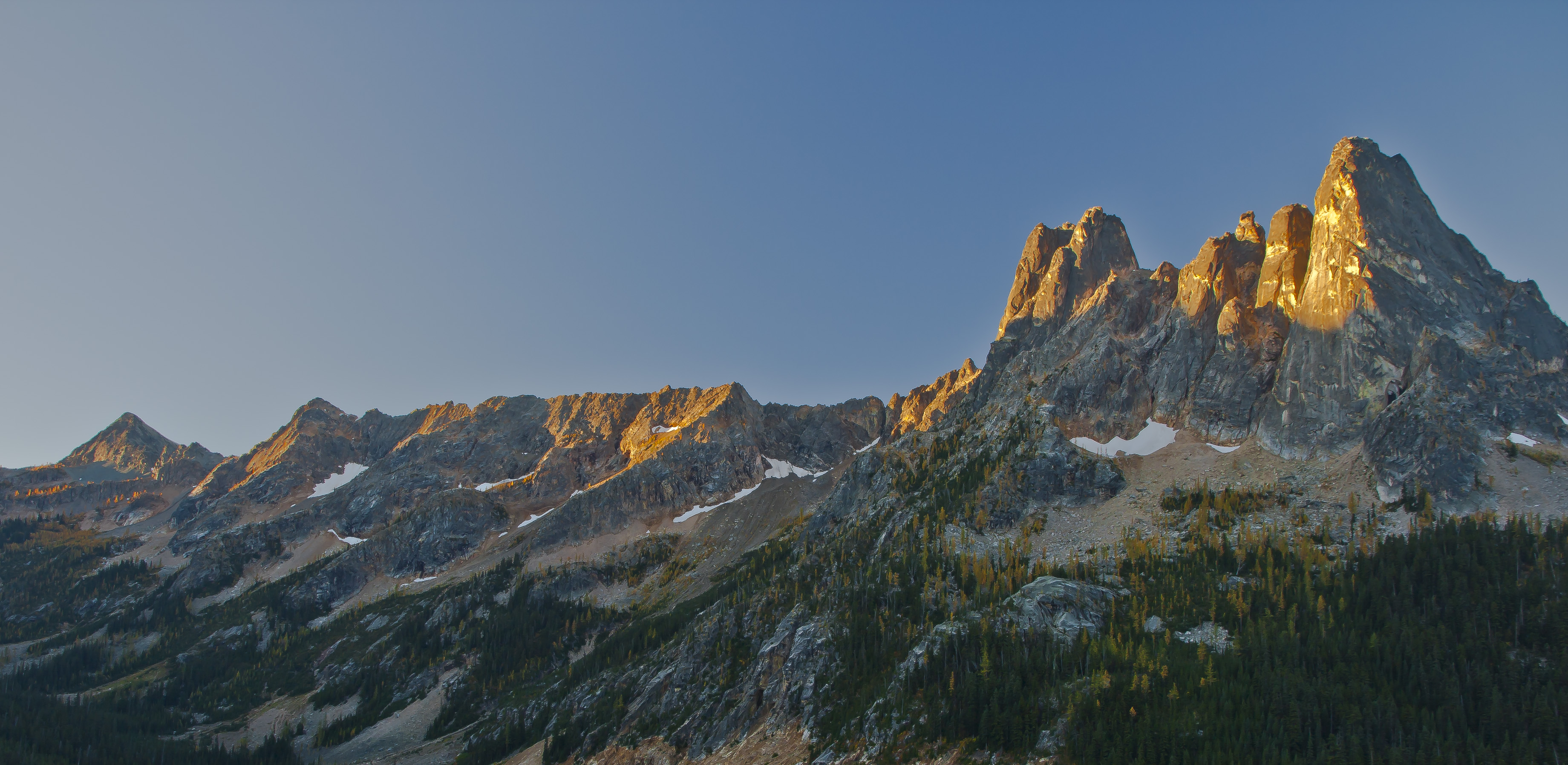
It took a little finagalin’ to get the time to go, but we did it! We left Thursday night, Sept 30 and headed up to Washington Pass. I wanted to get photos of Liberty Bell at sunrise/sunset,

so we camped out along the start of the Blue Lake trail and captured a few images.

We retraced our earlier trip, heading to Tonasket, up to Loomis and to Iron Gate Trail Head.

The road to the trail was itself spectacular, great fall colors.

There were very few cars at the trailhead…

We arrived and got started, we passed through Horseshoe Basin, with its now brownish tundra,

passed almost gone Louden Lake,

and made it to Teapot Dome by night fall.

During the entire trip we did not see one other person.

Our plan was to do about 14 miles a day, 4 days total there and back.

The nights were COLD and the days perfect, blue skies and no clouds. It is really so much more pleasant to hike with NO bugs! I need to do more fall hiking.

We had some concern that there may not be water available along the trail, now that it was fall, but we found an abundance of water all along the trail.

Hiking along the Boundary trail is such a pleasant experience, easy grades, great views,

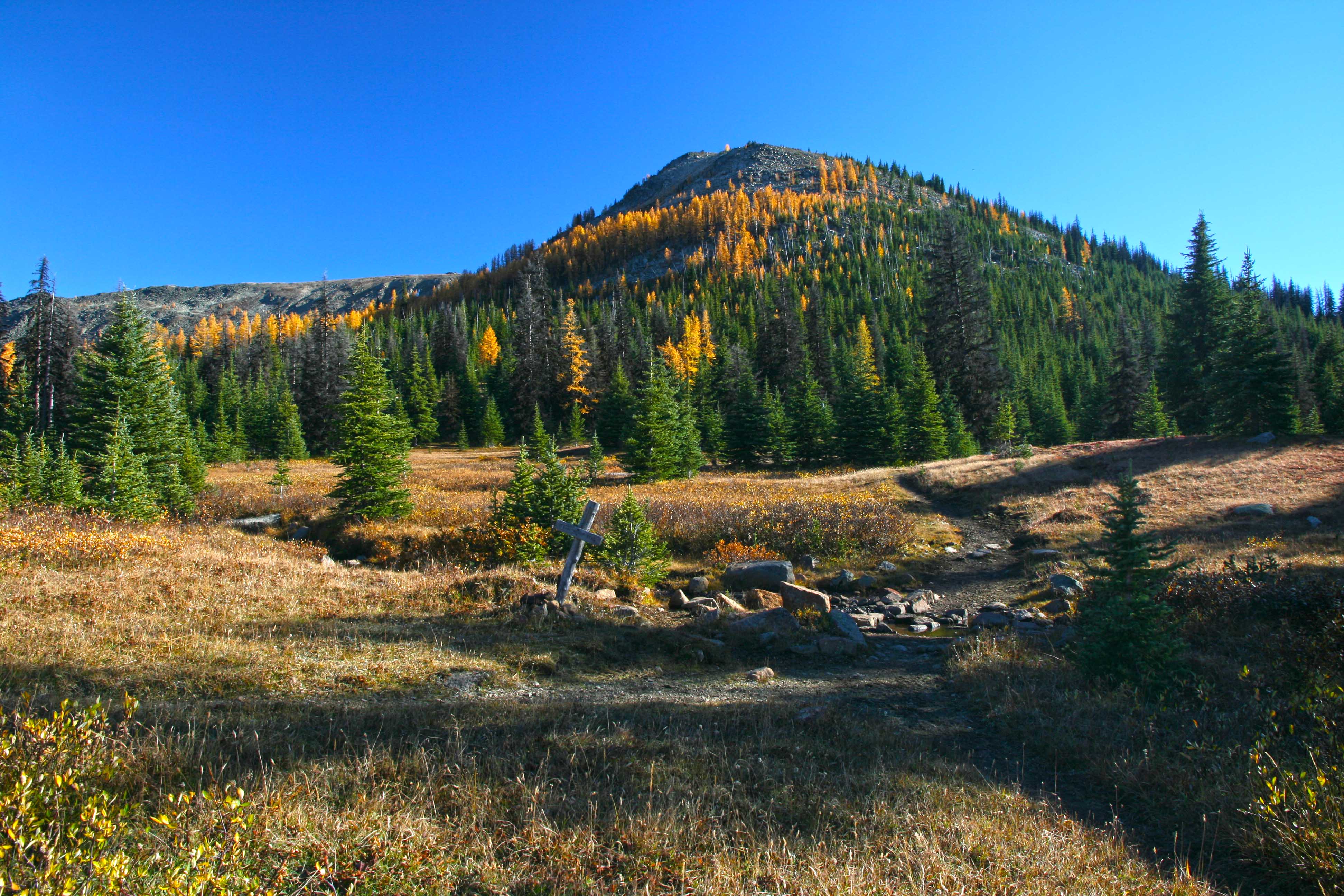
lots of sun. We could see the band of larches across the valley, on the side of Windy Peak.

As we approached Apex Pass we were again awestruck with the views,

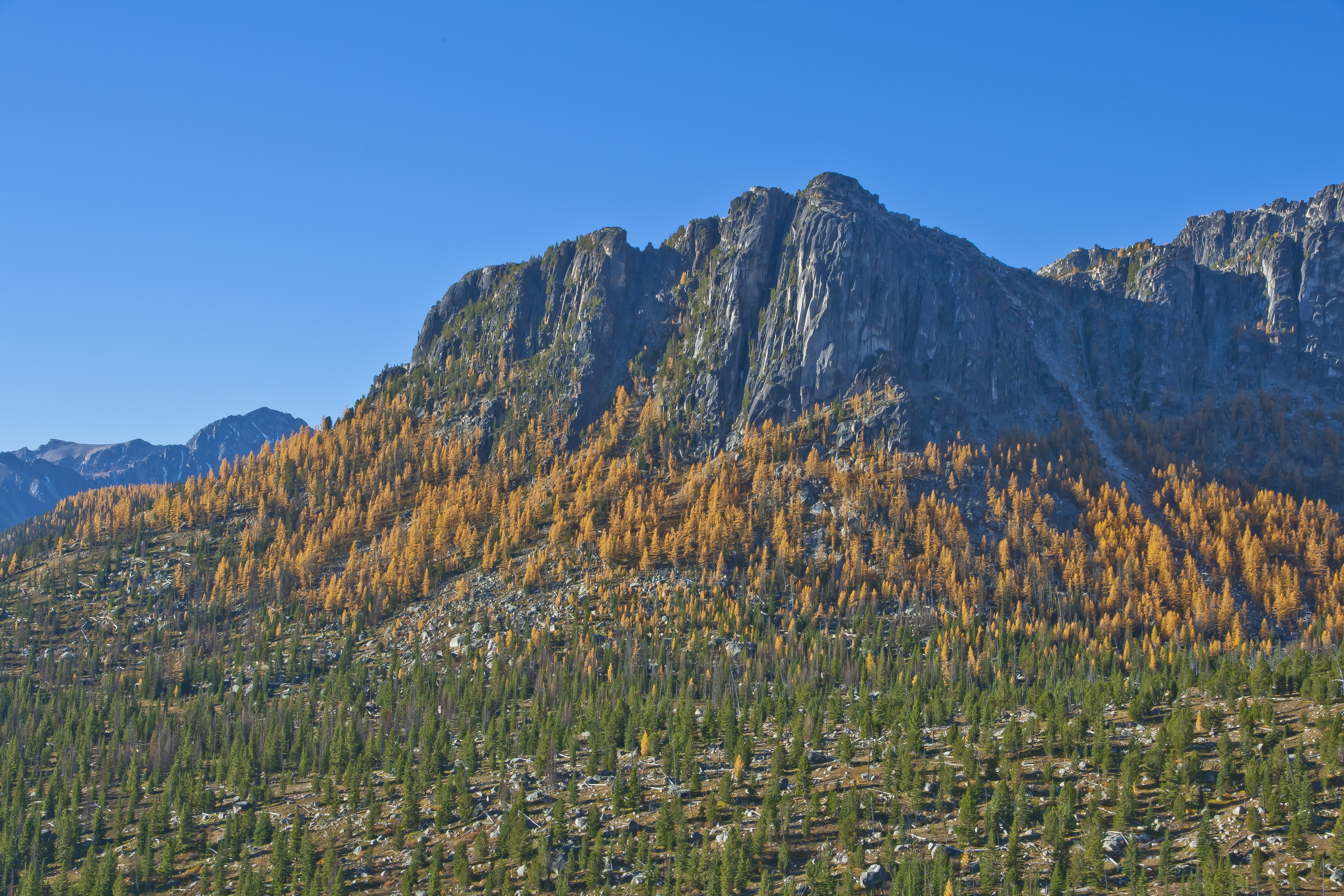
only this time the larches added so much color to the experience.

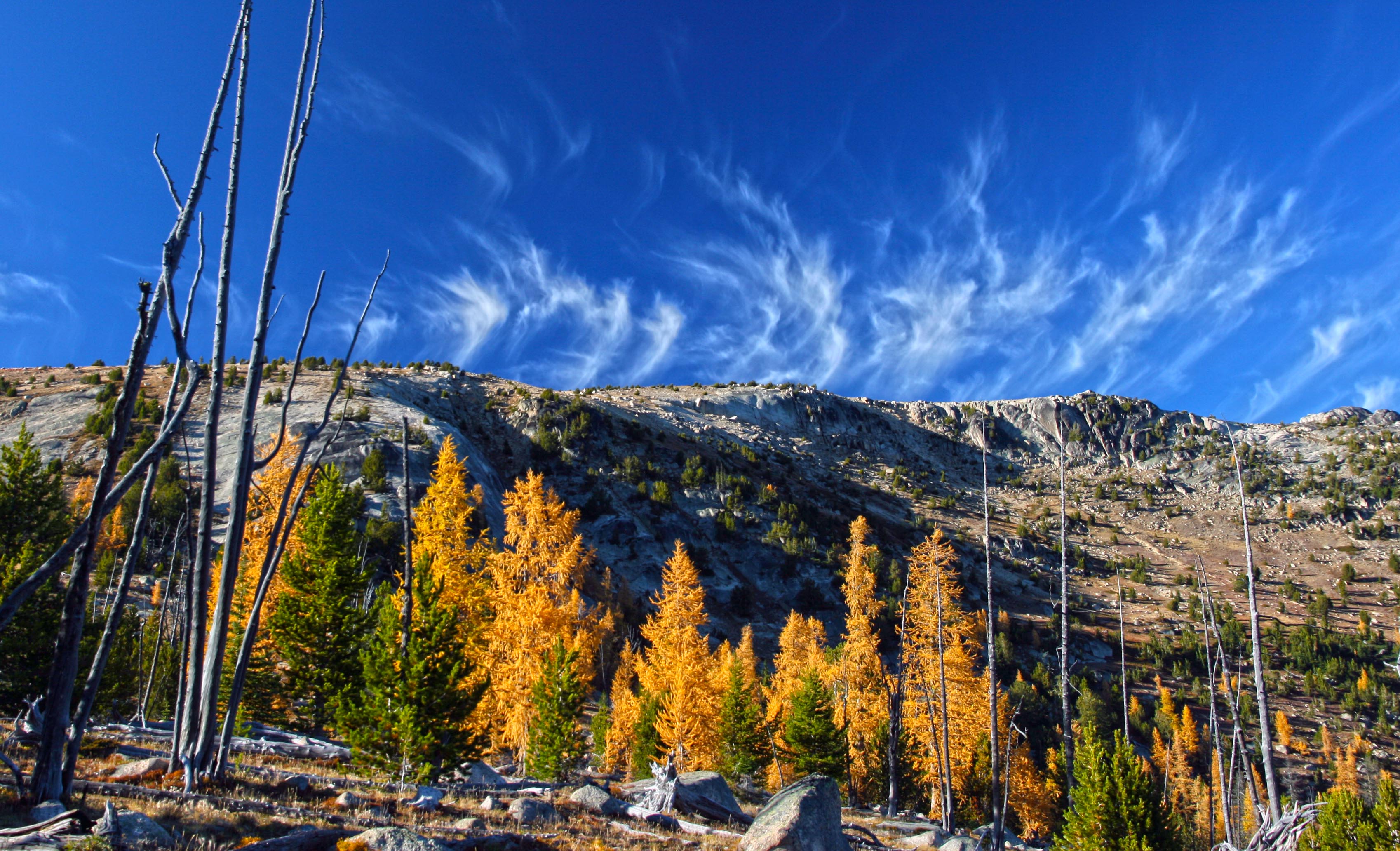
The larches look like a swath of orange painted across the mountains…

The larches seemed to find a specific elevation, creating a swath of outrageous color…

Its interesting to compare the images from early summer to fall…

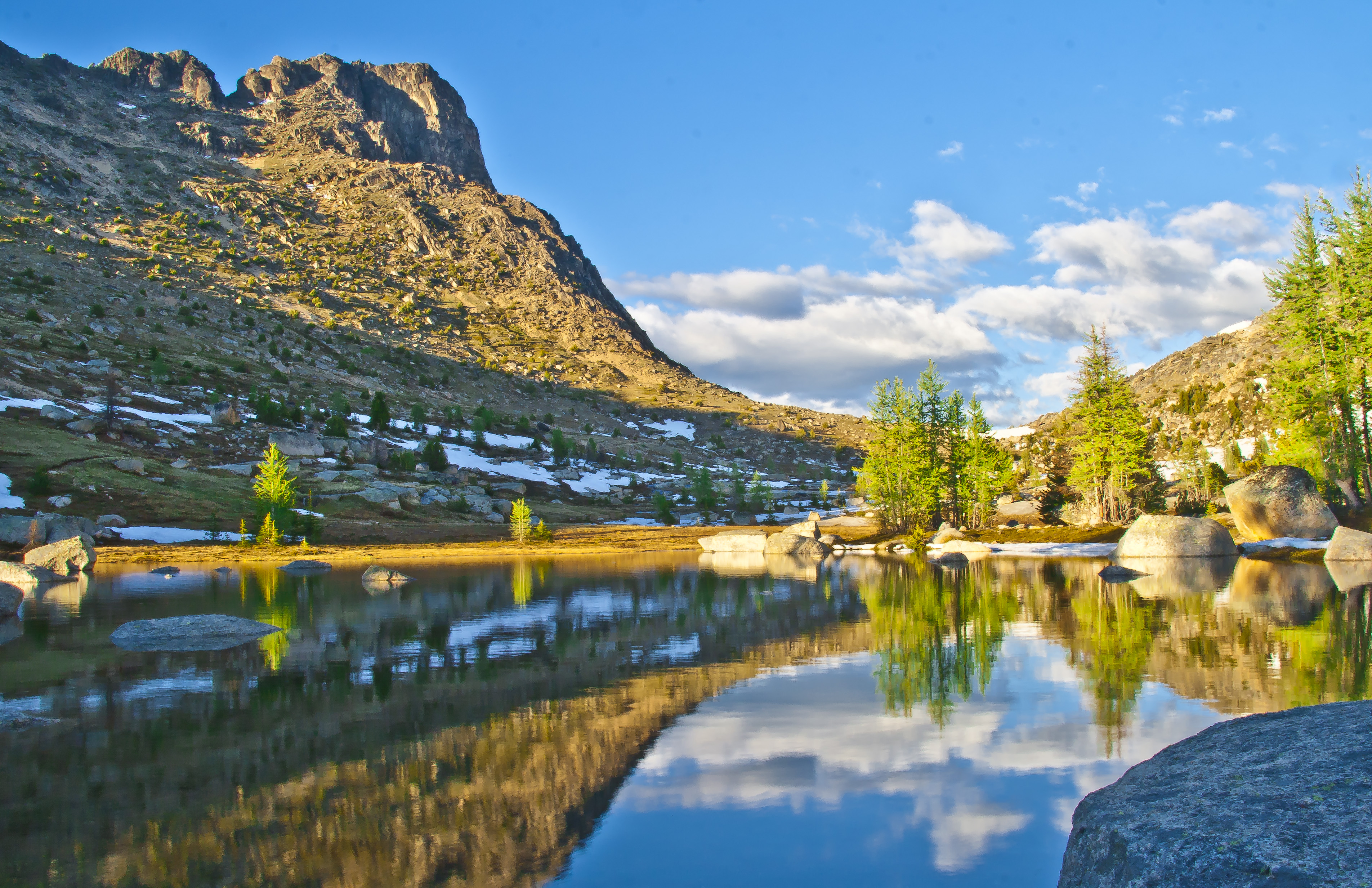
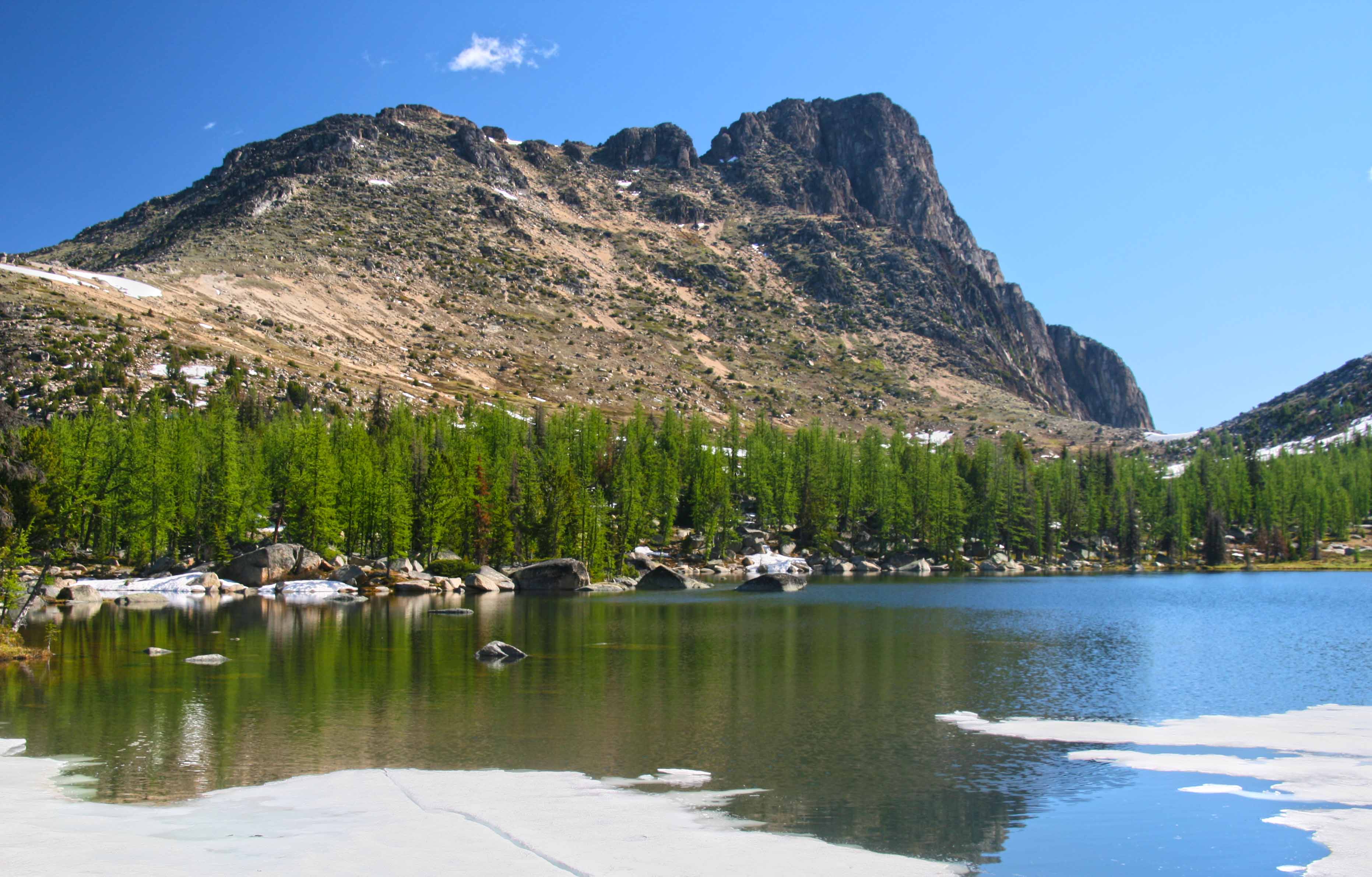
Remmel Mountain from the Boundary Trail, Pasayten Wilderness

We reached Upper Cathedral Basin about an hour before sunset,

almost 30 miles in two days, its a good feeling to reach the final pass!

Any lack of energy I was feeling soon disappeared as we reached the pass and looked down towards Cathedral Lake

Luckily we had about 2 hours yet until sunset.

We hurriedly set a camp and rushed down to the lake to get images of the sunset.

The orgy of photo taking ended a few hours later.

I was definitely in sensory overwhelm!

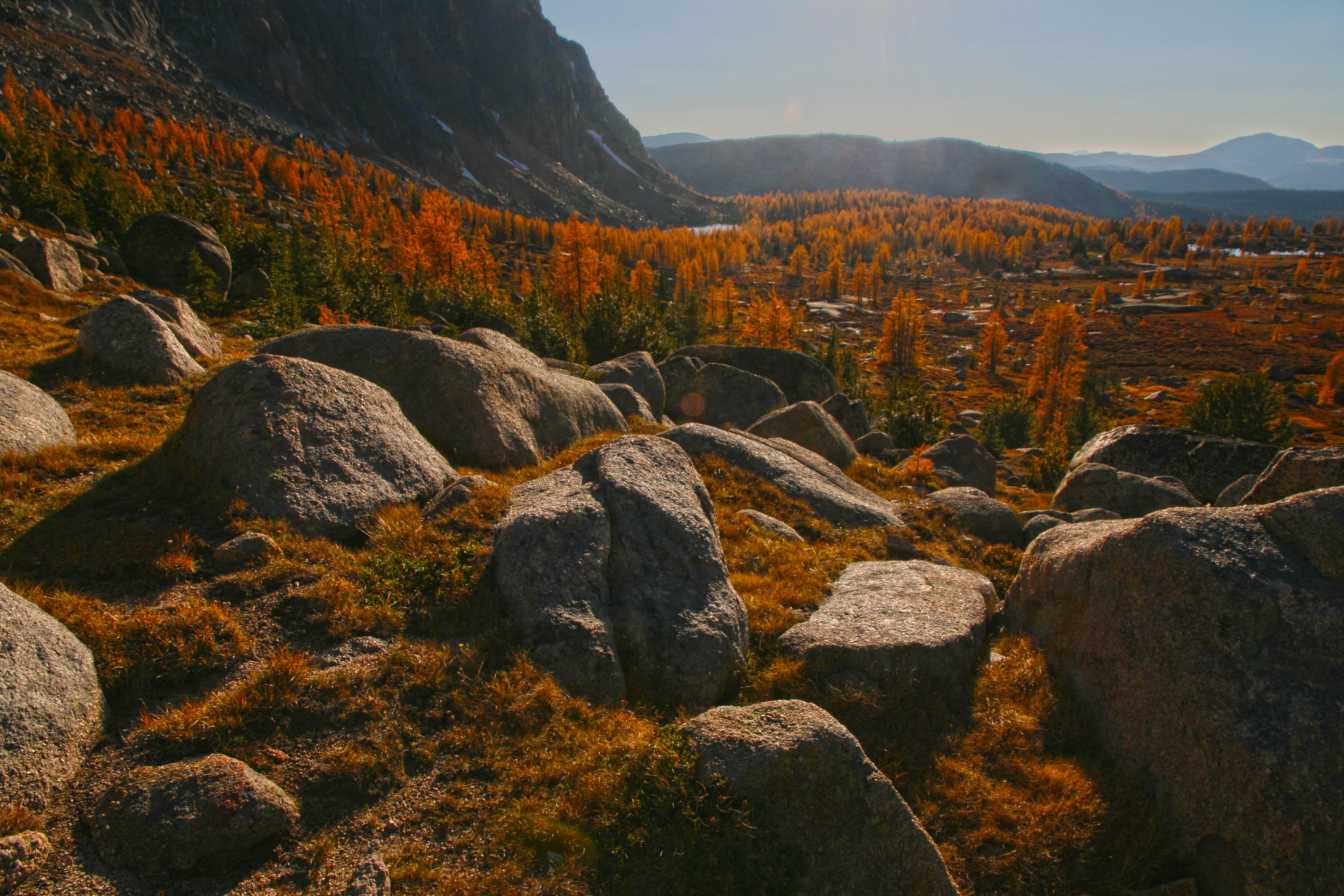
The larches looked like they were plugged in.

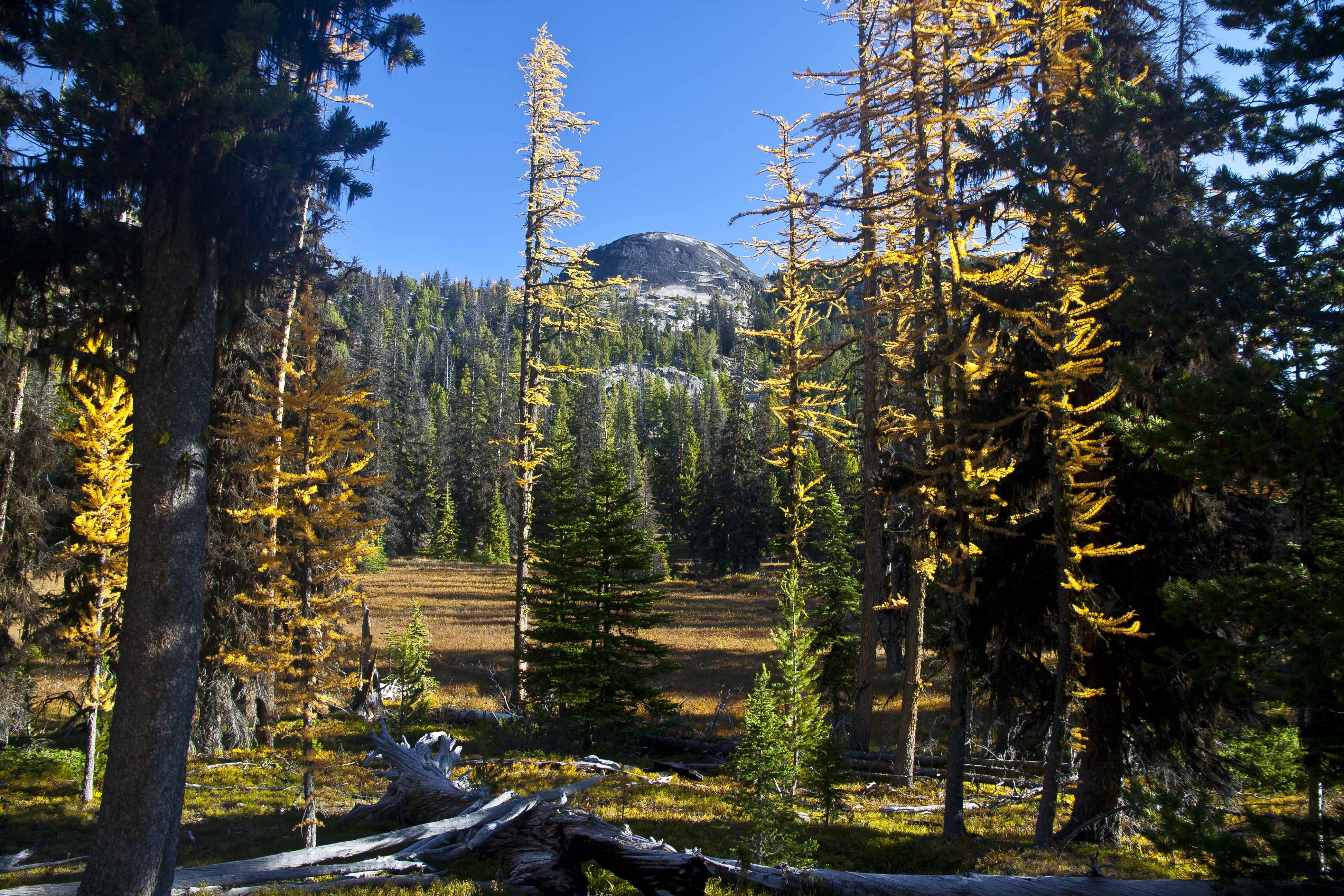
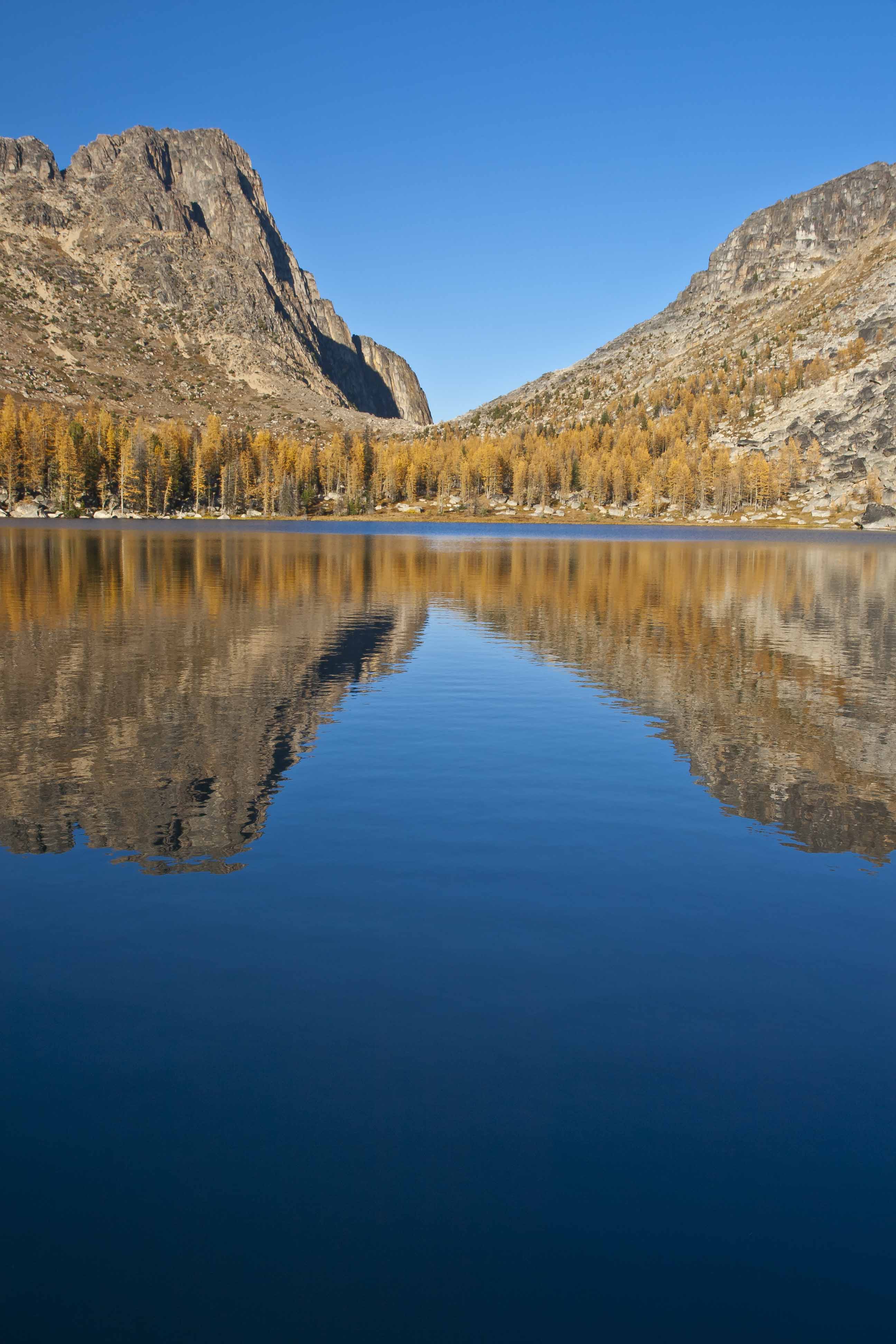
The Upper Cathedral Lake Basin was filled with them.

It was a perfect evening: blue skies, orange larches and no bugs!

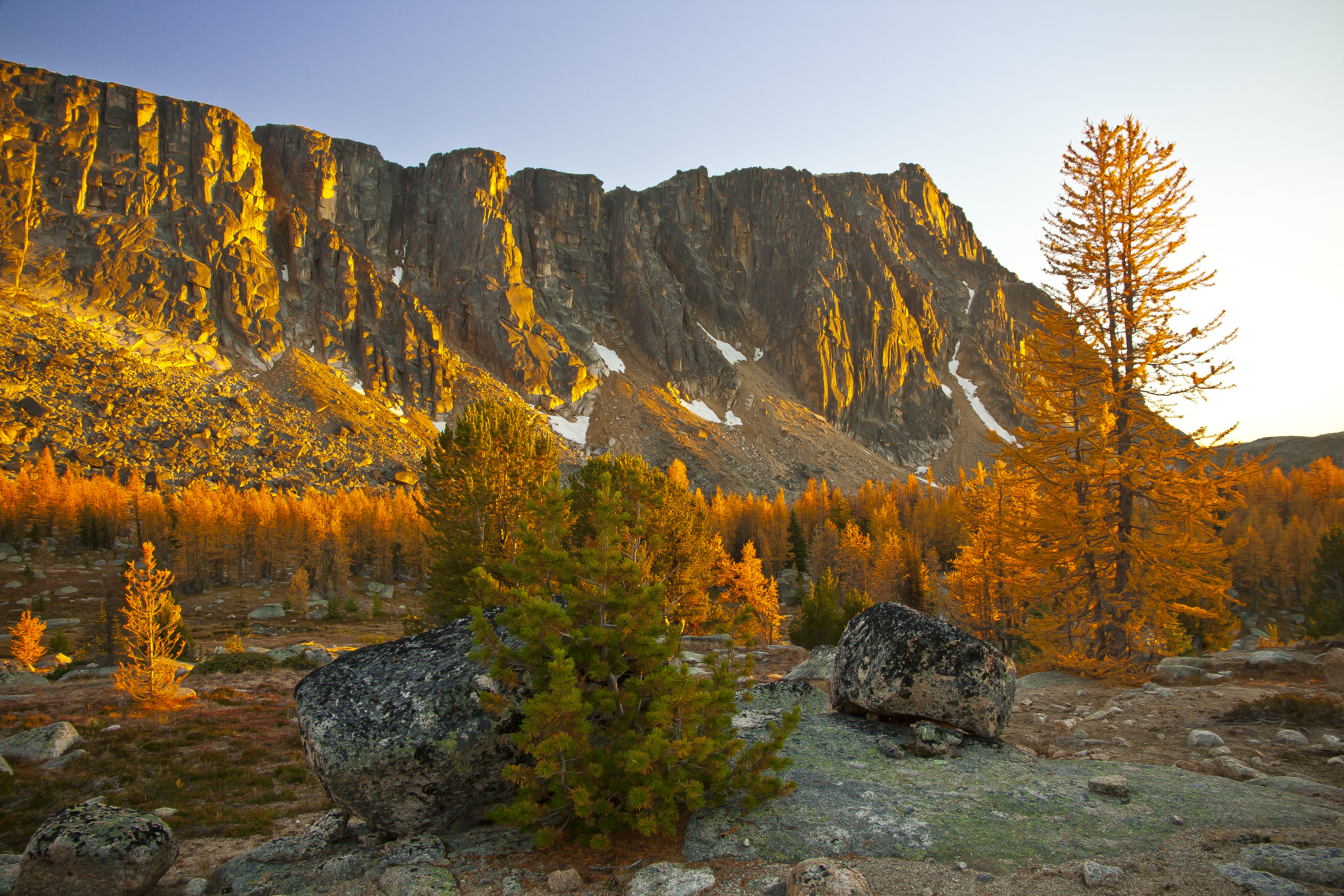
The entire basin was afire.

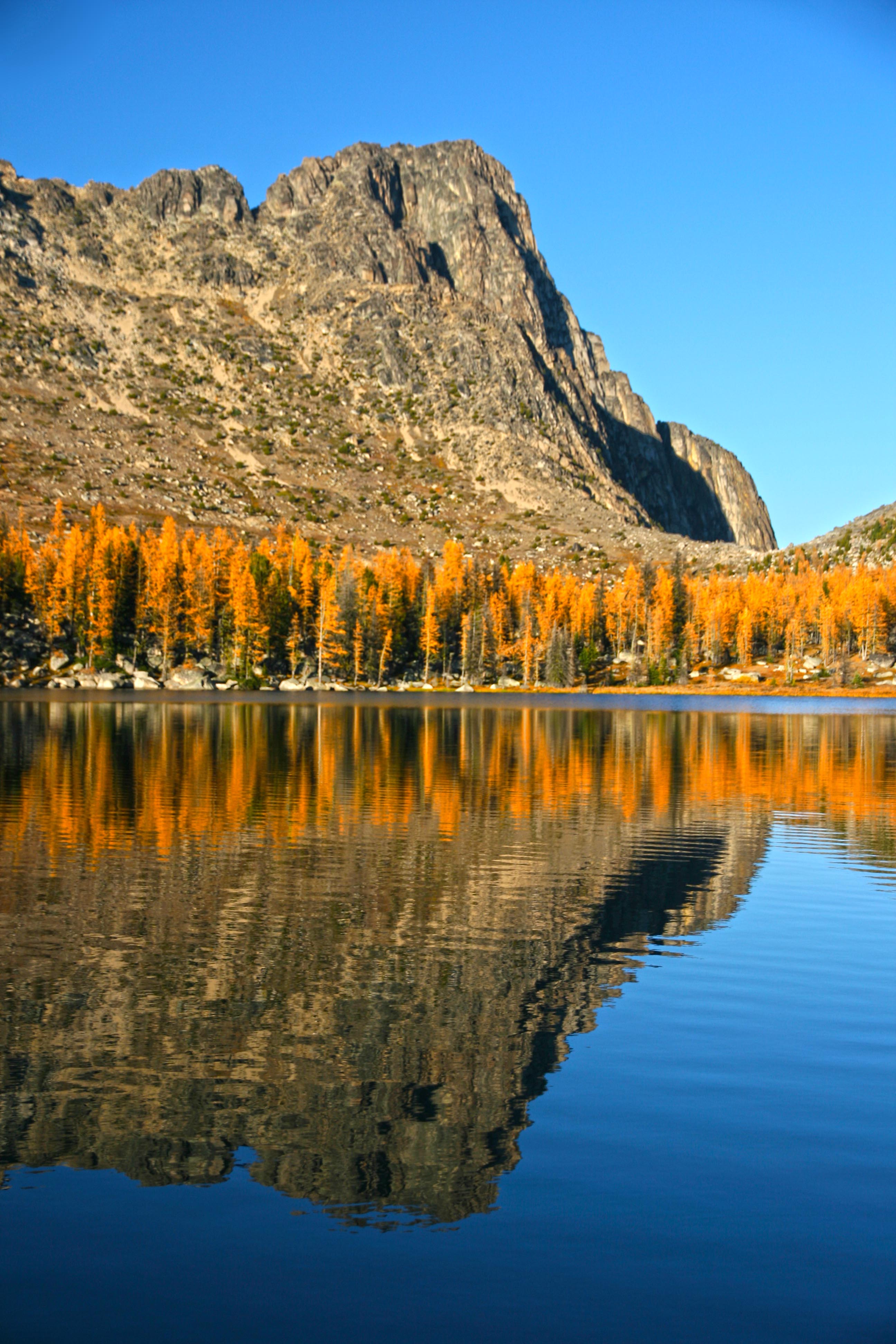
Amphitheater Mountain was stunning.

Blue, black, green and orange…

As the sun set the larches became even more rich in color.

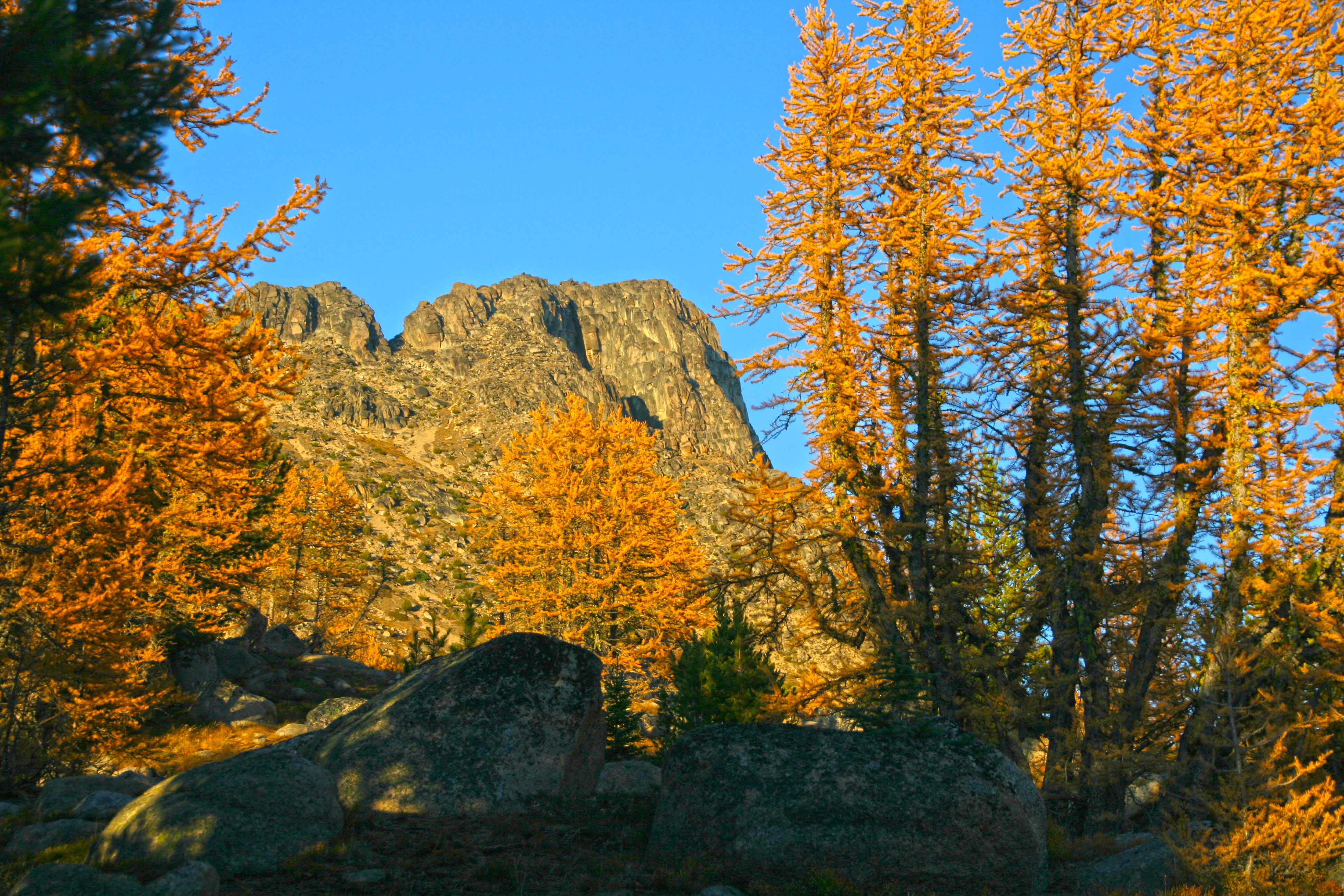
The trees made perfect frames for the peaks.

I definitely took many pictures!

After an hour or so it was hard to continue, the sensory shock was upon me!

We finally made it back to camp and had some dinner while the final rays of sun shone in the basin…

and we slept very well!

We arose early the next day and started our journey back.

Late Sunday afternoon as we approached Sunny Pass it got cloudy and cold, and we flew down the trail and off to Tonasket for some dinner and started the long drive back.

One of the most pleasant and scenic trips I have ever taken in the North cascades, both in spring, and fall!