Cape Disappointment

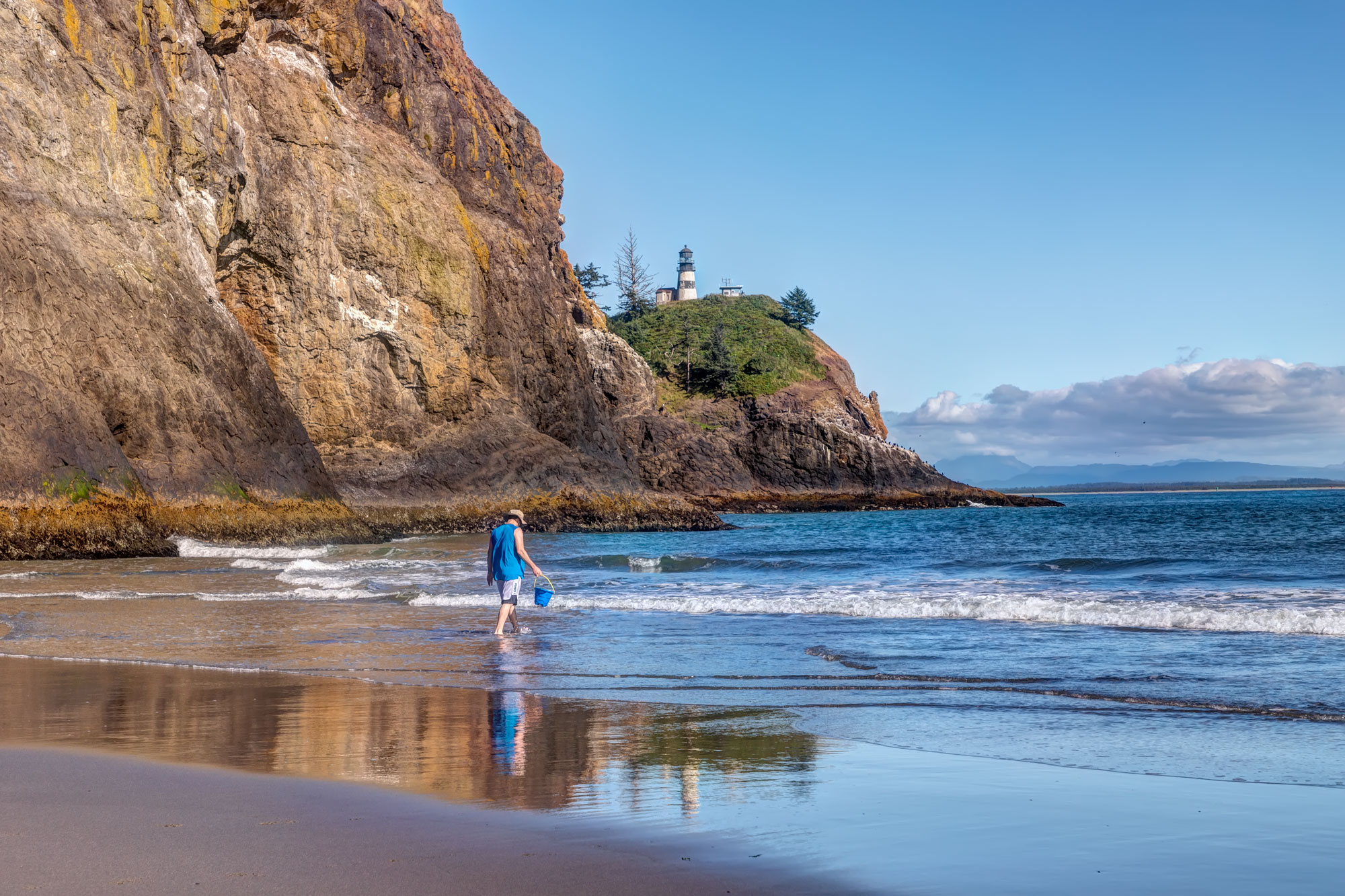
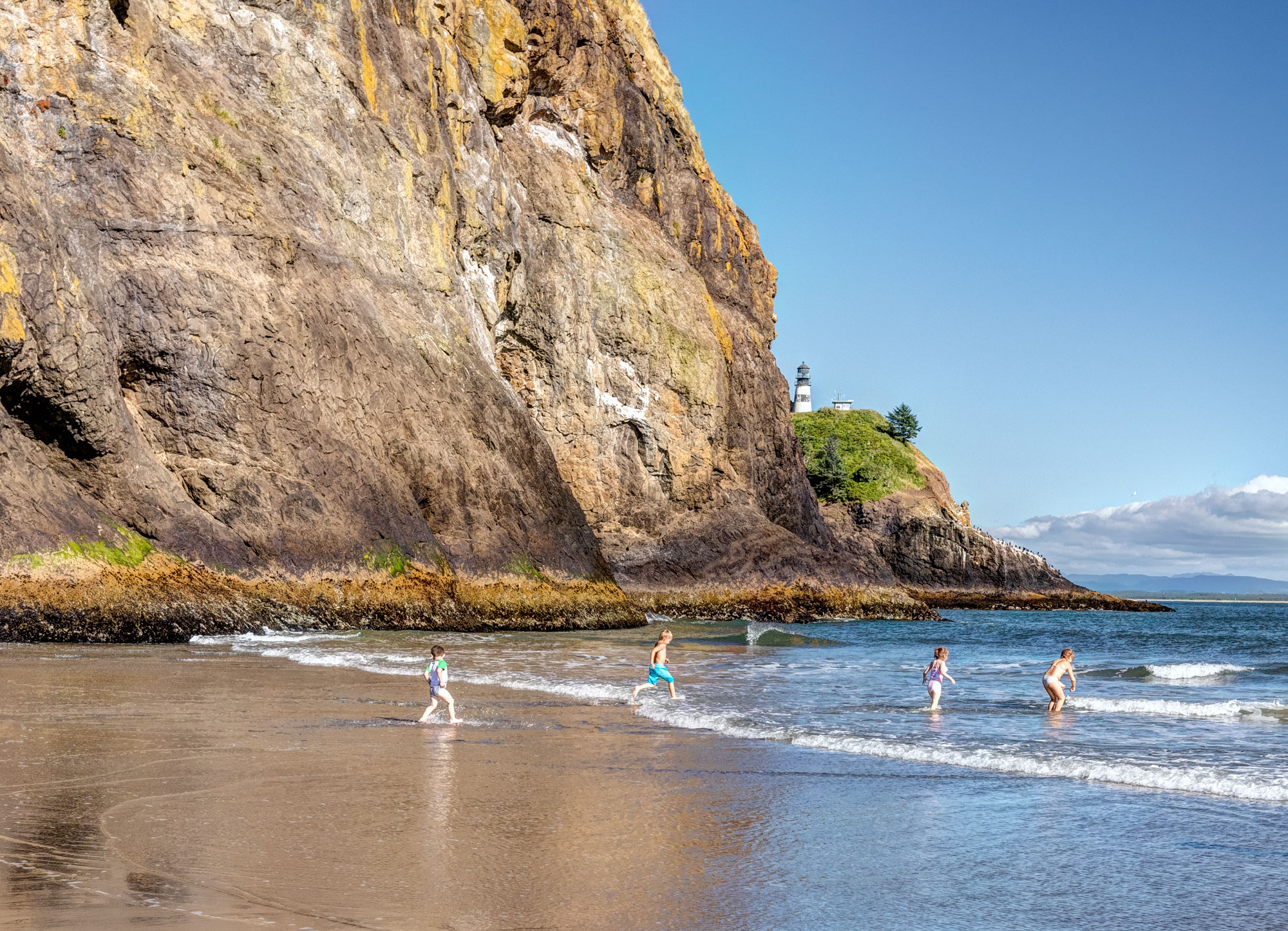
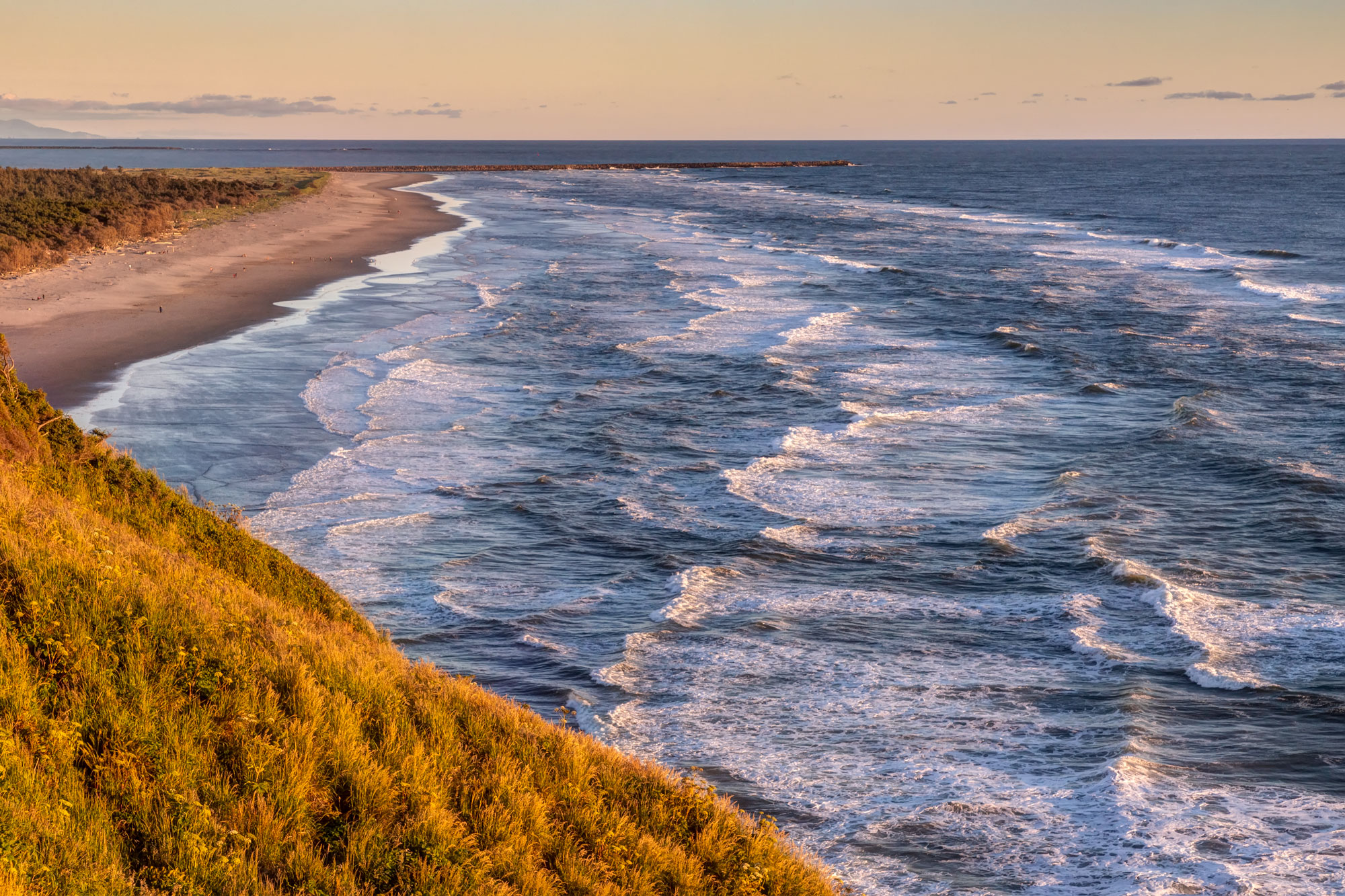
Cape Disappointment is located at the southwestern corner of Washington State, at the mouth of the Columbia River. There are two lighthouses, wonderful beaches and great camping in Cape Disappointment State Park.

The general area is known as the Graveyard of the Pacific due to the number of shipwrecks over the years. More than 100 days of fog each year! The Coast Guard has an active base at the Cape.

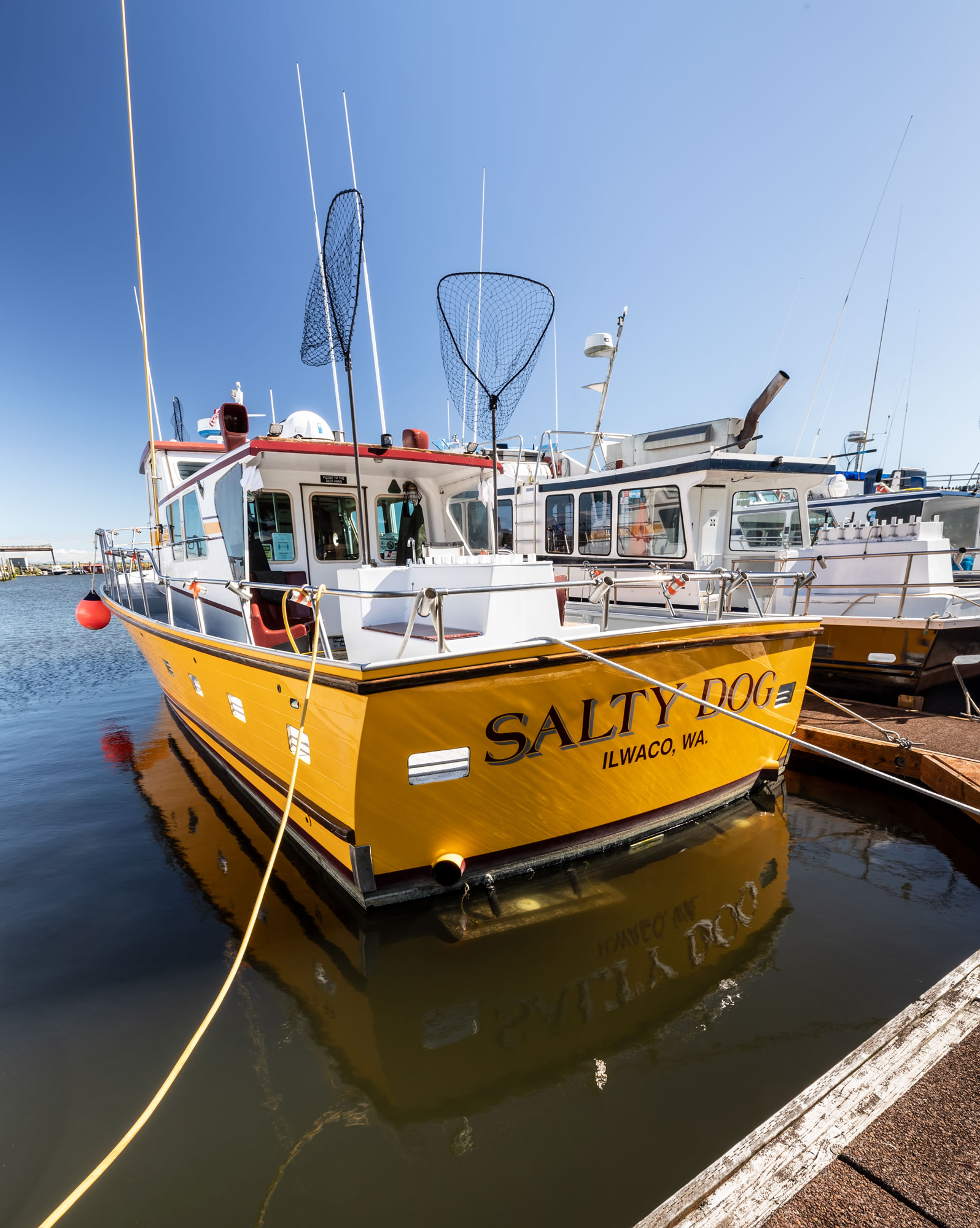
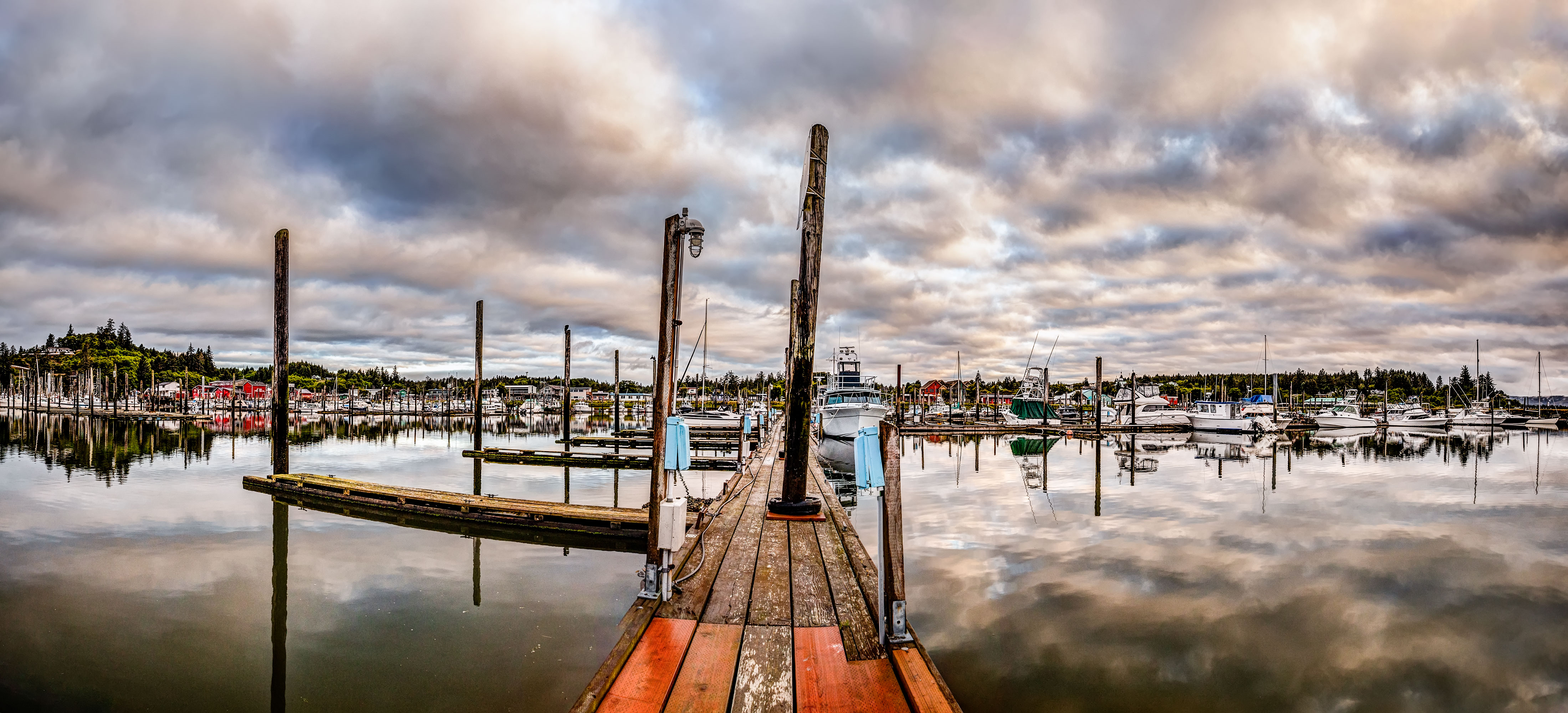
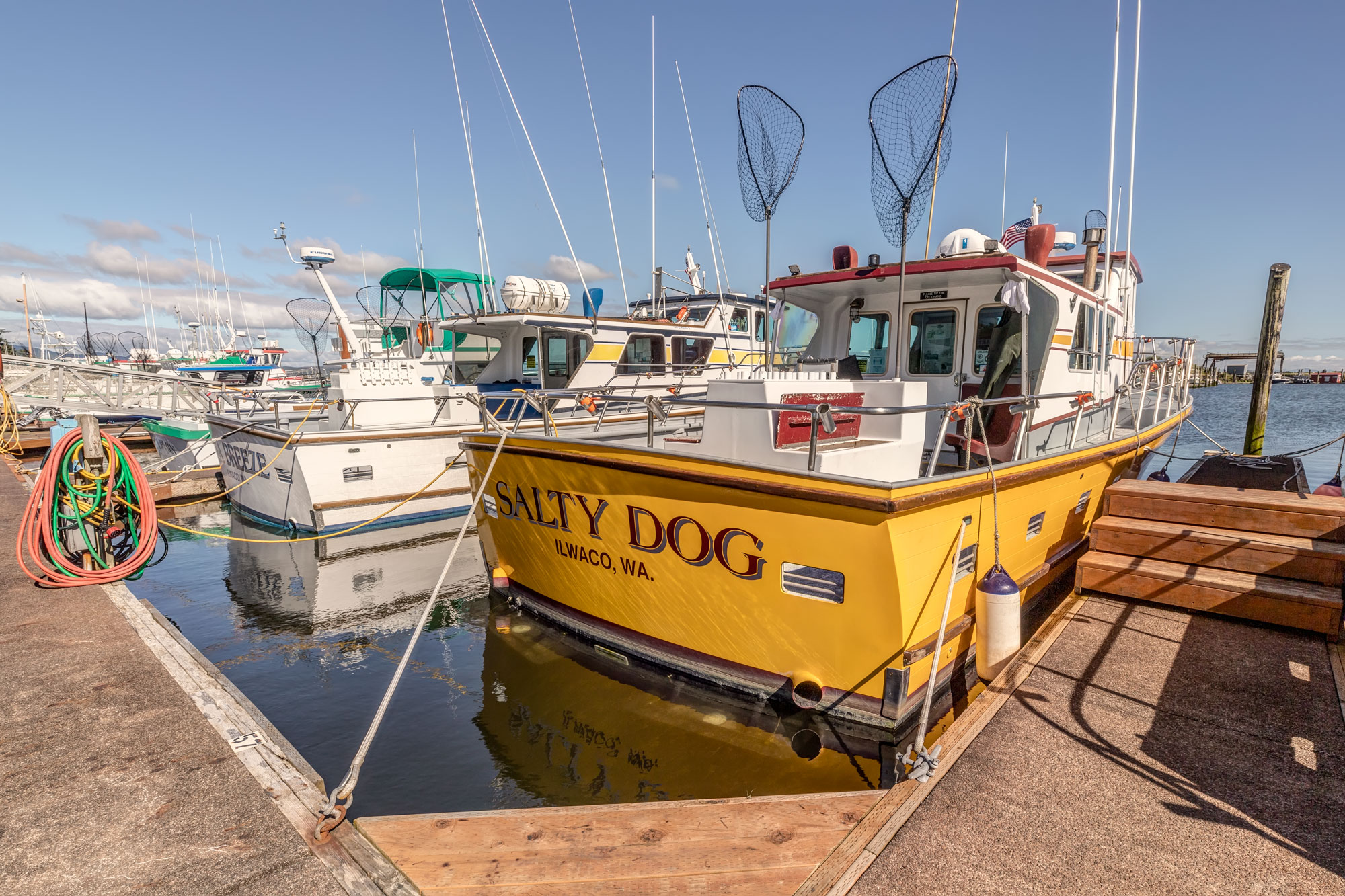
The nearest town is the Port of Ilwaco, with a nice marina and a few hotels. Oceanside is 10 miles to the north, a true Beach Resort Tourist Mecca…

The Cape is at the base of a long peninsula stretching north for almost 30 miles. In many places there is beach access with your car: you can tool up and down long beautiful stretches of sand… Highway 103 extends to Leadbetter State Park, at the northern tip of the peninsula.

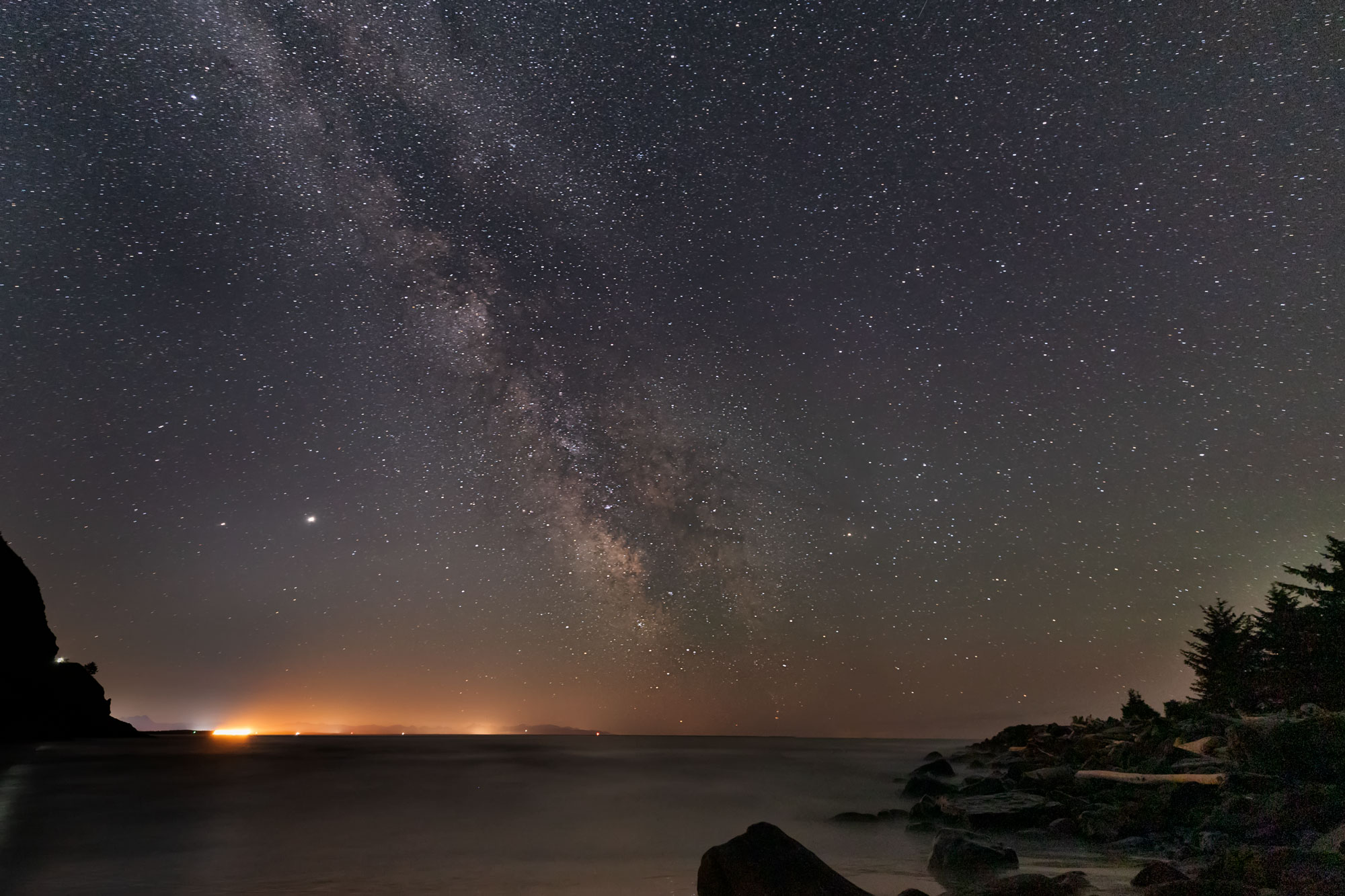
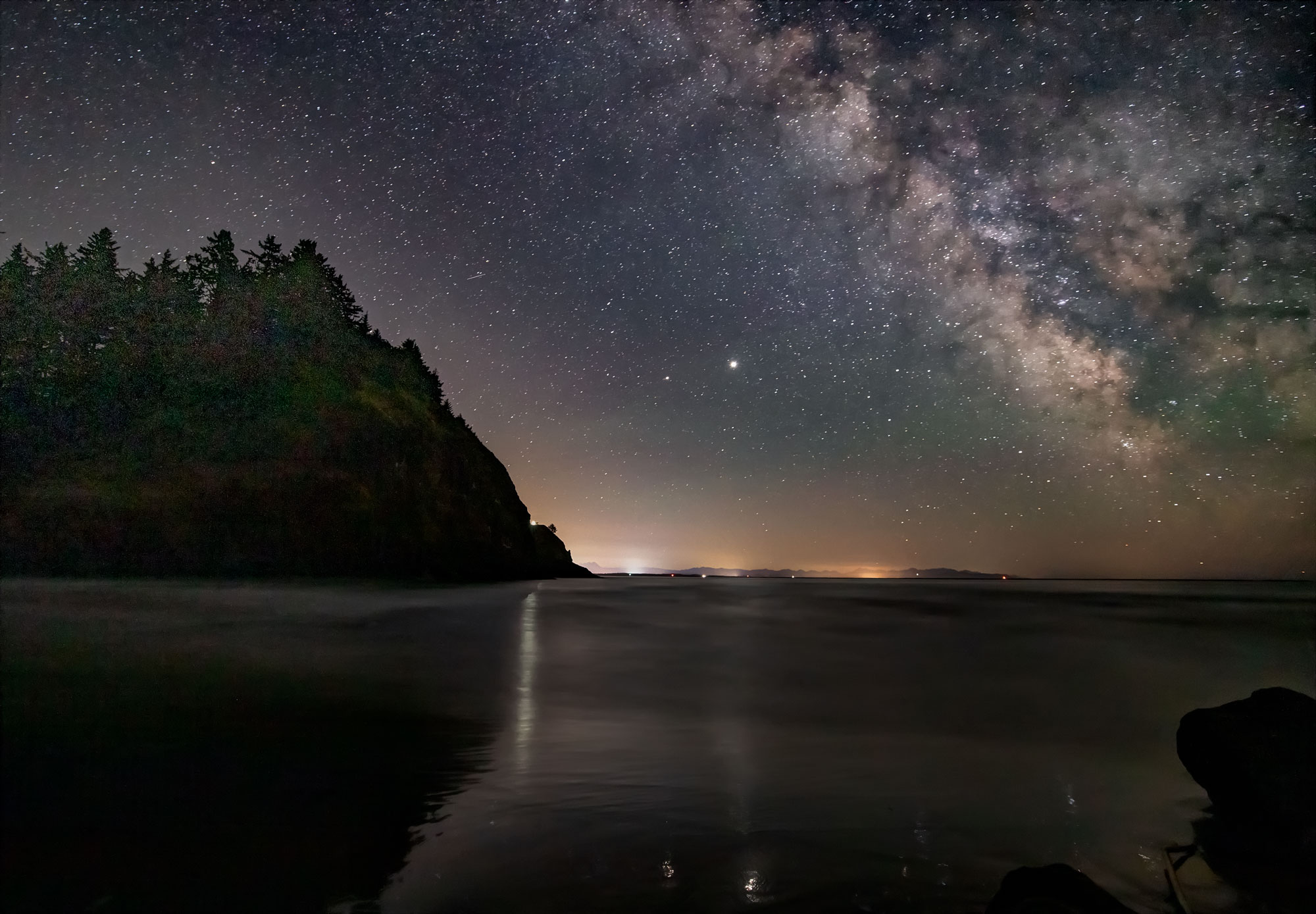
Not far from the South Lighthouse is small Waikiki Beach. Here are some day time and night time images from there:

The beacon of the South Lighthouse is visible, as well as the line of ships leaving the bay with the high tide. The two bright stars, to the left of the Milky Way are Saturn and Jupiter…

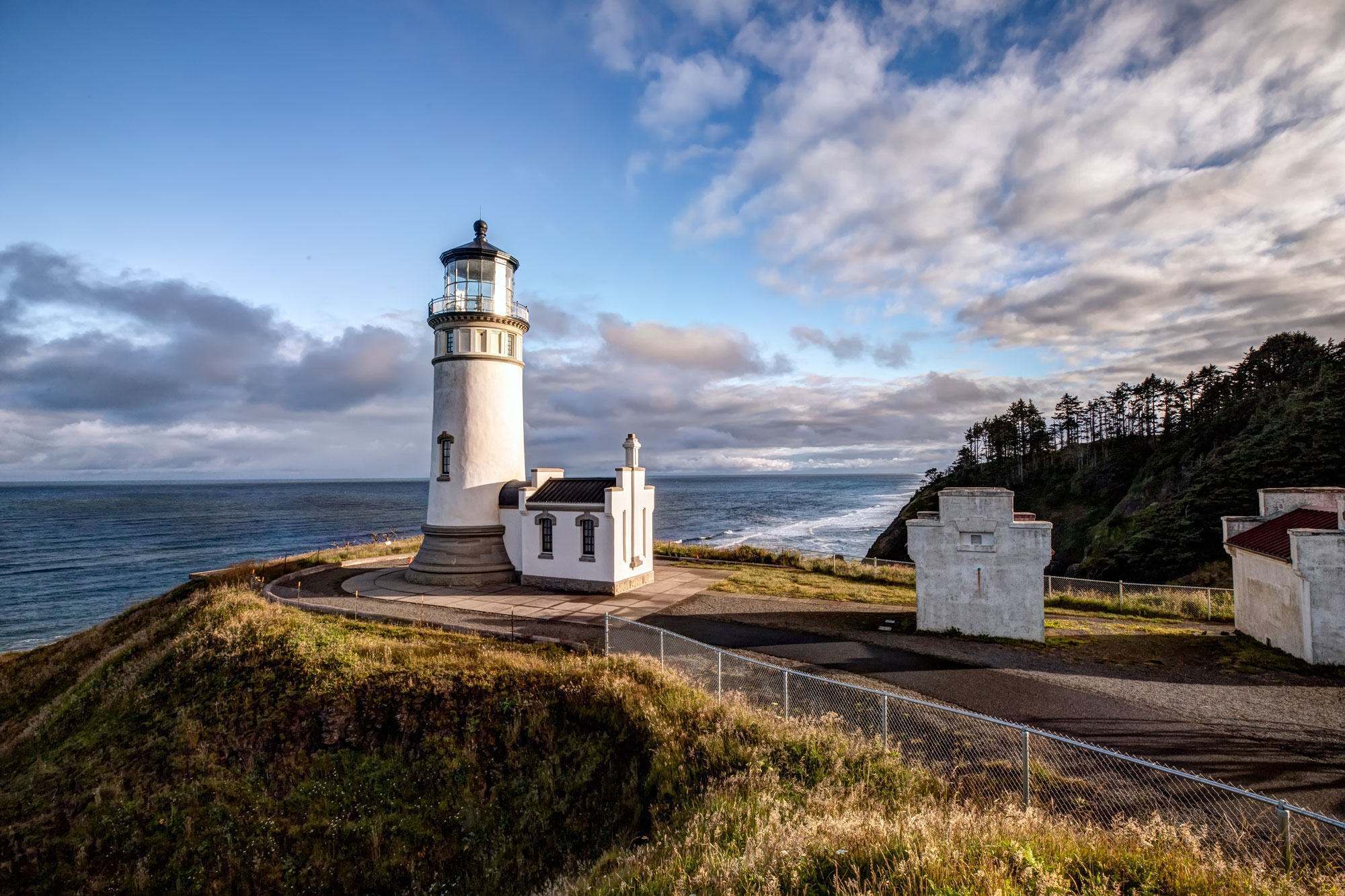
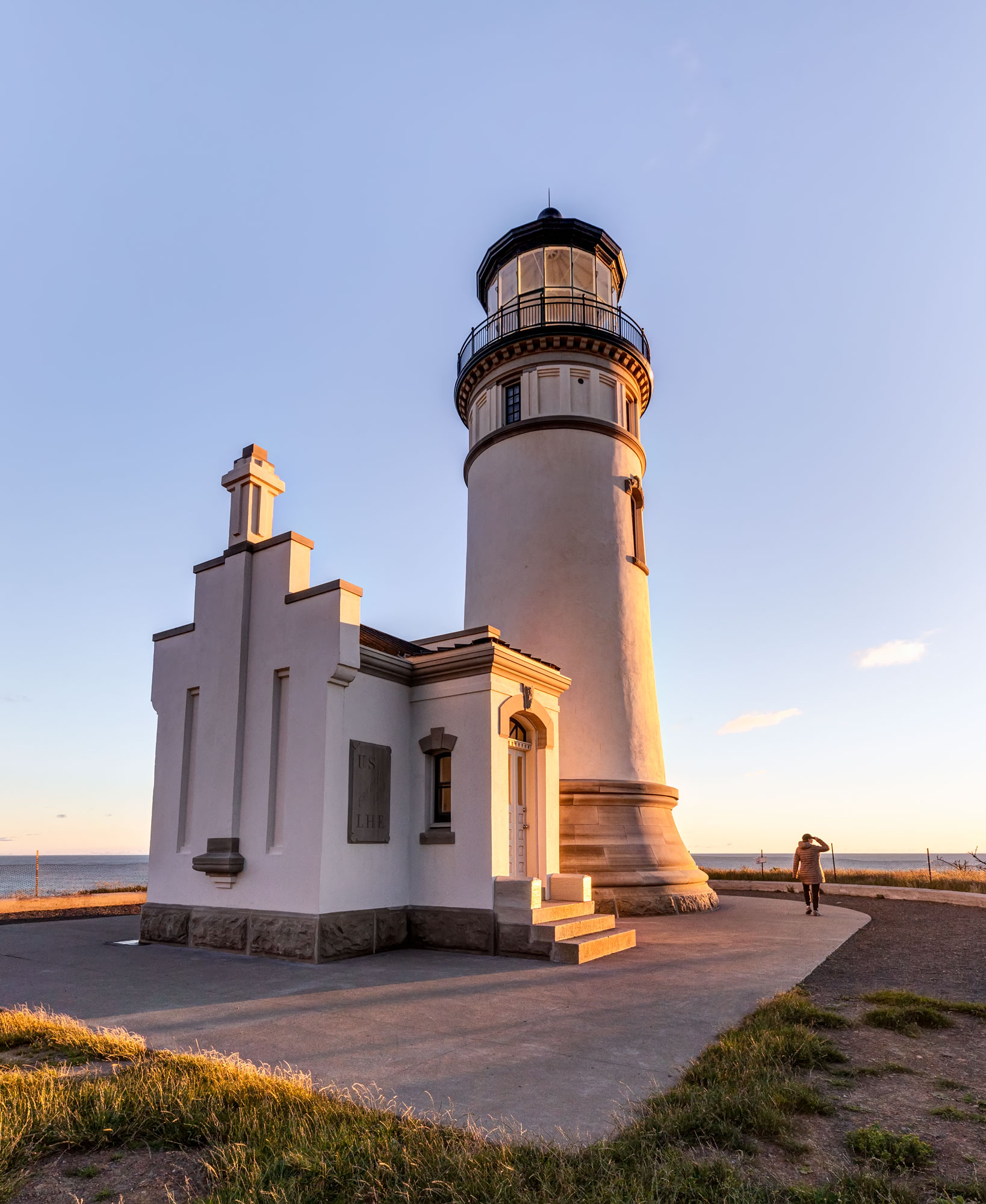
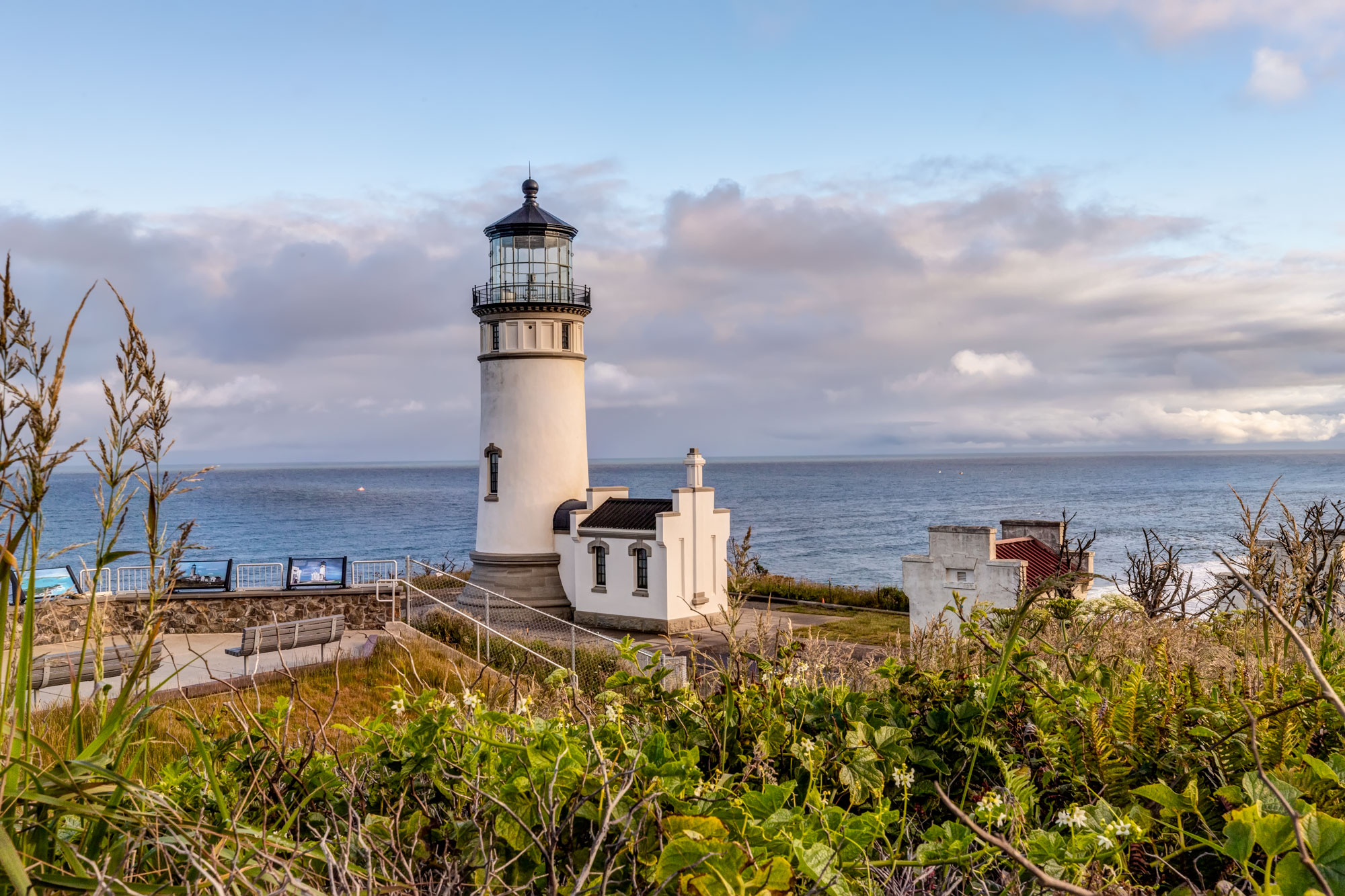
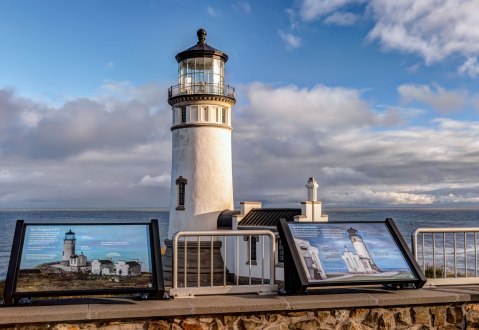
The North Lighthouse is easily accessible and quite beautiful…


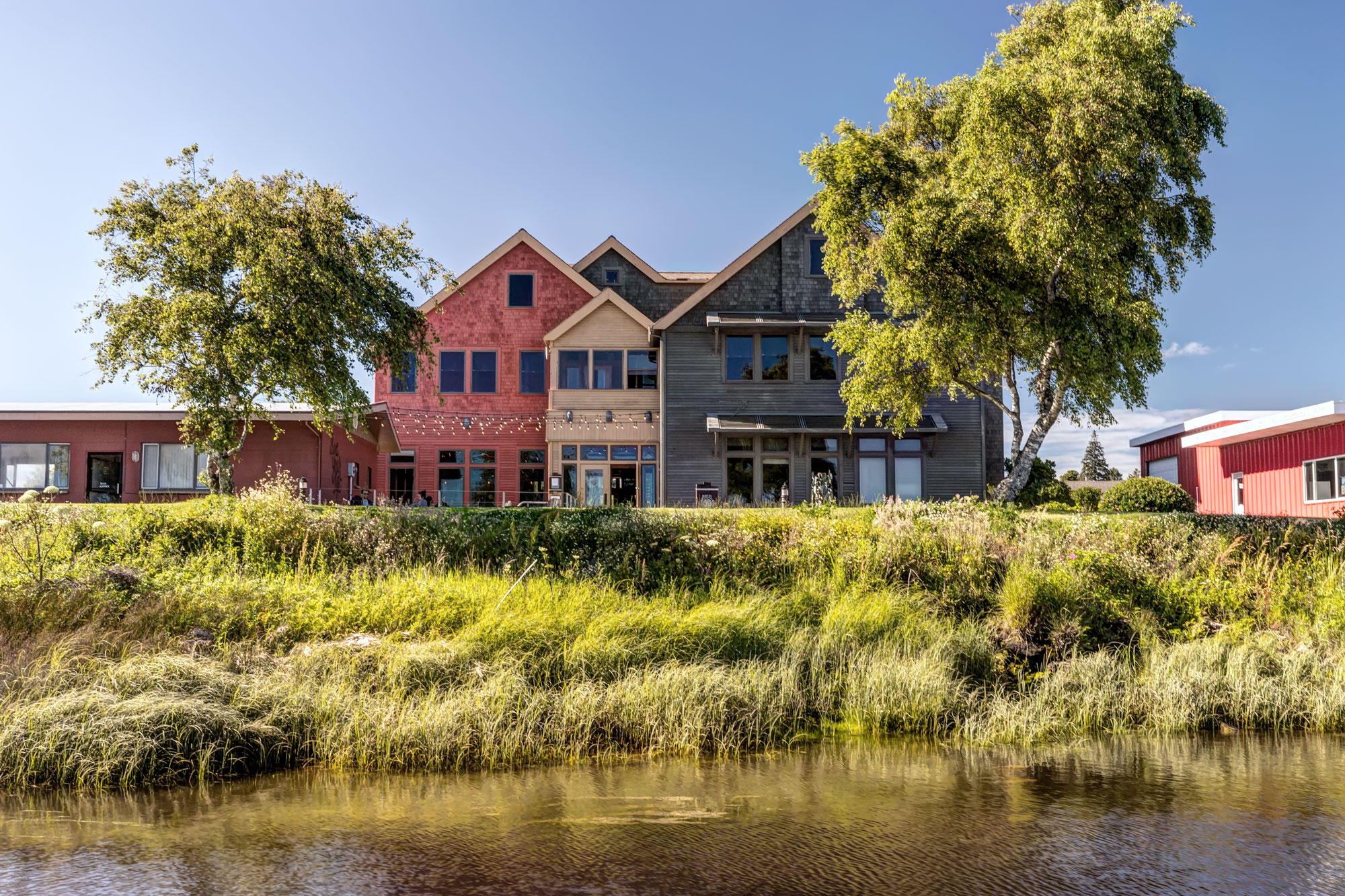
The Port of Ilwaco is the nearest town, with a nice marina and a few hotels.

The Palouse

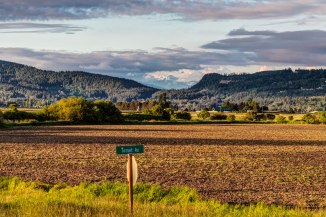
The Palouse is a section of SE Washington state where they grow a lot of wheat. The terrain is smooth rolling hills and almost all of it is covered with endless green.

The Palouse is the most popular spot in Washington for Photography Tours. There are endless viewpoints and all sorts of photo opportunities over there.

I found a map that shows where all the cool stuff is. Its like a treasure hunt! 

Barns, old farm equipment, abandoned houses and vistas are marked, but its still tricky finding some of the stuff…

Most people drive up atop Steptoe Butte for images, like the one above.

But there are wonderful vistas all over, and exploring is a blast.

The wheat is about a foot tall now, (late May) and will stay green as it grows a while, then late summer it all turns golden brown…

Then I will need to go back for another visit.

Here are a few more pics from 2 days of rambling…


An evenings walk near Conway

There is a boat ramp and you can walk atop the dike, along Dike Road, near Conway.

The South Fork of the Skagit River is nearby.

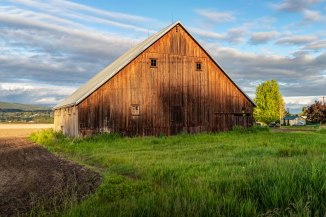
Several of the farms nearby have wonderful old barns…

Here are a few images.

Skagit River Images

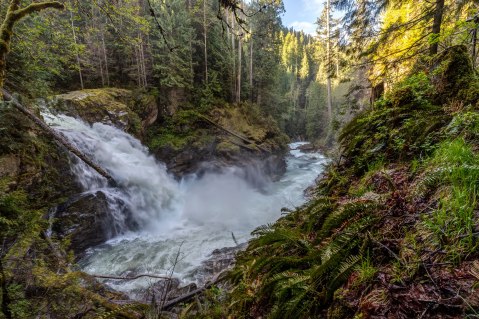
The Skagit River plays a very big role in life here in the valley. Transportation; electricity; salmon; irrigation; and more are centered around the river.

The early days of white settlers along the Skagit River are chronicled here quite well, in the Skagit River Journal.

Traveling along and across the river affords some good opportunities to capture images, from time to time. These are some recent images, some over the last few years of journeys.

Earth Day 2020

Earth Day 2020

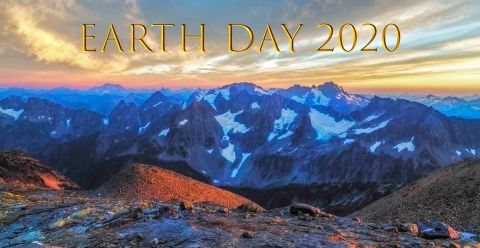
Earth Day evokes images of wild places: broad vistas of desert, ocean and mountains.

The Wilderness Act of 1964 defines wilderness as “an area where the earth and its community of life are untrammelled by man, where man himself is a visitor who does not remain.”[29]

Earth Day is about protecting these places and keeping them wild.

The raw nature of wilderness and its inherent aesthetic beauty often leave me short of breath, amazed at what I see and grateful for the chance to be a part of it.

In the wilderness is freedom. There is no one to tell you what to do. Knowing these untrammled places are there, and that you can go visit them is integral to sanity, to survival.  They say that wilderness can heal a person and I believe it’s true.

Pictures speak words, they say…

Baker Lake and Baker Lake Road

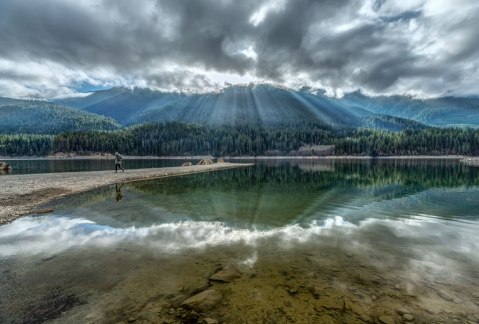
These images were captured on or near Baker Lake Road. Early mornings the light can be so variable, you never know what you’ll get!


Park Butte Lookout

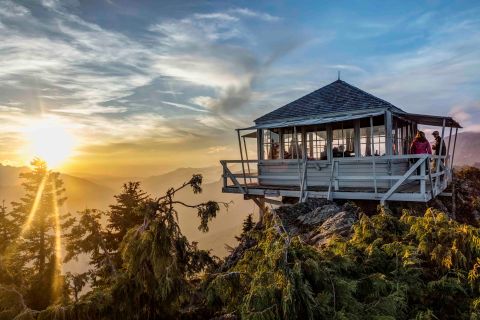
Park Butte Lookout is located on the south side of Mount Baker. Access is via Baker Lake Road. Here is the link with details. The hike in is about 3.5 miles. It usually opens in July, depends upon snow melt. You can spend the night in the Lookout, its a first come first serve sort of thing…if you plan to stay the night, be certain to bring a tent because it most likely be full!

I’ve spent 14 nights in or near the lookout, with other people and several times alone. It always magical, even in a storm.

Here are a few images from recent trips.

Over the years I have managed a few decent shots of the night sky from the lookout.

Views of Mount Baker and the Sisters are beyond spectacular for both sunrise and sunset.

Point of the Arches and Shi Shi Beach, Olympic National Park

Olympic National Park includes long stretches of coastline. Its wonderfully refreshing to backpack and camp along the forests edge, on the beach.

Depending upon how far you hike from the car you can find some real solitude out there.

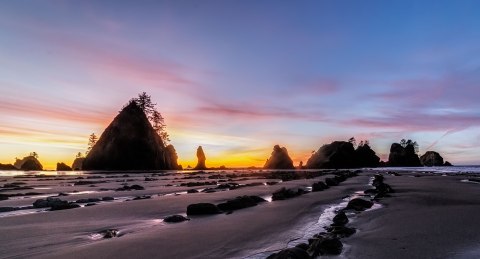
The spot I’ve visited most often is Point of the Arches. It lies along the northern-most section of ONP, just south of Neah Bay. Its now a very popular spot and sees many visitors. These images are from a trip 2 years ago, in January. A window of warm sunny weather was forecast, and I spent two glorious days there with sumptuous light.  On this particular sunset the colors were so bright and vivid and the orange glow from the rocks and sand so intense, it was more tricky than one would think to edit these and do the place justice.

North End of Shi Shi Beach, Olympic National Park

Its almost a 2-mile hike through the forest and mud until you get to the stairs and descend to the beach. Point of the Arches is another 2 miles walk, along the ocean.

Once the sun started to set the shadows and lines were amazing.

As the colors got richer it was impossible to capture enough images.

Every shot looked magnificent, better then the last, and the landscape is so utterly magical…

There you have it! Prints are available here. Info on Photography Tours here!

Skagit Valley Tulips and Daffodils

Skagit Valley Tulips and Daffodils

Spring, thankfully, brings the colors back.

The winter creates a grayish monochrome of everything that is interesting for about a week.

When the colors come back, things are better. The snow just melted yesterday and we’ll probably see more before the end of the winter.

So I shouldn’t get myself all excited just yet, but I can sense the subtle stirrings of green.

In February the hints of green will become more pronounced and then, finally, the yellows will arrive with Skagit Valley Daffodils.

Depending upon the year the daffodils start coming up in late February or early March. Skagit Valley has a rather mild climate, rarely getting snow. Early spring brings almost daily rain. The daffodils emerge slowly, reluctantly.

Once the temp starts rising a bit, tulips start to pop up. The anticipation of the coming color explosion is tantalizing!

Every year the tulips and daffodils are planted in different fields.

You can see their location and bloom status with the Bloom Map.

I usually visit the tulip fields 10 times each season, sunrise is my favorite, because of the light and lack of people. Workers are in the fields then, harvesting and at the end, topping the tulips. I offer guided Photo Tours of Tulip Festival each year, at sunrise and sunset, details and prices can be found here.

Because the fields rotate every year, so do the backdrops, and foregrounds!

Barns, school busses, tractors, irrigation ditches, and puddles all serve well for offsetting the beauty of the flowers.

I teach basic Photography Classes through Parks and Rec in Burlington. Here is the link for more info.
Starting in Jan 2020 I will also be teaching basic Photography Classes through Parks and Rec in Bellingham.

Sometimes a visit can bring good luck in the form of rainbows, long shadows, dirty kids and much more.

Need a 2020 Calendar? There are still copies available of the Night Sky Images of Washington State Calendar! Click here to order your copy.